
Deep with a Camera: A Profile of Photographer Brian McDonnell

Shipyard worker, Maker Series, by Brian McDonnell
This review is part of our “Artist on Artist” series.
David Slader is a working artist living in Portland, Oregon.
By David Slader
“The goal is not to capture everything. It is to recognize the moment that carries weight.” - Brian McDonnell
The two-story Gardeners & Ranchers Building sits inconspicuously at the foot of the Hawthorn Bridge, its name hinting strongly of its original purpose. This sprawling labyrinth has been skillfully repurposed for every imaginable use: art and photo studios, custom furniture manufacturing, tarot readings, fine cabinetry, and various mysterious enterprises I have yet to discover.
My painting studio is in the building’s Apple & Pear wing. At the far end of our shared hall is Brian McDonnell’s The Open Lens photography studio. On a quiet Sunday in February, McDonnell walked through my open door (escorted by my dog) and said he wanted to take shots of me working.
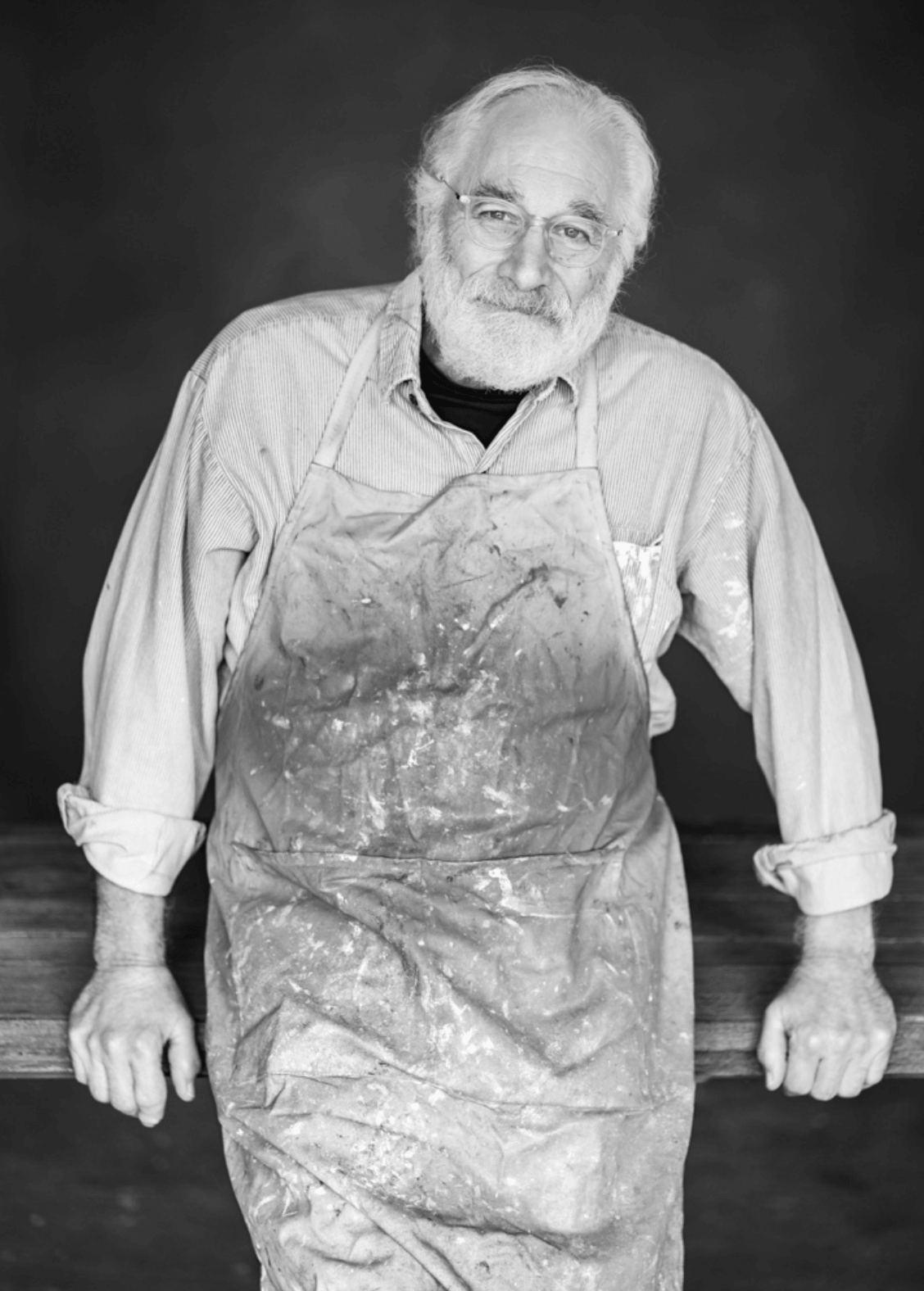
David Slader in his studio by Brian McDonnell
The camera started clicking . . . and we talked. About why I paint, about what he sees through the lens, about craft and the task of creating, and about the mysterious magic and challenge of the photo portrait . . . and about our lives, our goals and our history. McDonnell’s camera was an excuse, a prop, to engage and discover each other. A camera records the surface, but a portrait photographer needs to delve deep, to find soul. This is what McDonnell came up with.
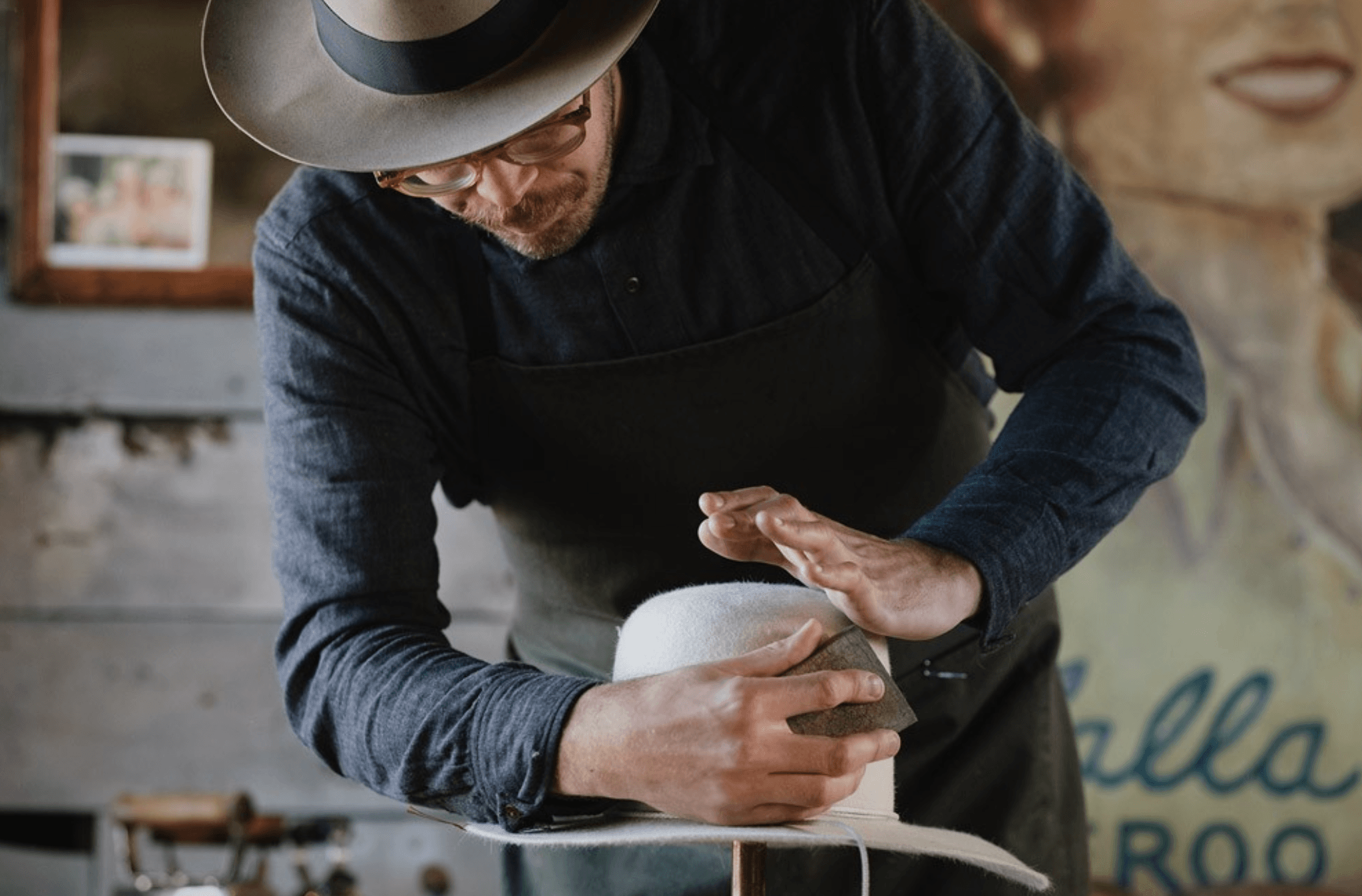
Hat Maker, Maker Series, by Brian McDonnell
For McDonnell, knowing into another comes from first knowing into himself. Henri Cartier-Bresson called it “looking for the silence in somebody.” It is his way, McDonnell told me, “to hold on to the self we are becoming.” For many artists, creating is how we cope with the world, how we survive griefs and losses and keep faith with yet unfulfilled hopes. It is a railing to hold onto as life spins. So it is for McDonnell. And so it is with many of his favorite subjects, as in this portrait of a hatmaker absorbed by his craft.
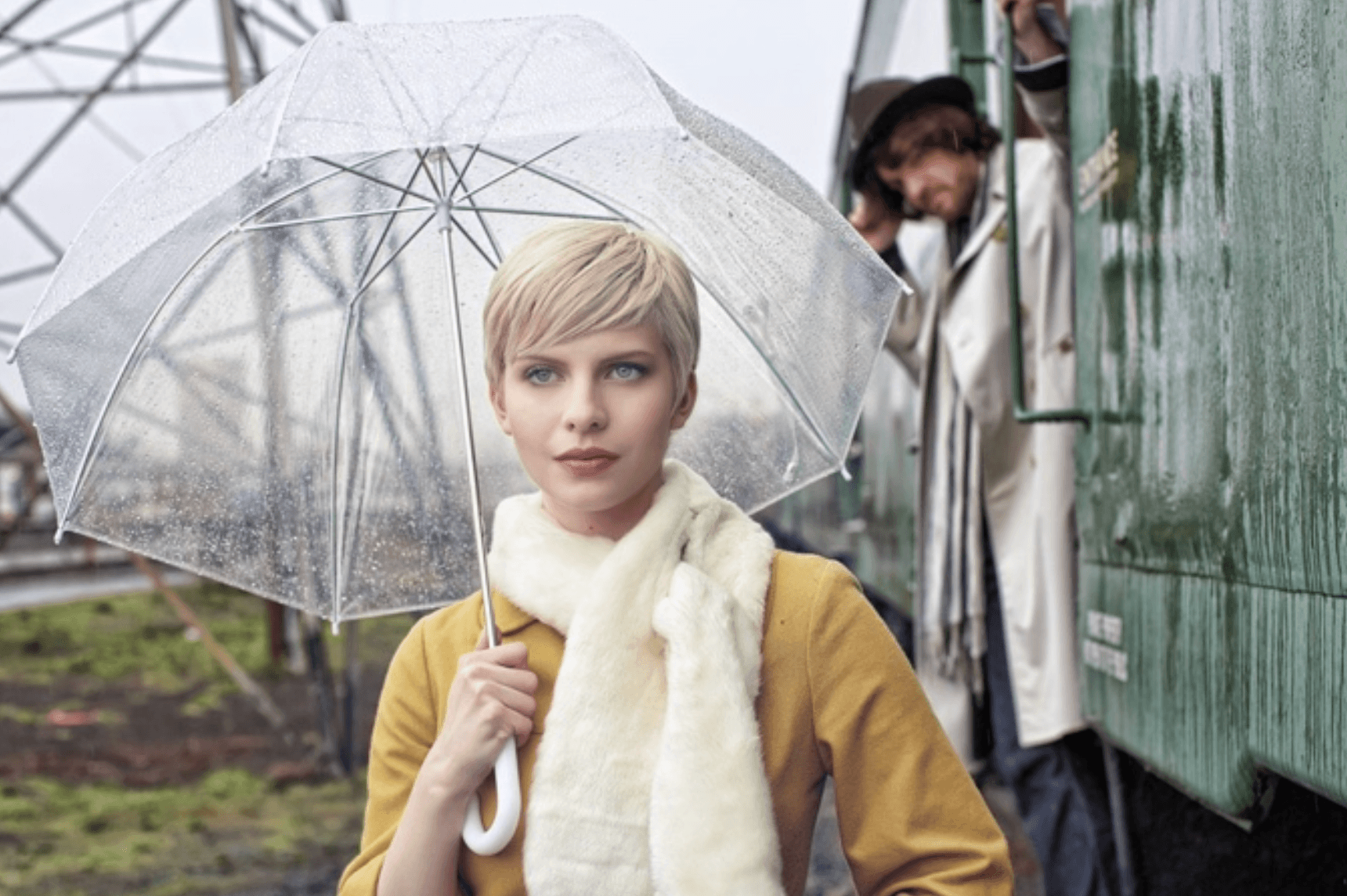
Model by Brian McDonnell
McDonnell has little interest in glamour shots, but when he does it, he can’t help but read the subject’s energy. There is the beauty and the gloss—and more than a hint of heat. But this model is not just posing, she is focused and engaged. She has purpose.
Despite this compelling shot, glitz and high style are not what McDonnell's lens is drawn to—and, clearly, not what he had in mind when he walked through my door. McDonnell described his goals that afternoon:
No agenda. Just two people sharing their craft. There’s something different that happens in these conversations. The stakes are low. The presence is high. You can feel a lifetime in the room. The unhurried conversation. The presence. The craft of it all. Not because of marketing. Not because of content. Because time is real. Presence is fleeting. And photographs become anchors.
I had no opportunity to comb my hair, let alone straighten my tie. Instead, we just talked and revealed and relaxed. Mutually. All the while, McDonnell peered through a glass lens into my life. A relationship developed. I had to see him, trust him, before I could let him see me. And he had to see me work to know me.
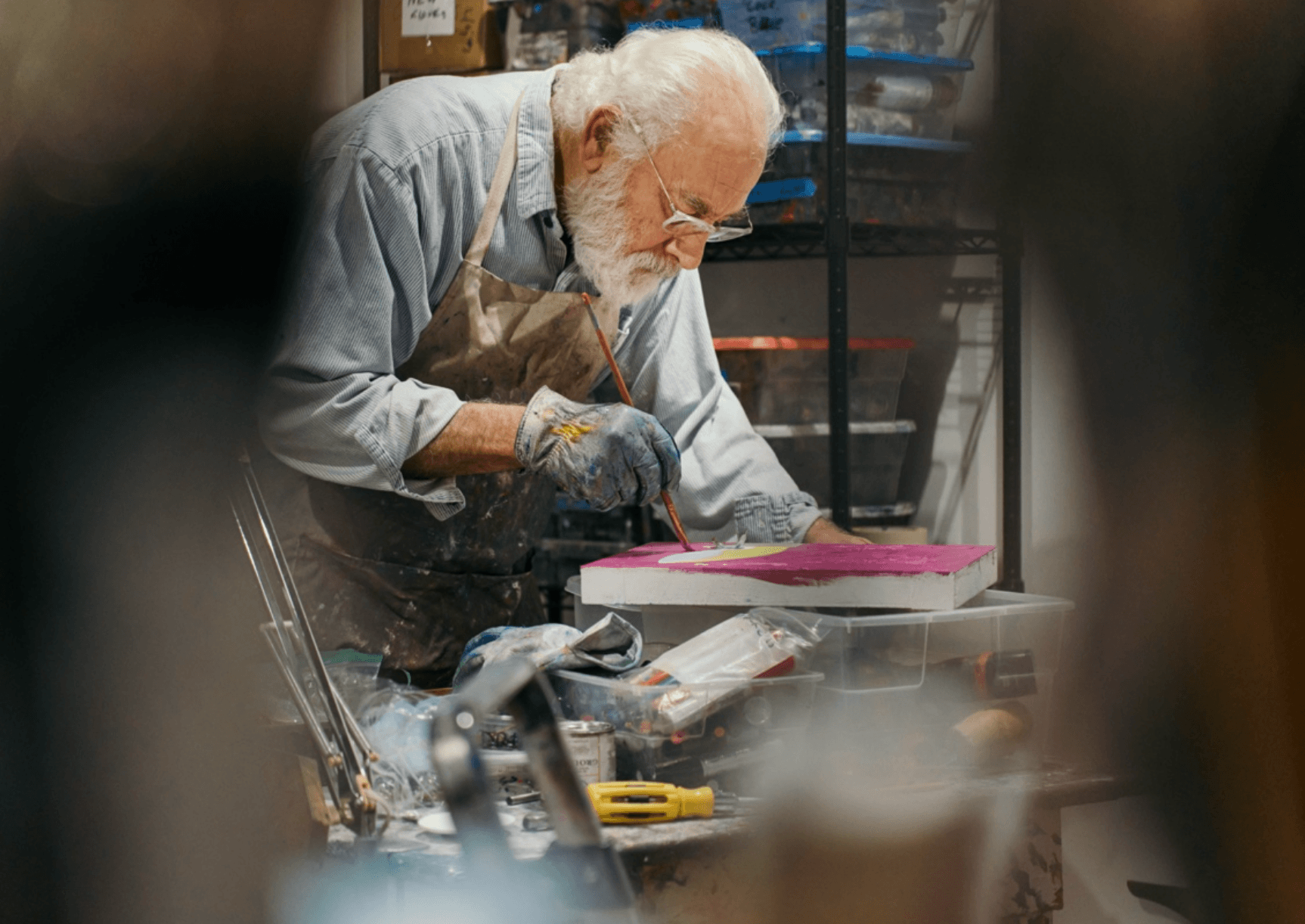
David Slader in his studio by Brian McDonnell
In his The Heart of Craft project, McDonnell describes how his creative process comes through the creativity of his subjects. He wrote: “Craft shapes more than objects. It shapes the one who practices it …These moments do not announce themselves. They surface when things slow down, when there is room for something genuine to emerge. In my hands, I see knowledge made physical, skill refined through dedication.”
There is no one formula for a successful photo portrait. To my eye, the most powerful image ever captured on film is Yousuf Karsh’s The Roaring Lion. It was December 1941, France had fallen six months earlier, Britain had been standing alone, and Pearl Harbor had just dragged the United States into the war. Churchill had come to Washington to address a joint session of Congress. He then headed north, delivering his rousing "Some Chicken; Some Neck" speech to Canada’s Parliament.
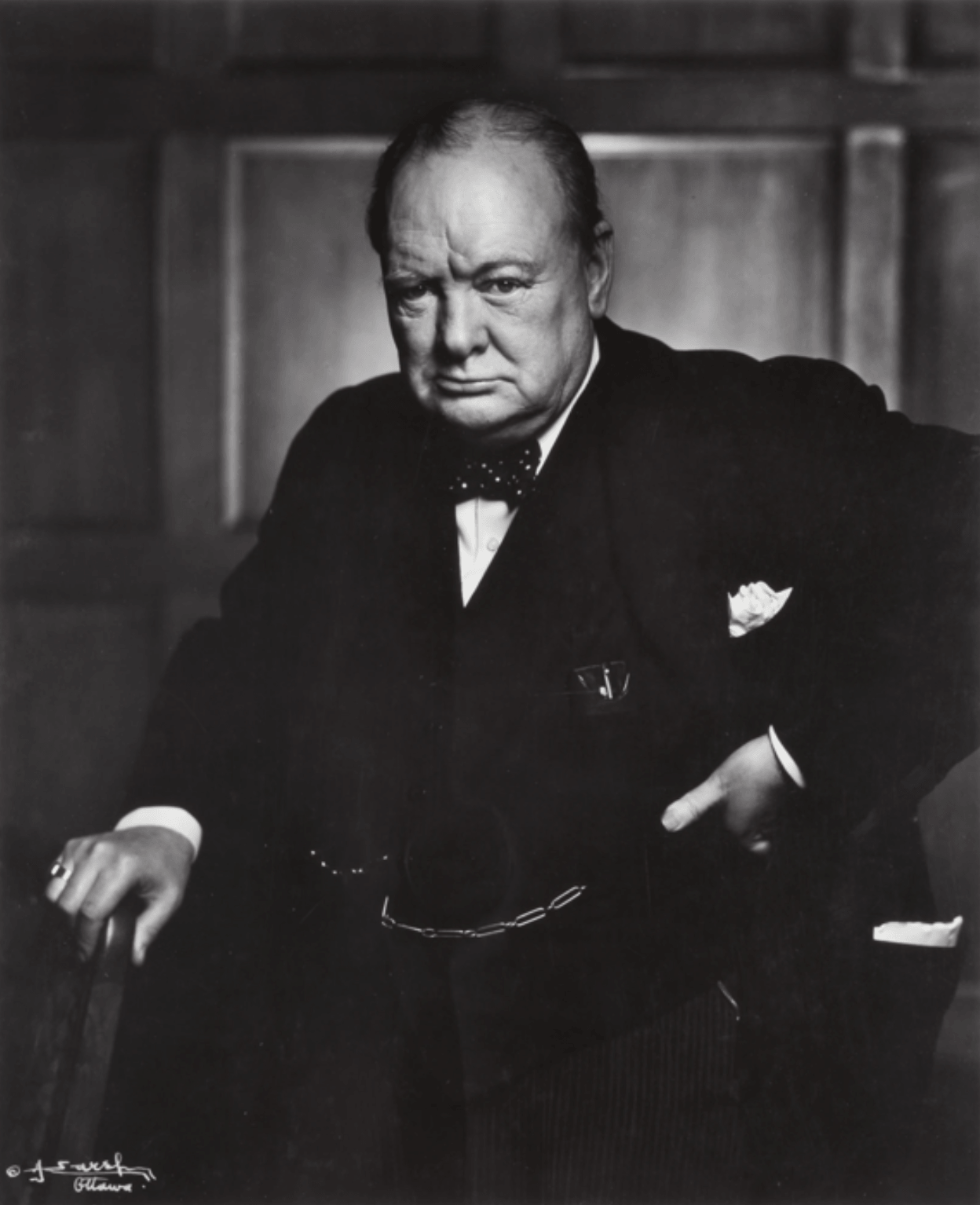
Winston Churchill by Yousuf Karsh
Churchill had agreed to be photographed after the speech, but he had other pressing business. The session was being cut short, and Karsh wasn’t satisfied. So, he stepped toward Churchill . . . and said, “‘Forgive me, sir,’ and plucked the cigar out of his mouth.” And then clicked the shutter—and captured a defiance that stirred a continent to action. Talk about seeing the “silence in somebody.”
But there is more than one way. Annie Leibovitz downplayed going deep. “Sometimes I enjoy just photographing the surface because I think it can be as revealing as going to the heart of the matter.” I suspect her skill at penetrating to a subject’s soul is so adept that even she doesn’t know when she is doing it. How else to get this image of Meryl Streep (1981).
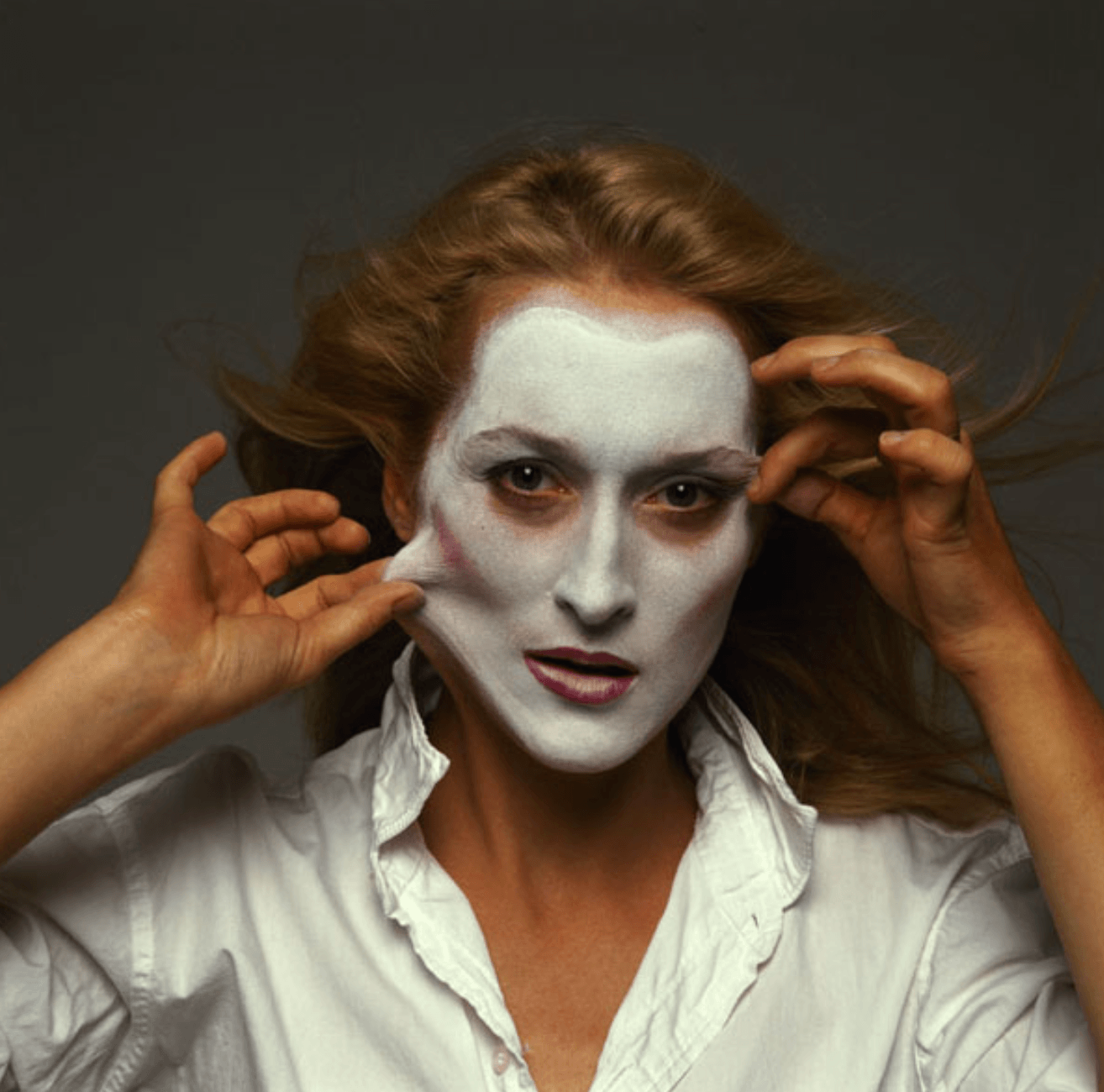
Meryl Streep by Annie Leibovitz
What Karsh, Leibovitz and McDonnell set out to do with their camera is what this journalist is now attempting to do with his pen. McDonnell calls it “Illuminating the person behind the craft.” To describe the magic of McDonnell’s creations, I had to inquire and listen. How, I wanted to know, does a storyteller with a camera find and share the soul he sees in the viewfinder? And so, a week after my surprise photo session, we picked up where we left off.
I asked McDonnell about the hatmaker image (above) in his The Heart of Craft series. He is drawn, he said, to “makers” for they tend to be lost in the moment—which, I was about to learn, is how McDonnell experiences his world. The photographer’s job is to watch and to wait. McDonnell describes his approach this way: “When you’re at ease and fully connected to the moment, that’s when something extraordinary happens in front of the camera.” The photographer Steve McCurry put it in similar words: "If you wait, people will forget your camera and the soul will drift up into view" — as in this image McDonnell made of a blacksmith at work.
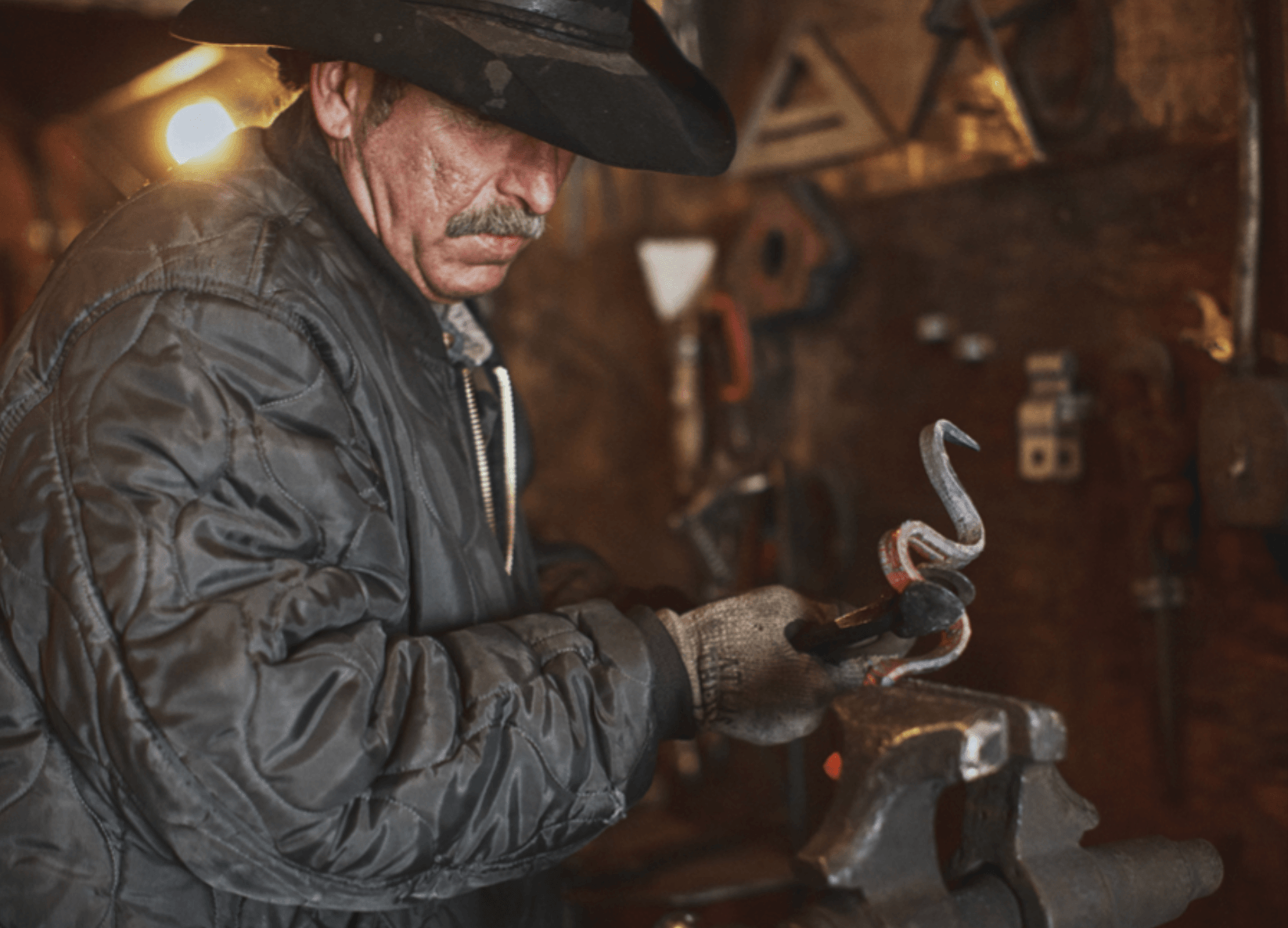
Blacksmith, Maker Series, by Brian McDonnell
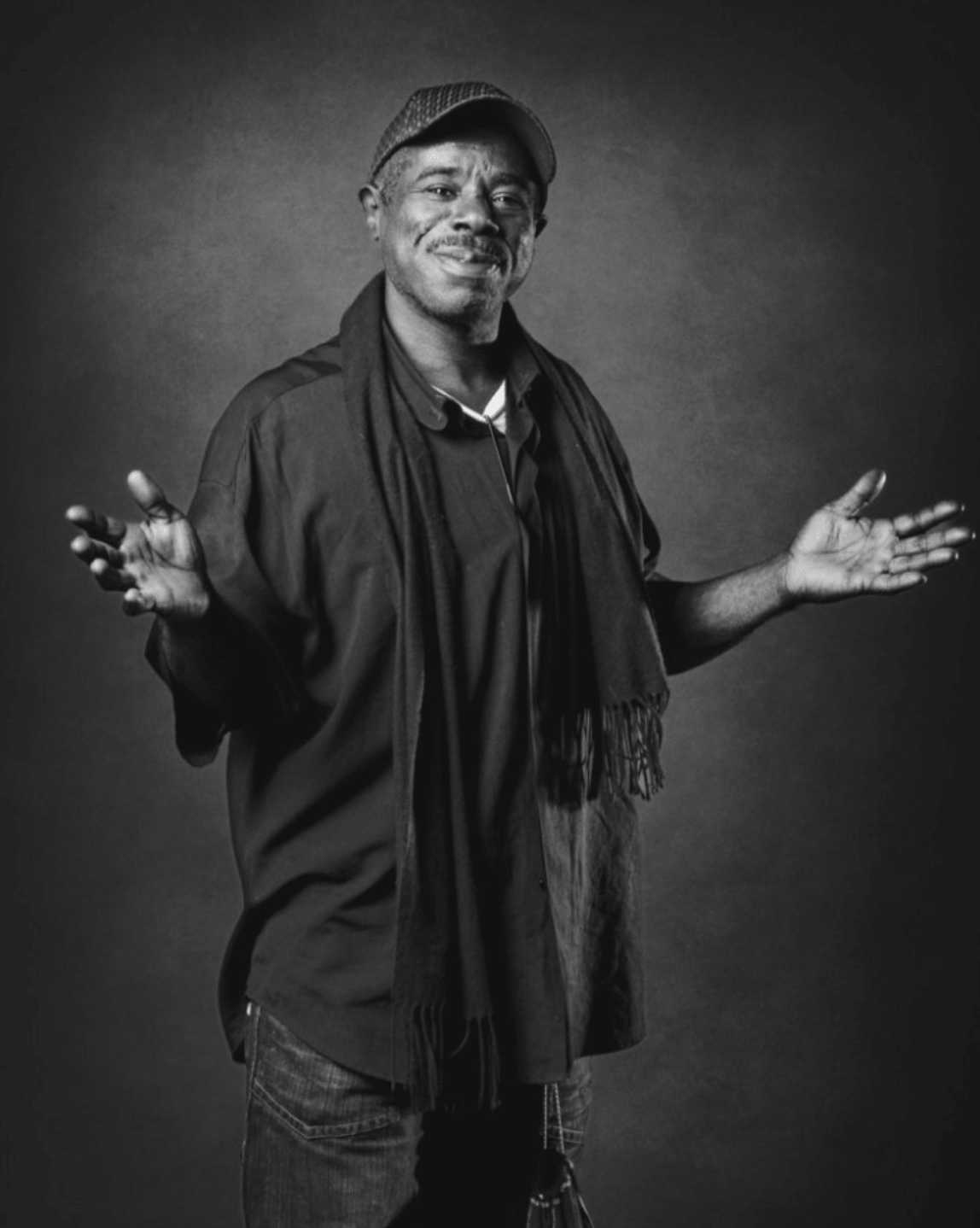
Proud Man by Brian McDonnell
McDonnell is a storyteller. He is increasingly drawn to subjects with years behind them and a lifetime of stories. But we all want to be seen and heard, and McDonnell’s camera can shine a light on any one of us looking forward, looking back, or coping with invisibility. In this image, he was drawn to a moment of pride in a homeless man’s eyes.
Some subjects are comfortable in front of a camera, but the best shots are often of those who are not. The shipyard crews captured by McDonnell’s lens had no interest in posing and no time to bother. Some managed a smile, but to my eye the strongest images of that series show a subject’s reluctance, as if they are saying, “OK, take your shot and let me get back to work.”
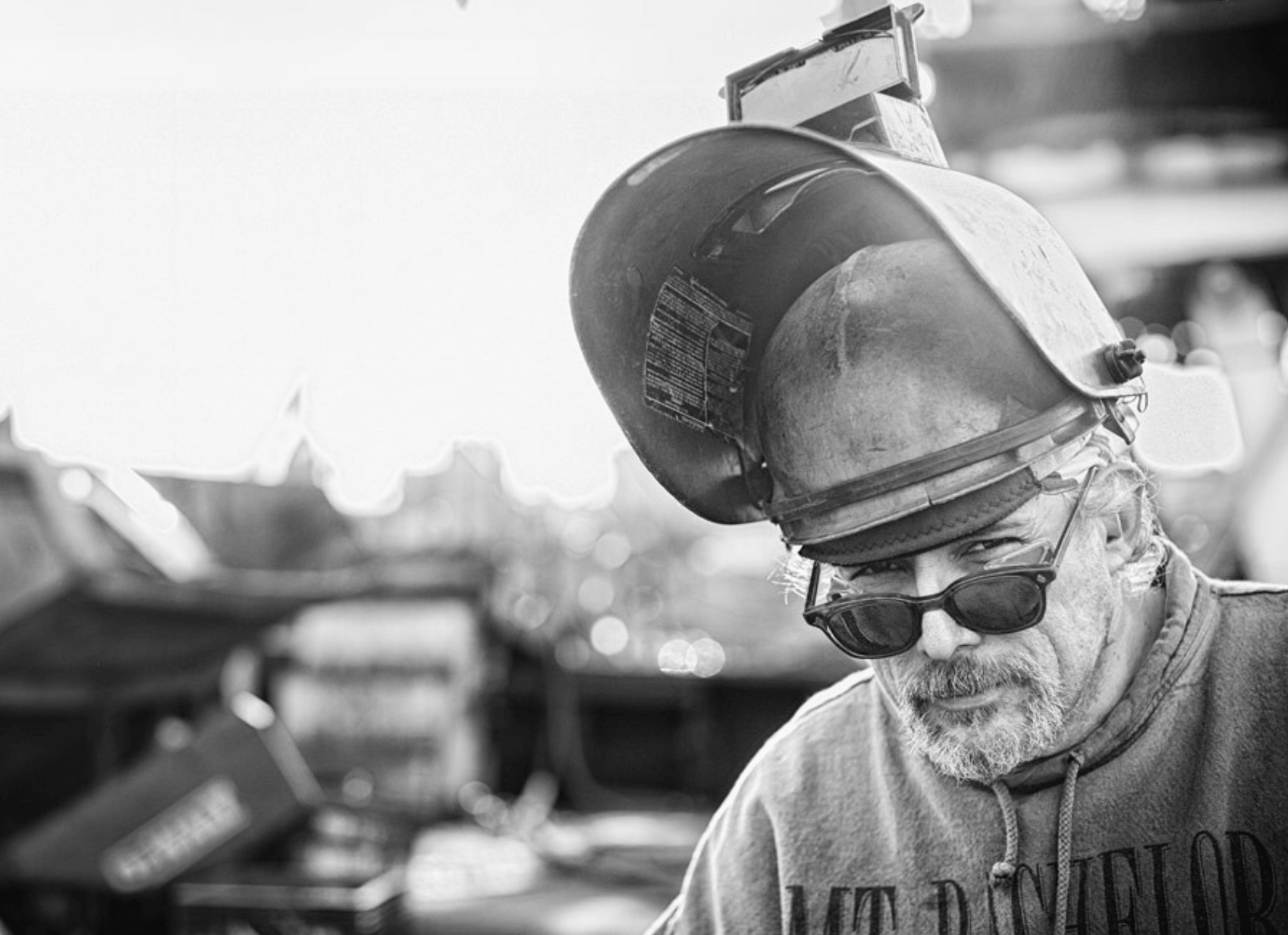
Shipyard worker, Maker Series, by Brian McDonnell
As McDonnell and I talked, he began to reveal his story, much as I had to him a week earlier. Most of us see the present through the eyes of the past, and every new experience has a subtext of history, usually so quiet and subtle that we are unaware. McDonnell has an unusual power to concentrate on what is immediately before him. Observation is his strength, memory is not. “This work is necessary for me,” he has written. “It is a way to understand connection through how others relate to their craft. It helps me hold the truths my memory cannot keep ...”
Much of the depth that McDonnell captures in his images comes, I suspect, from this undistracted focus on the present. Like the hatmaker and the blacksmith, he tends to be “lost in the moment,” observing and experiencing without the overtones and baggage of memory. This is how he puts it:
“My heart is present even when memory is not. I live without the archive most people carry. Fragments without feelings. Facts without the emotion that makes them whole.”
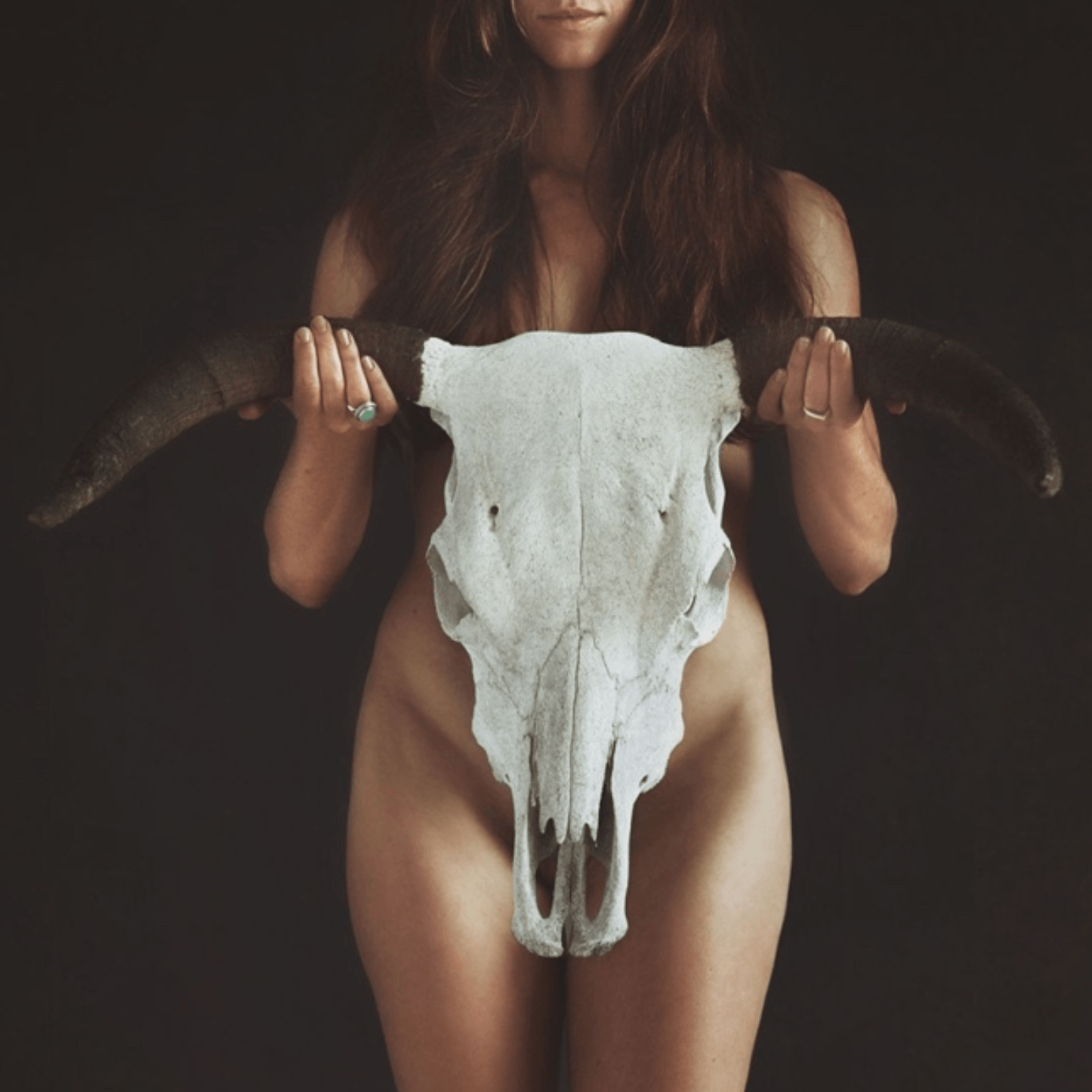
Alexandra Becker Black by Brian McDonnell
Free of associations, McDonnell can see the truth behind the curtain. And, with his camera as a social shield, he can also intrude without being intrusive and create portraits of exceptional intimacy as in this one of the artist Alexandra Becker Black.
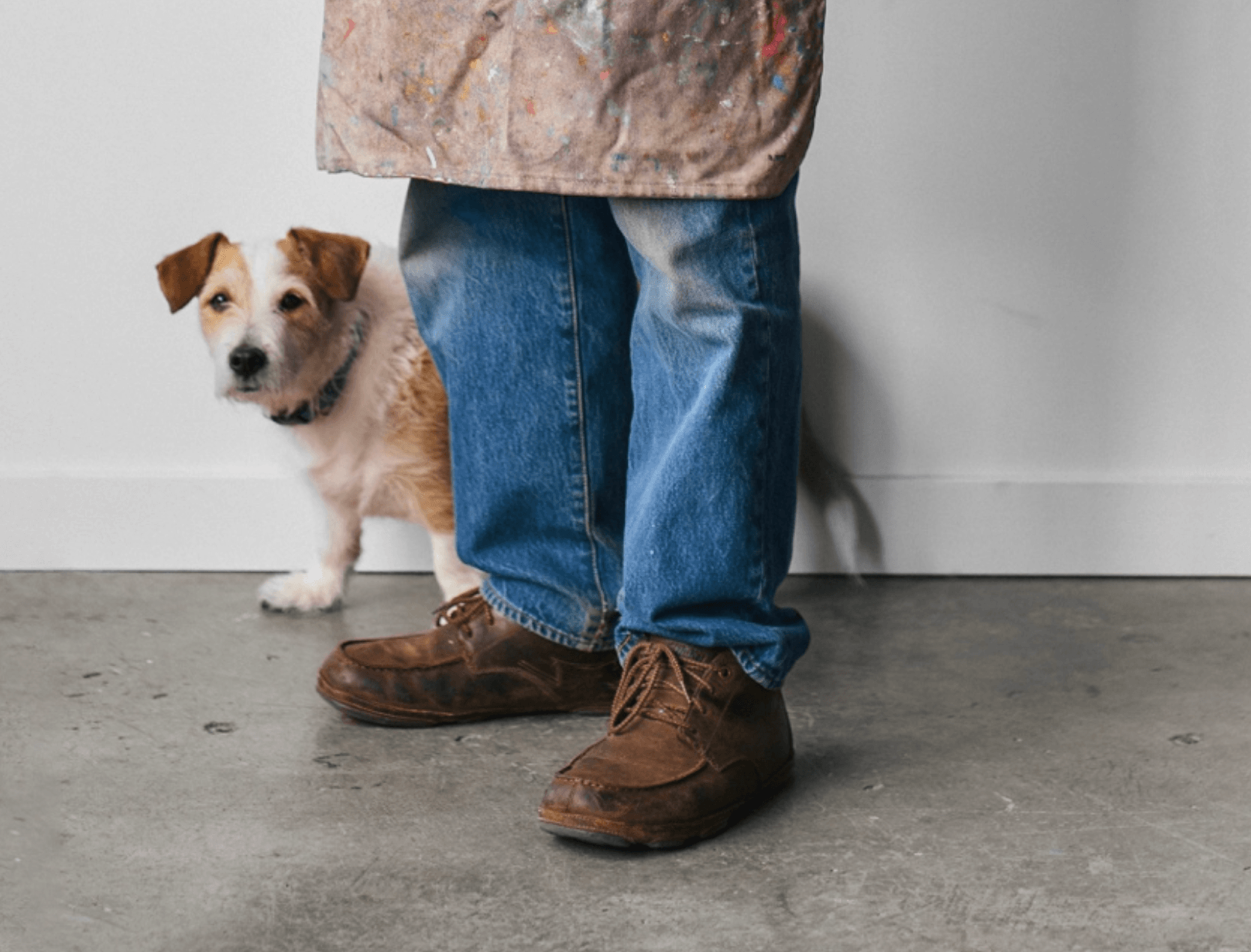
Oscar Keeping Watch, by Brian McDonnell
McDonnell reads the energy in the person before him with a clarity that might unnerve most of us—creating less a portrait than a visual poem. It also allows him to notice unplanned moments like this view of my shoes and my dog, Oscar.
Brian McDonnell might struggle to hold onto past experiences, but that frees his artistic eye and his camera to record the present with an uncanny focus. His lens will find you... and who you are.
