

Graciela Iturbide, A Mirror of the Self / A Mirror of the World, SFMOMA
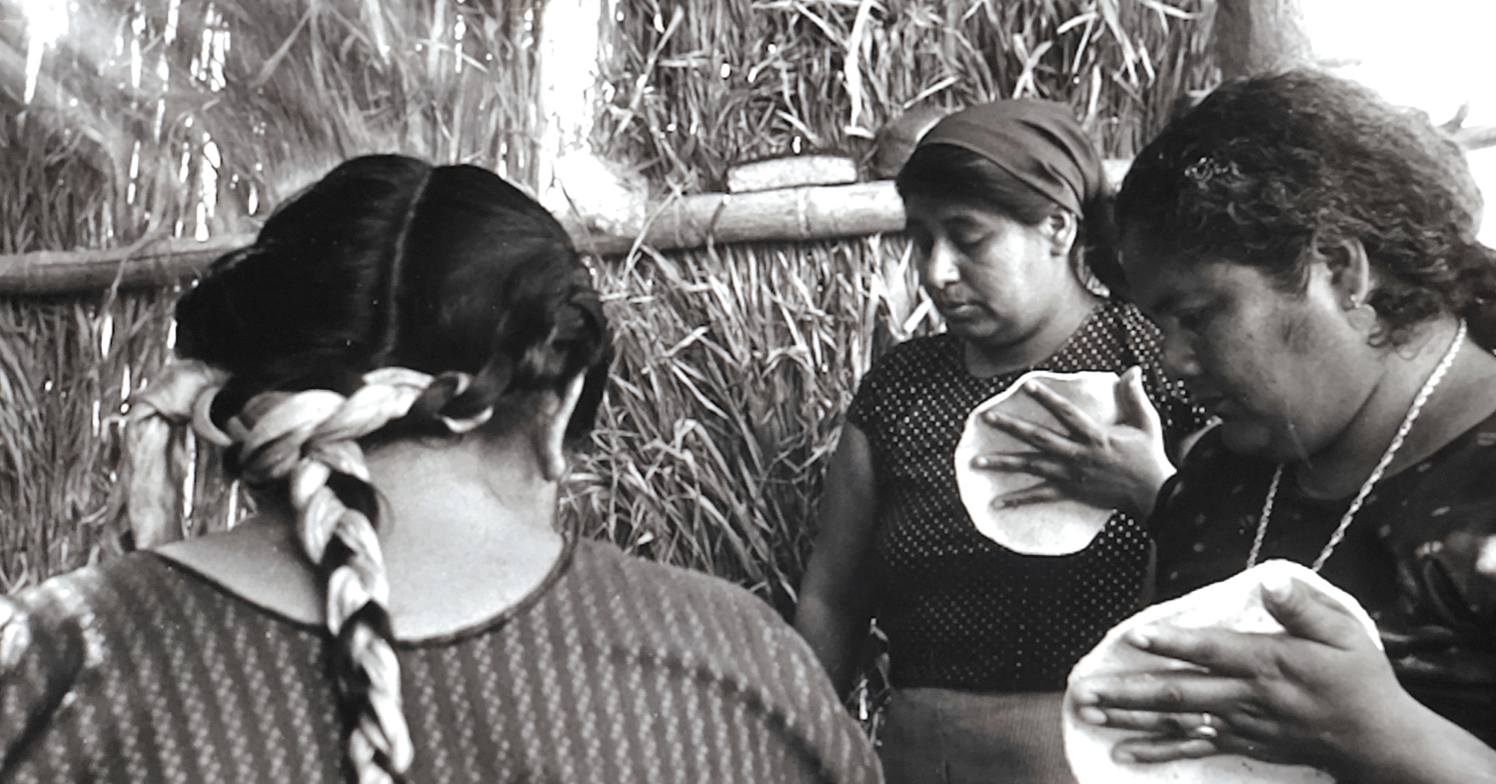
Untitled, Juchitán, Oaxaca, 1984 (Detail)
By Jan Wurm
The impulse to make art may begin with a marking of an experience; it may begin as an effort to make visible emotion, growth, or change. A manifestation of oneself in relation to family, love, loss, birth and death – art can mirror the surface to reveal internal shifting tides. At times, the reach moves beyond – outward to reflect the social, the cultural, the political, indeed even the geography and nature of the world. Graciela Iturbide holds her camera to mirror her vision in a continuum streaming from the self to the world.
A personal lens through which the world is viewed is molded, ground, polished, and adjusted with an angled tilt to focus with a precision that renders a perspective unique to the individual. Long before teachings, mentoring, and collegial persuasions, deeply rooted influences form a foundation of sympathies and empathy, qualities and equivalances.
Fundamental to decades of photographic work, the graphic renderings of Graciela Iturbide rest upon commitment to cultures, relationships and, in particular, the inner strengths of women. The eldest of thirteen children within a Catholic family in Mexico City, early exposure to ritual and iconography can be seen to provide an architecture for her development as a photographer of indigenous cultures, religious practices, and nuanced identity. It proved an attitude and framework that could shape travel and an understanding whether working in the Sonora Desert, East Los Angeles or India.
Iturbide, though dancing on the cusp of anthropology in her black and white depictions of indigenous people, becomes immersed in the lives and livelihoods of women who are central to their families, their homes, and their businesses in the marketplace. With time, a willingness to await trust and revelation, the photographer and her camera gain access through shared identity of womanhood, motherhood, and eventually, aging.
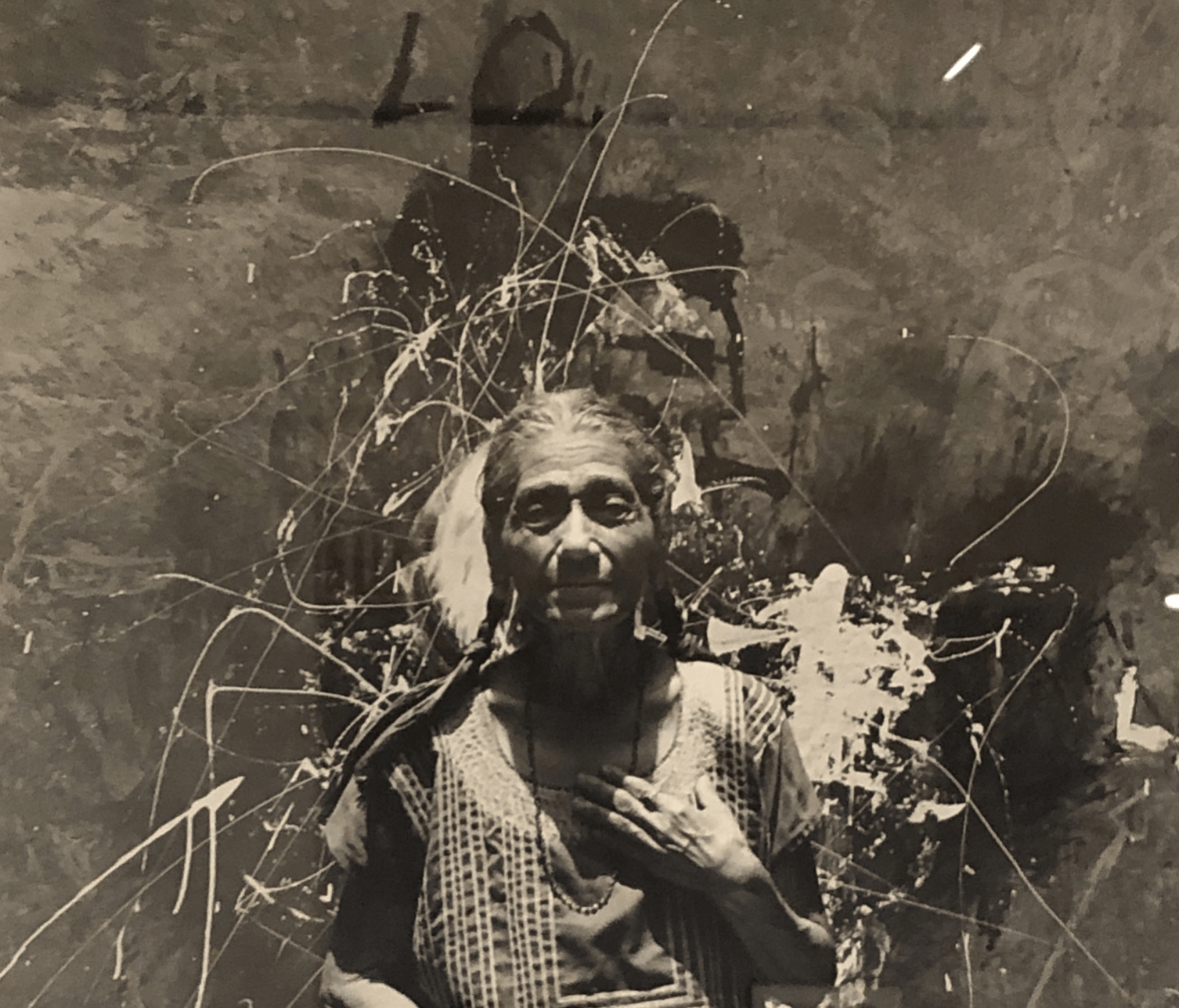
Lupe Pan, Jucitán 1986 (Detail)
Death and the loss of a child is a tragedy that is nearly unsurmountable. For Graciela Iturbide, the death of her young daughter was a devastation with which she grappled in the streets following funerals, in her vibrant dreams, and in the darkroom processing imagery. Her self-portraits search for a visual language for her anguish. Snakes, snails, and birds –the desperation to make visible the inner torment rises to the surface in a serial search.
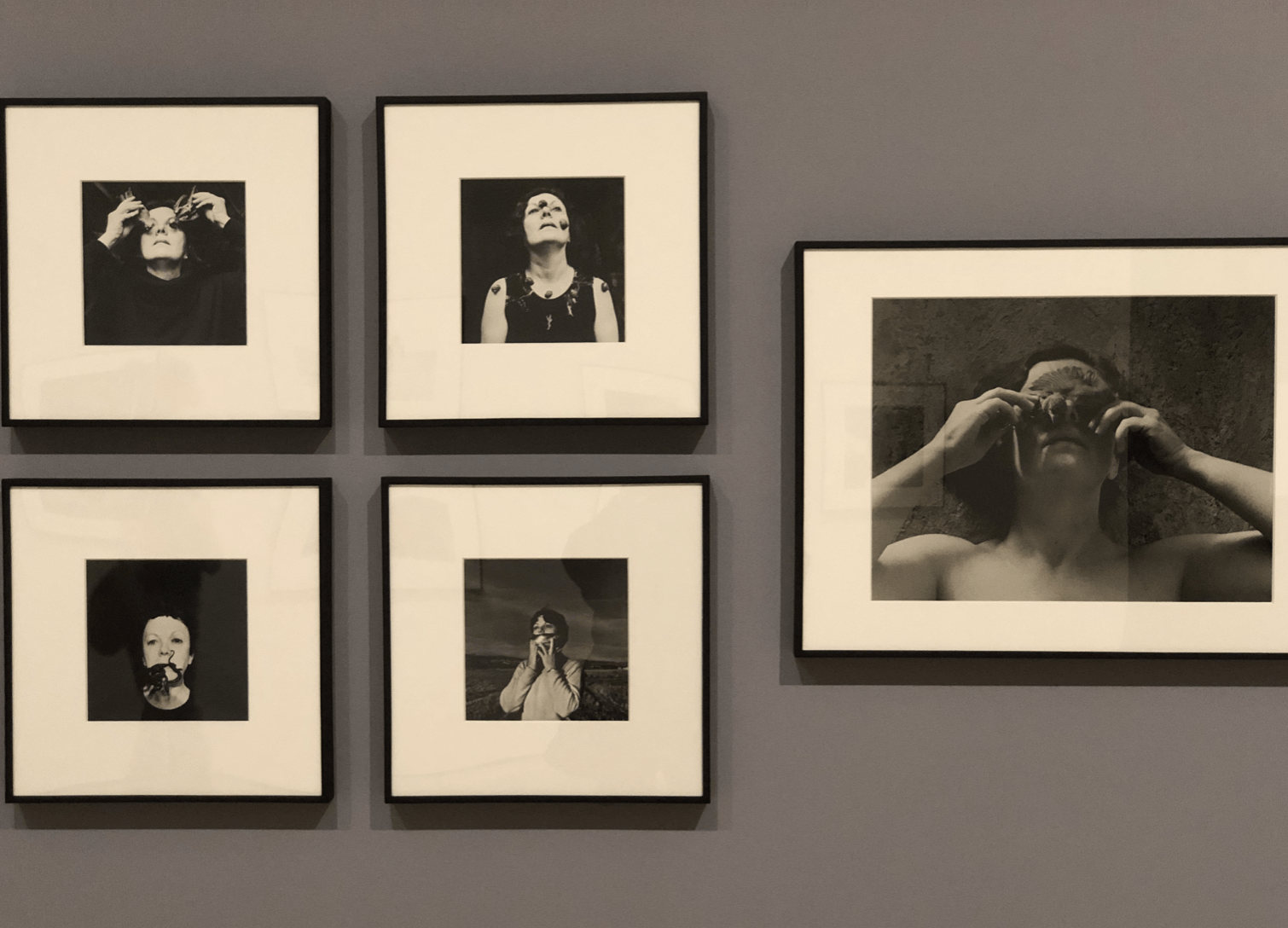
Installation view of Self Portraits, Clockwise from upper left: 1991, 1993, 1996, 2008.
Far Right: 1989
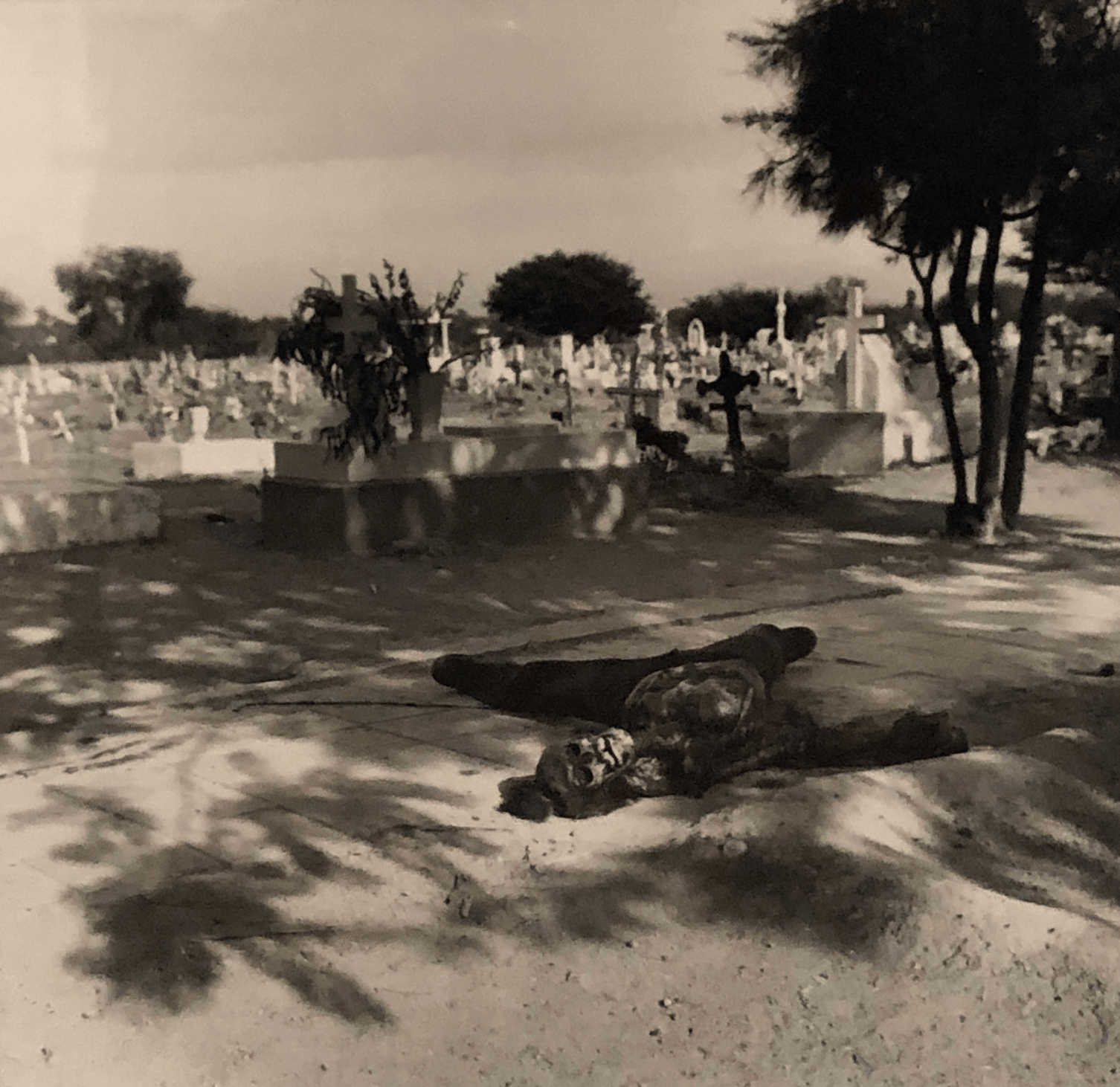
Cementario de Delores Hidalgo, Guanajuato, México (Dolores Hidalgo Cemetery, Guanajuato, Mexico) 1978
Even in the daily, in the uneventful and the routine, Iturbide frames patterns in brickwork, in fish stalls, in animal carcasses. Images vibrate in light and dark rhythms. Patterns are then broken by the striding leg aligned with the lines of the pavement or the outstretched arm against the array of fish – the pattern is arrested, the movement takes a beat.
The amassing of forms, the spiraling aggregation beyond count, can carry the burden of weight, or a promise of plenty, or the sheer beauty of the immense. The photographer gives us an edge-to-edge blanketed sky of birds in flight. As a seamless covering, the birds fill the sky to create an experience of sky no longer infinite but with dimension and measure of space.
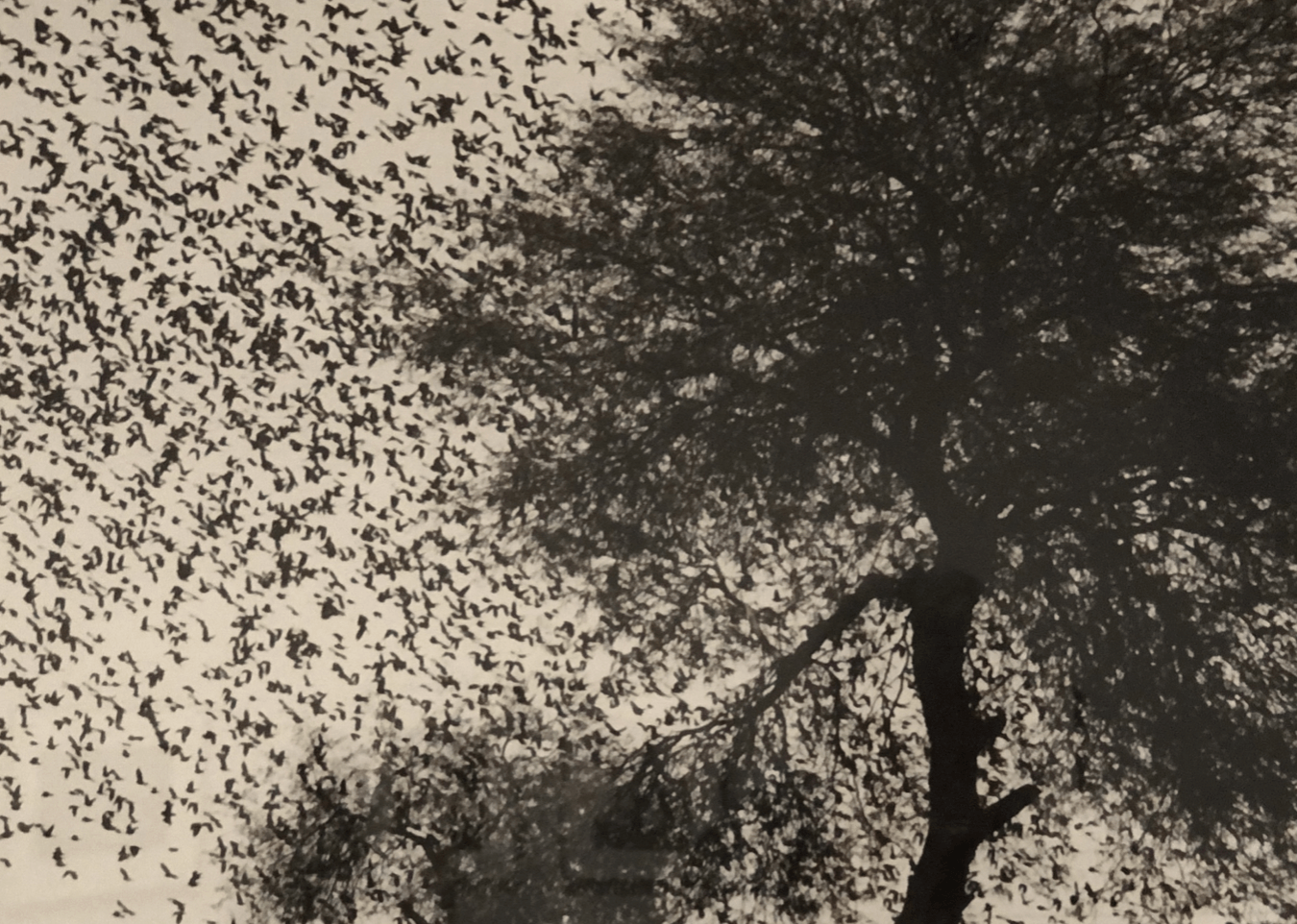
México 1990
There is an ease the photographer has with her subject, whether lush garden or harsh conditions of desert, whether women in their village or gang members posing their shadows for the camera.
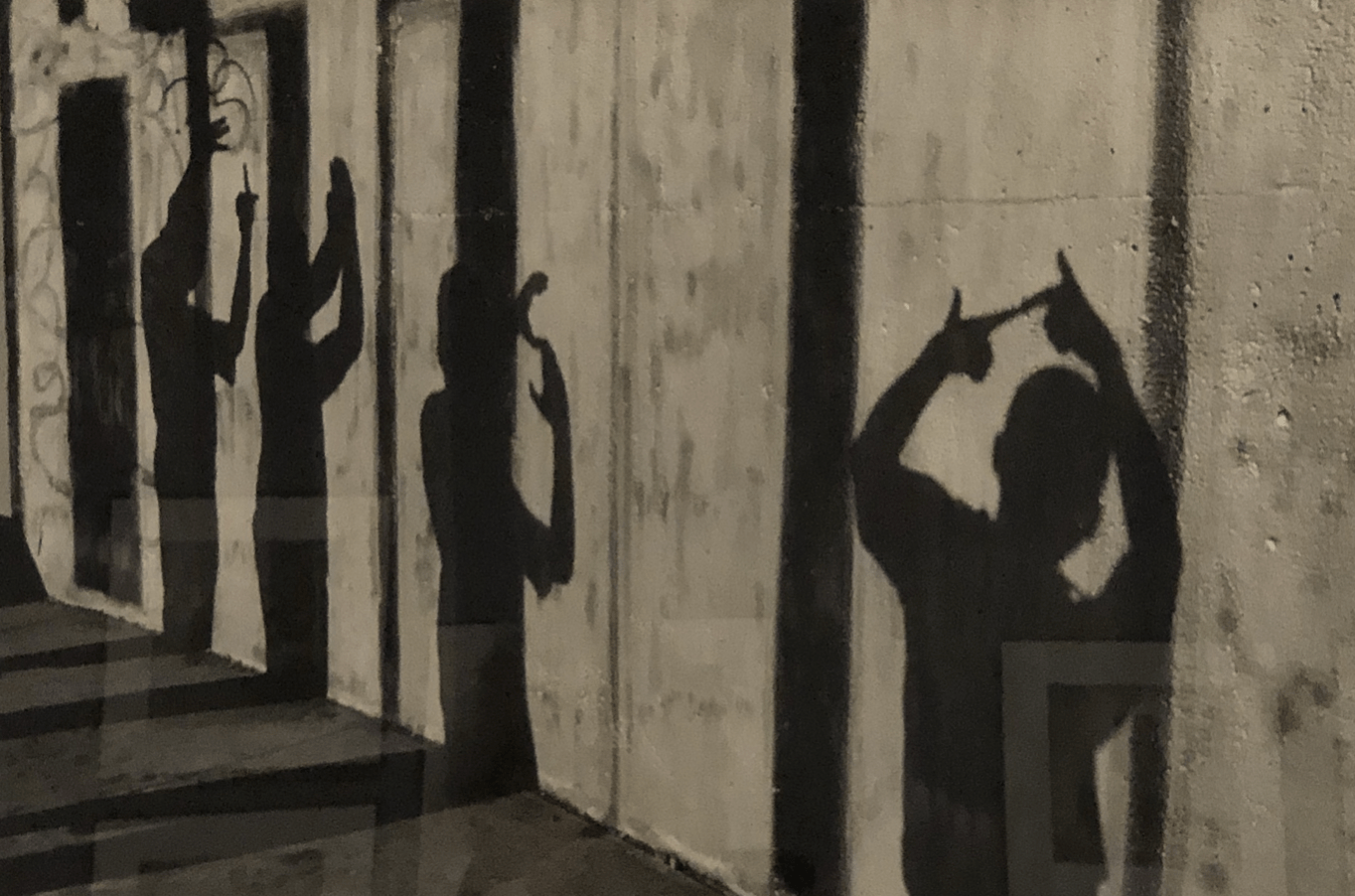
Cholos, White Fence Gang, East Los Angeles, Estados Unidos 1986
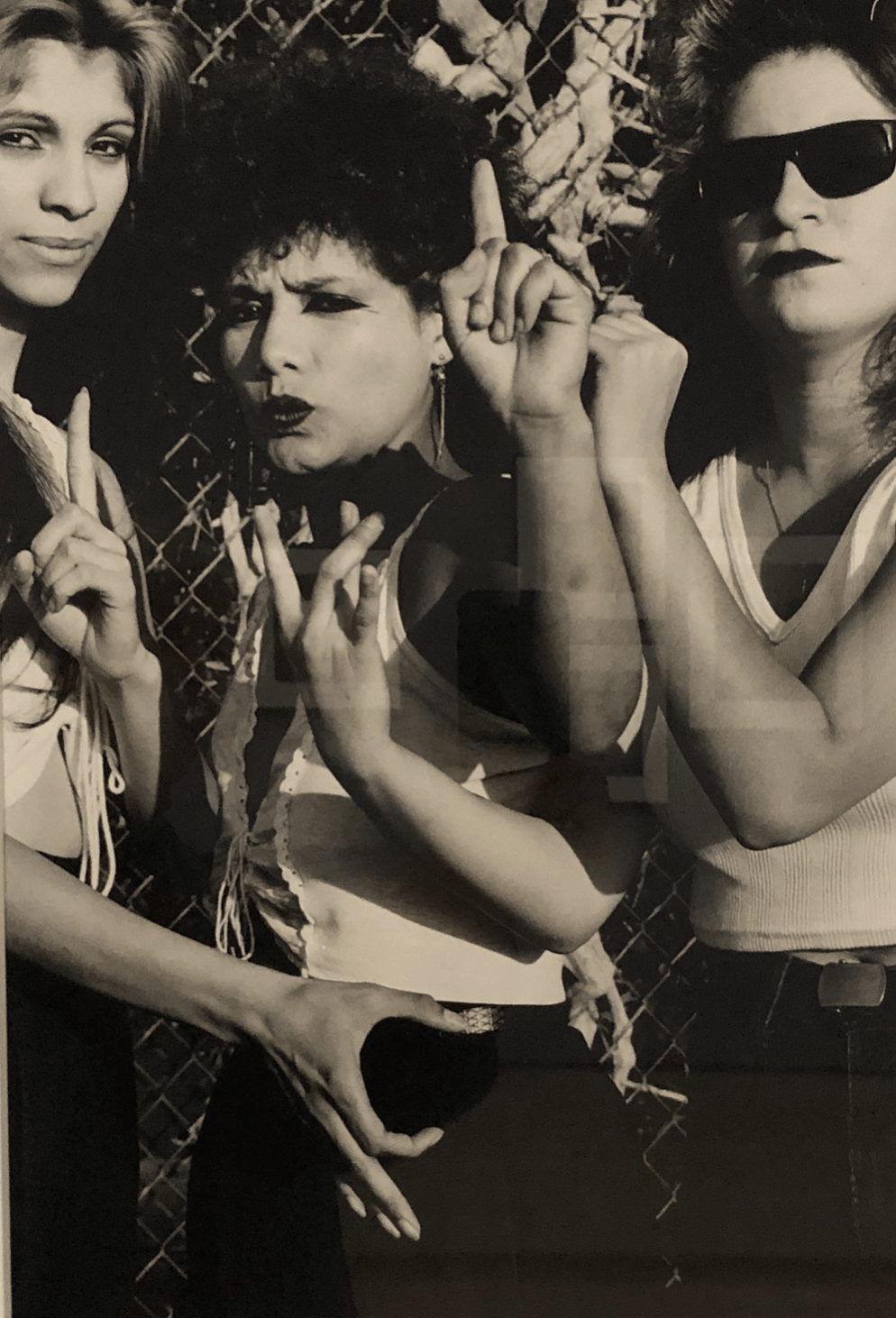
Rosario, Cristina, Ester, White Fence Gang, East Los Angeles, Estados Unidos 1986
Iturbide is not walking the streets surreptitiously shooting from the hip or riding subways with hidden cameras. Fully engaged, she may even conspire with her subject. Posed and primed, these portraits present the sitter’s face to the world. A photograph, Magnolia, appears in two separate prints in the current exhibition, Graciela Iturbide: Between Two Worlds, at the San Francisco Museum of Modern Art. The first view of Magnolia is mounted on a wall with other portraits. A full length standing figure holding a mirror to reveal a contemplative state, the portrait carries feelings of illumination that contrast with more somber surrounding images of single figures posed in a centrally-framed forward view.
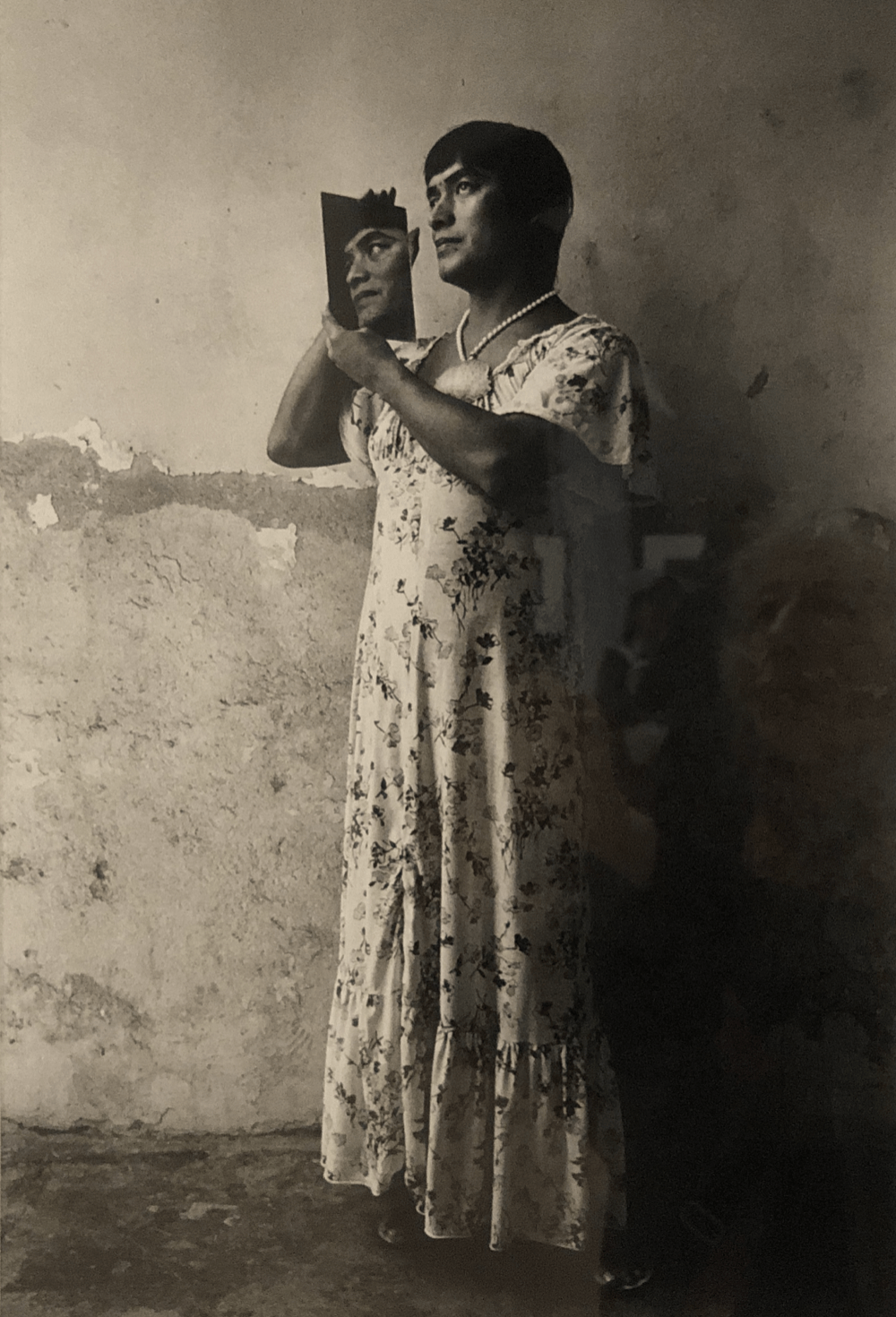
Magnolia, Juchitán, Oaxaca, 1986
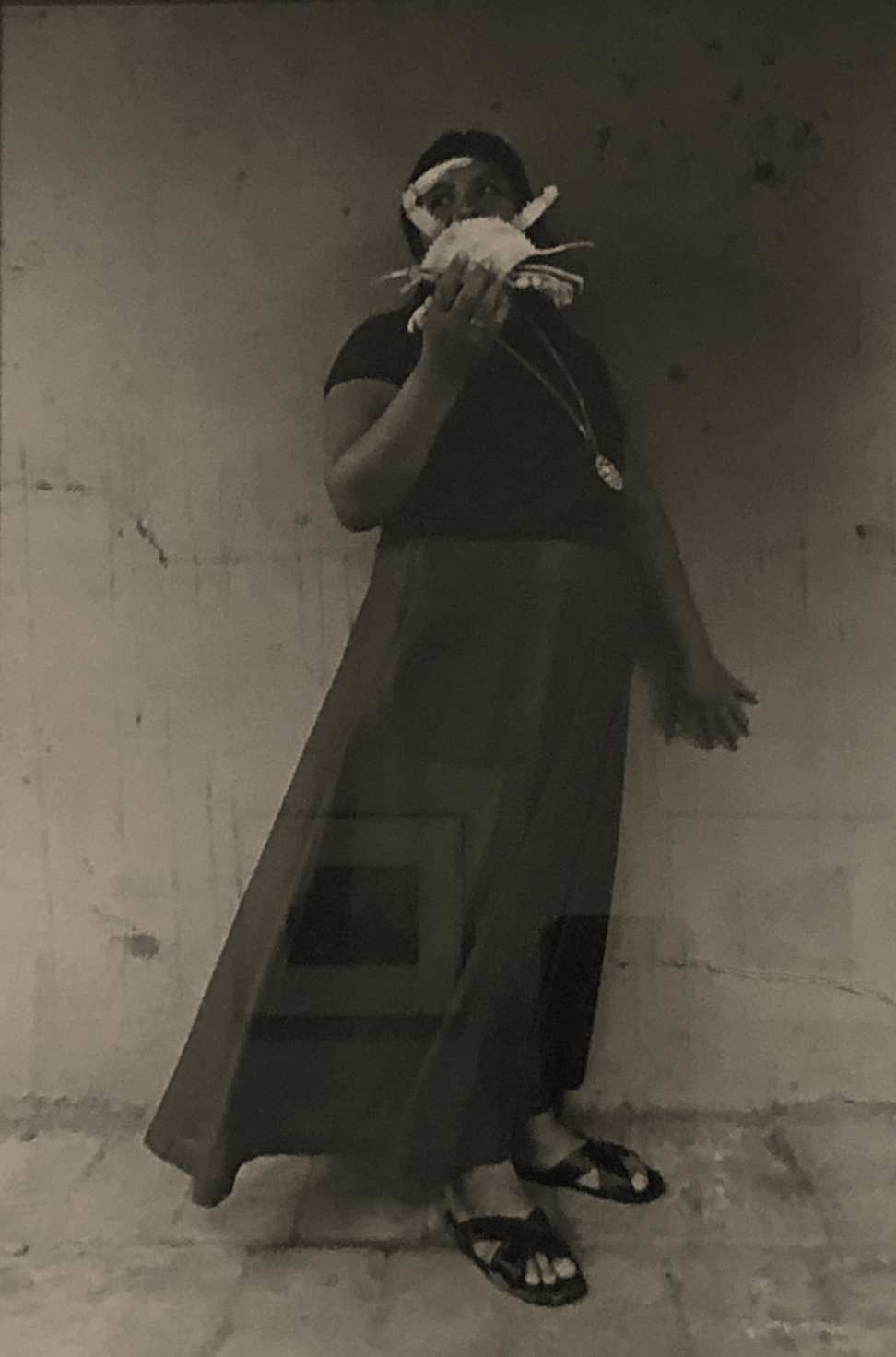
Mujer Cangrejo, Juchitán, Oaxaca (Crab Woman, Juchitán, Oaxaca), 1985
A wall reproduction of enlarged contact sheets exposes more than the photographer’s eye in selection, cropping, or printing. What is glimpsed is the manner in which a session unfolds – an open exploration of self-presentation. Magnolia, non-binary, muxe, shares delight in makeup, dress up, and posing – the trying on of different dresses, attitudes, and relationship to the camera reveals a warm coquetry.
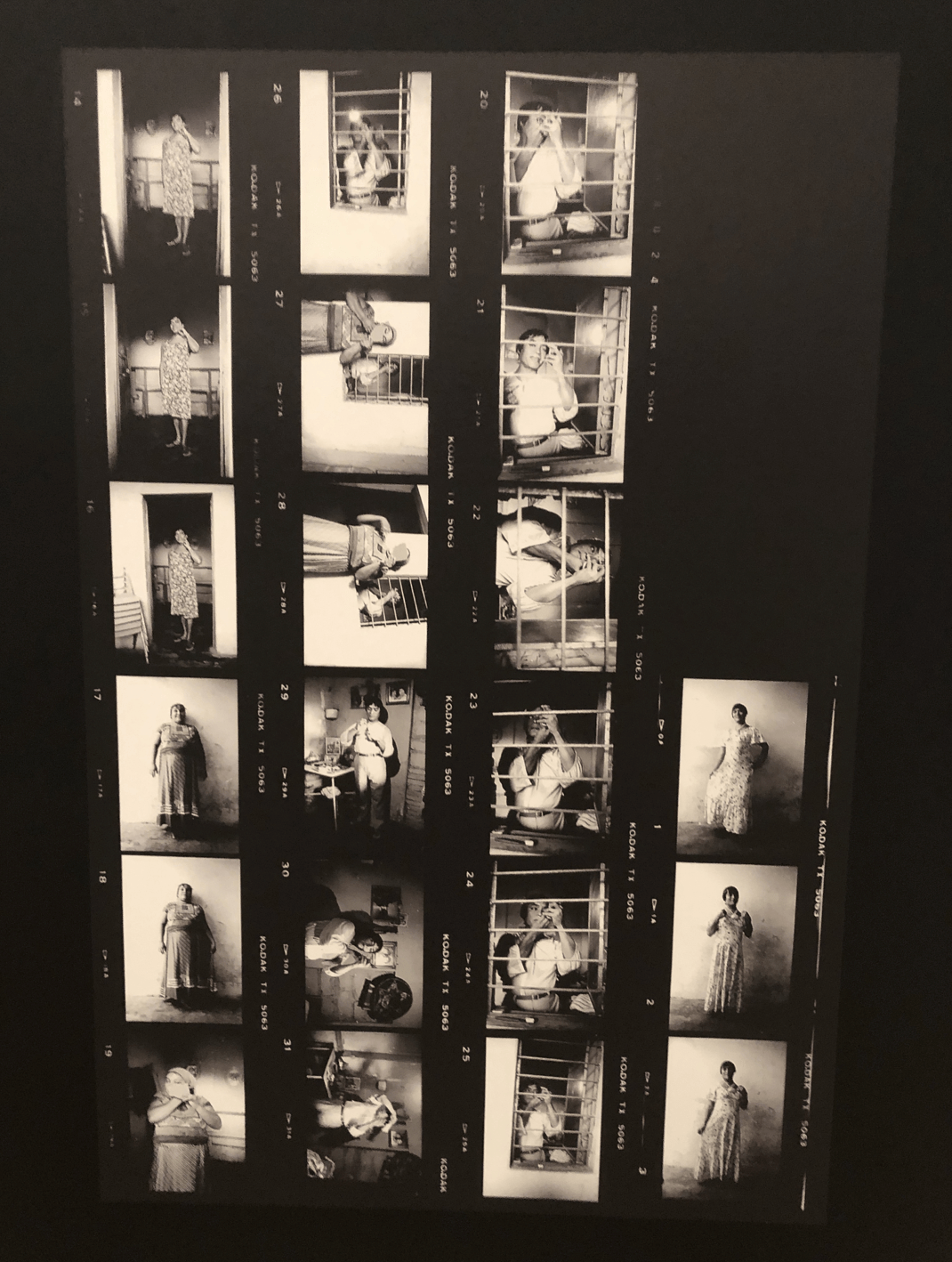
Reproduced contact sheet, session with Magnolia
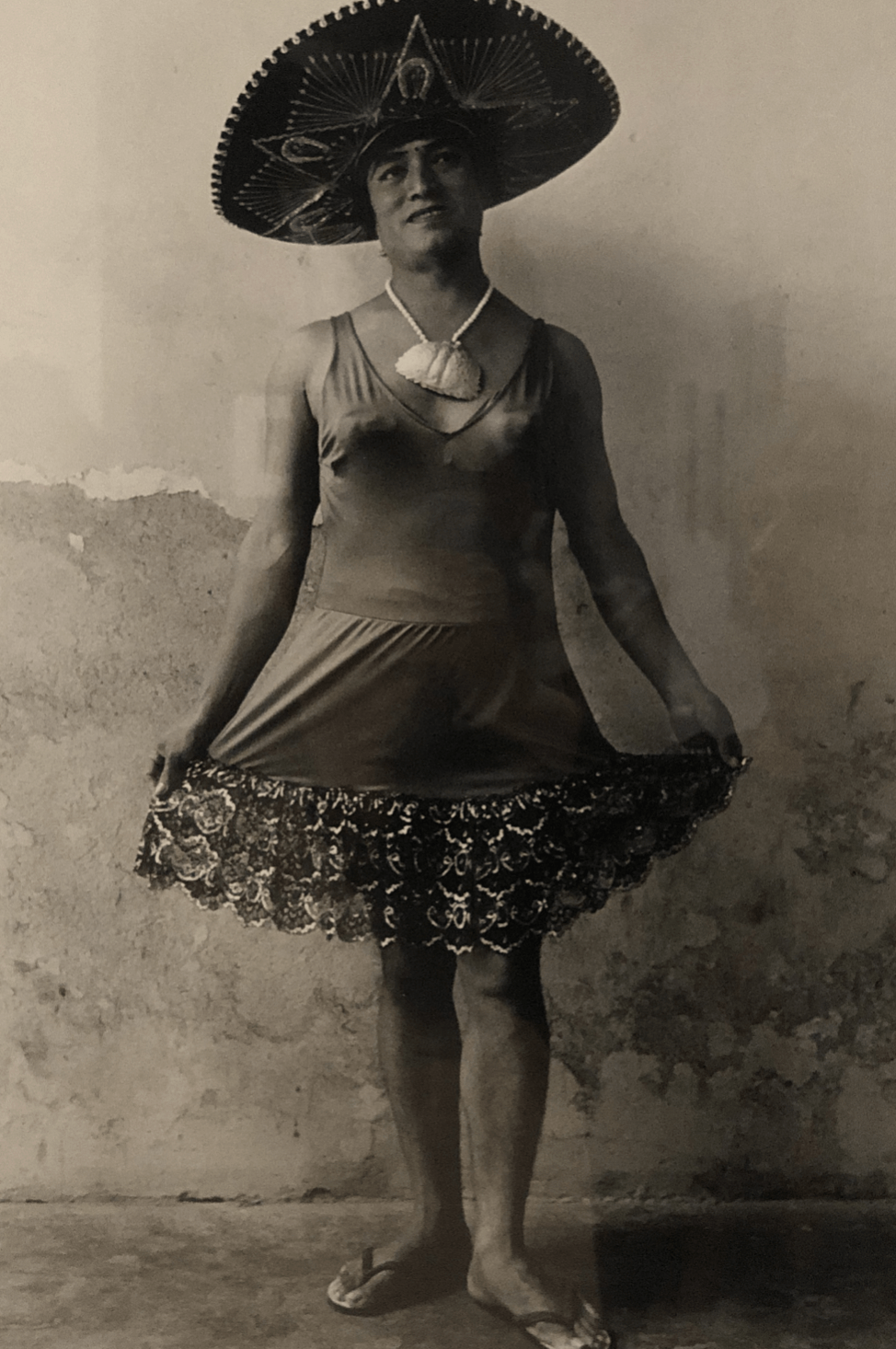
Magnolia, Juchitán, Oaxaca, 1986
Taking time. The care given to process also extends the perspective on rituals.
Undertaking a representation of the ritual slaughter of thousands of goats raised specifically for sacrifice, Iturbide manages to convey the power of belief, the importance and value reaching deeply into the social fabric. Recording an annual cycle that binds a people – instilling connection across generations – the graphic documentation in black and white drains the reality of blood to evoke wonder. Iturbide conjures the magic beyond reason, beyond grasp.
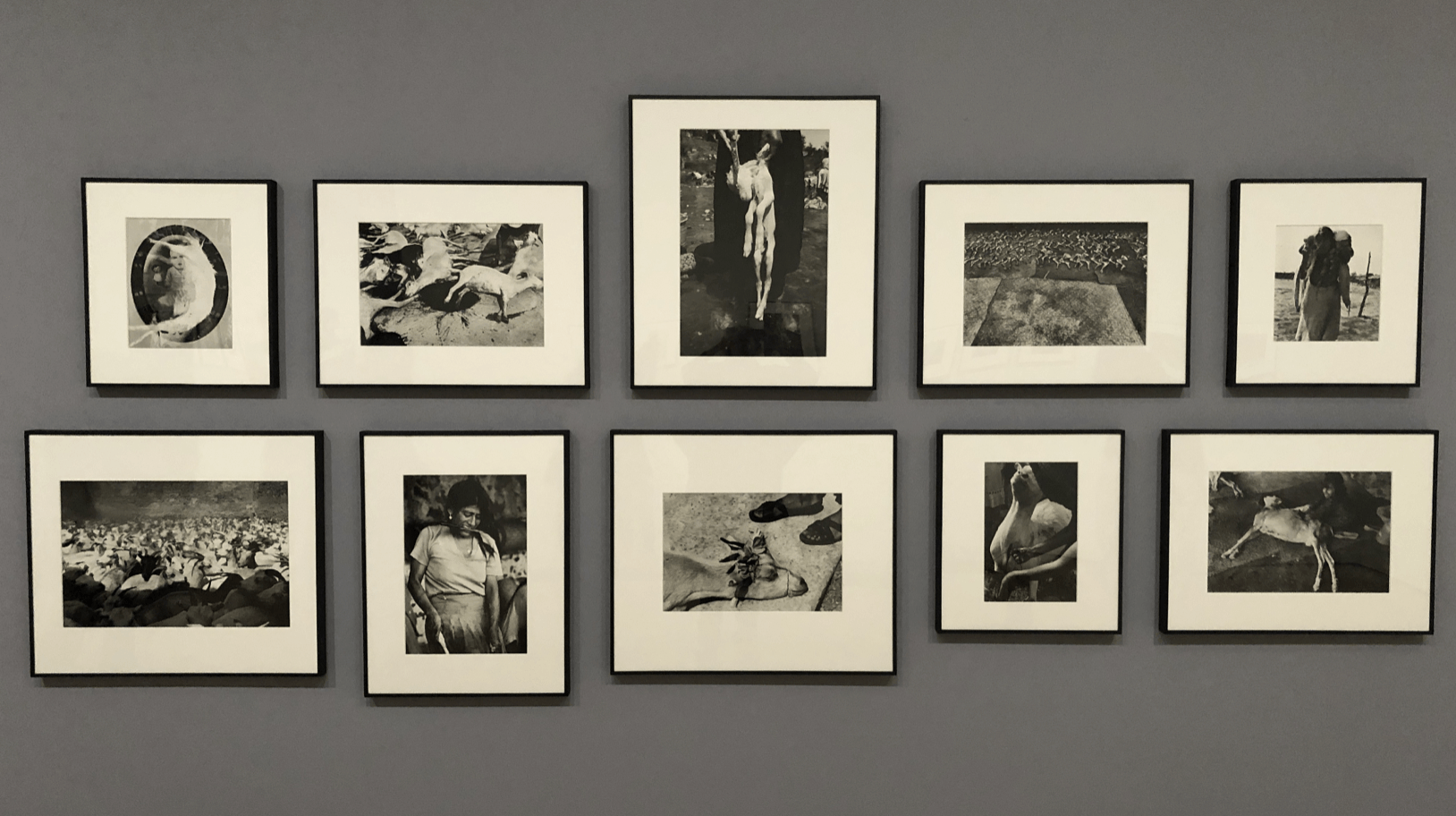
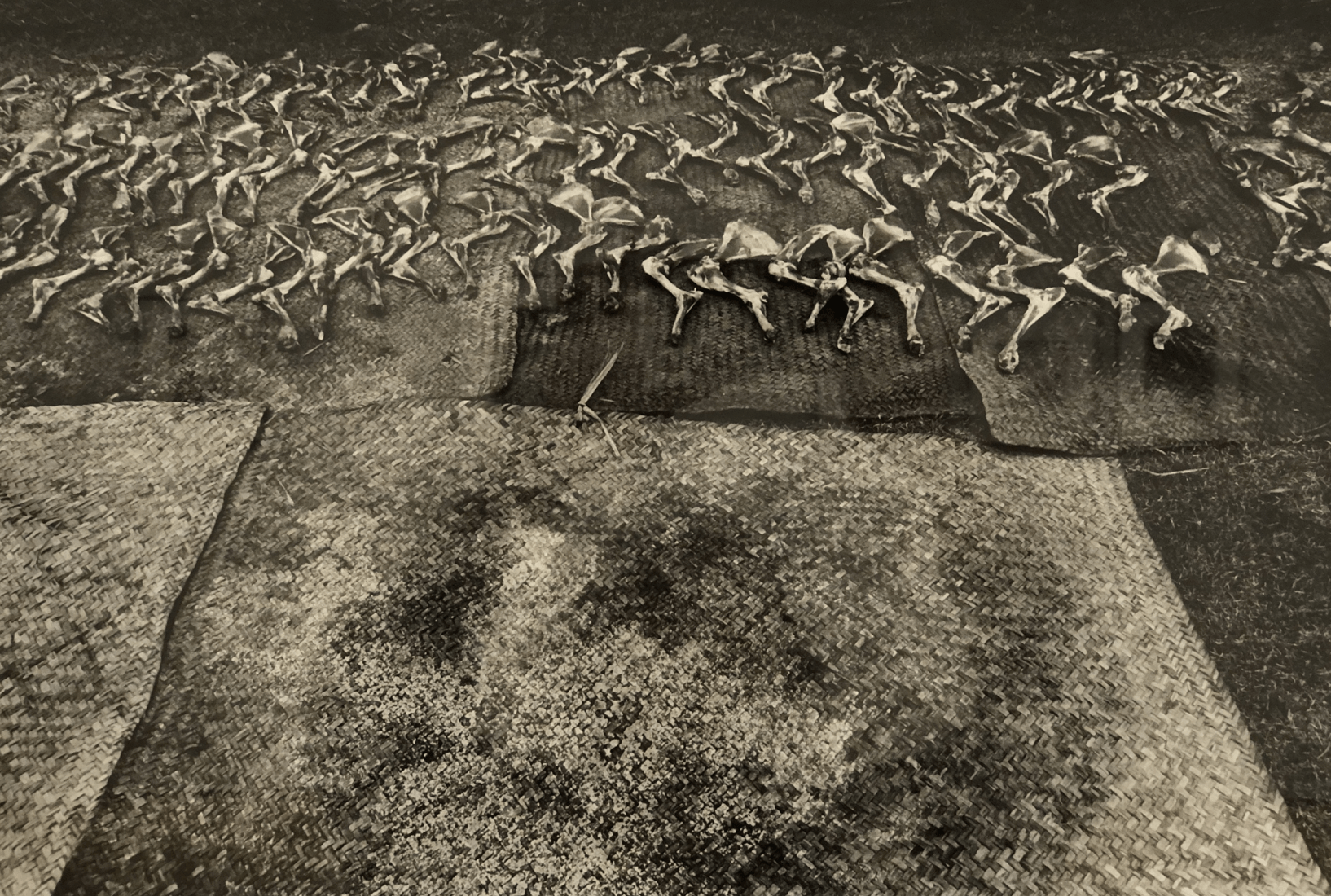
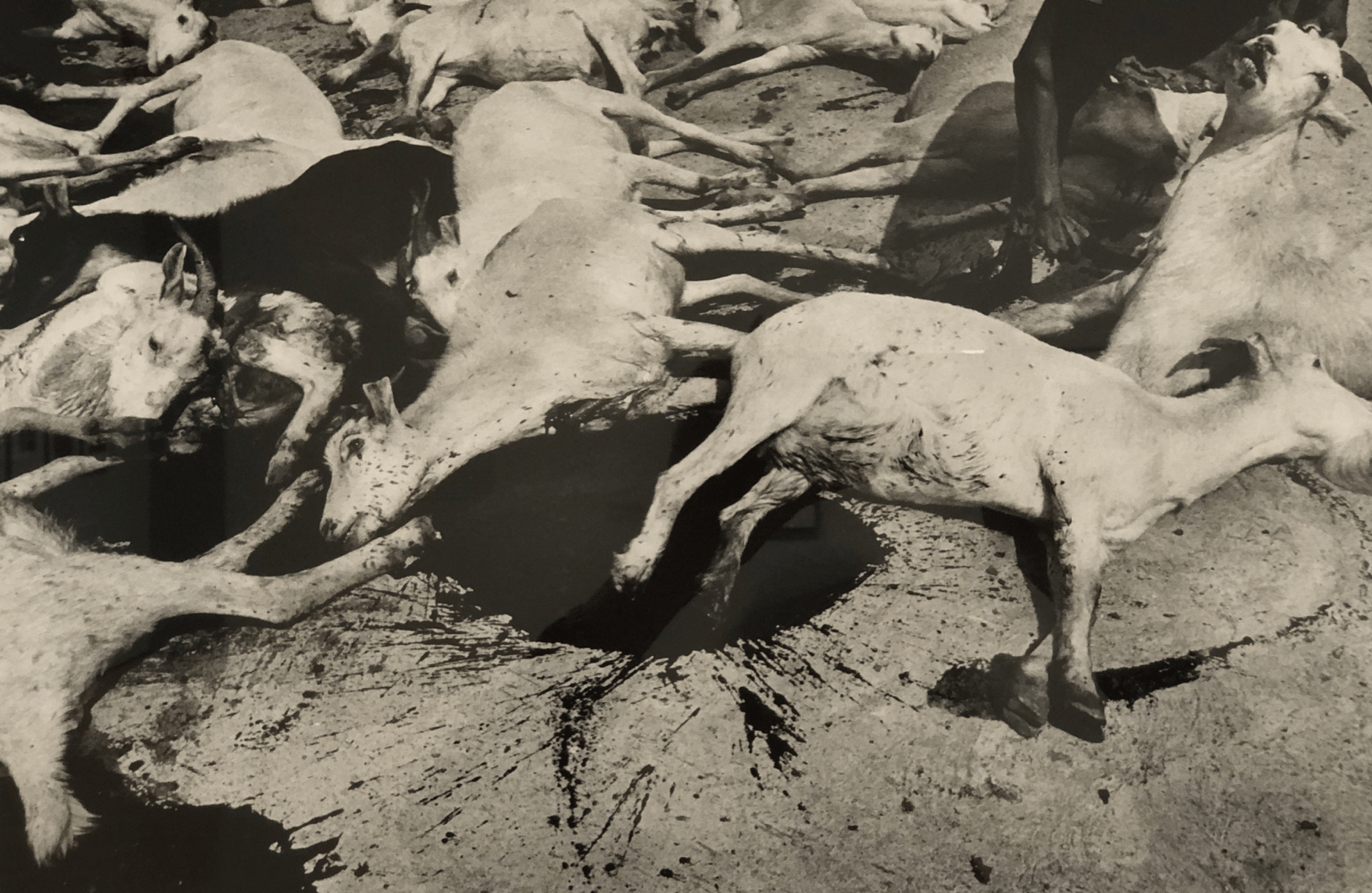
Installation view of the 1992 ritual slaughter of prized white goats raised for annual religious sacrifice in the Mixtec Indigenous communities in Oaxaca.
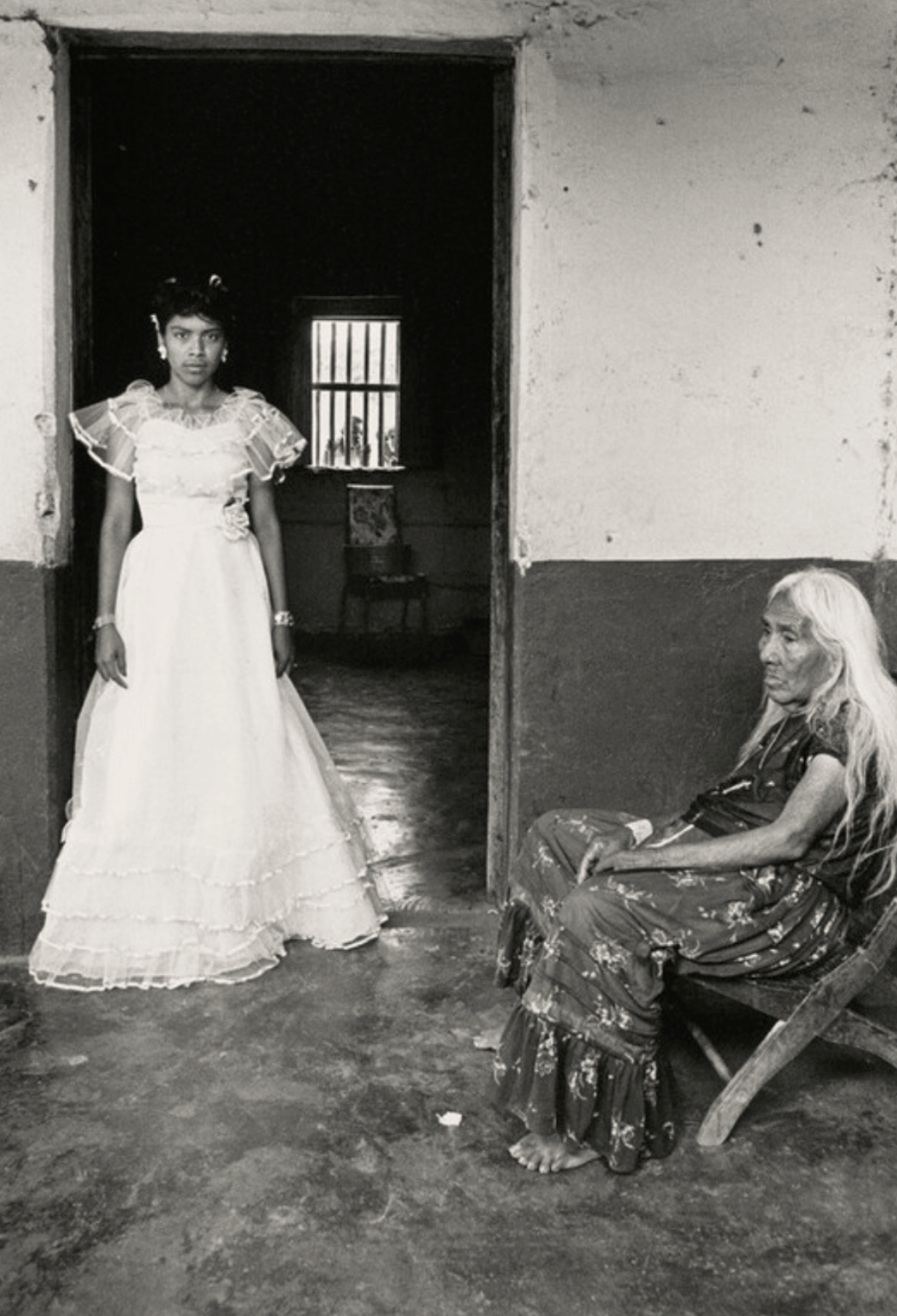
Quince años, Juchitán, México (Fifteenth Birthday, Juchitán, Mexico 1986
In an exhibition that spans decades and continents, peoples and landscapes, photographs touch the children and elders. Quince años, Juchitán presents us with the girl dressed now as a young woman, face forward with direct gaze, and, looking away from the camera, in profile, the old seated woman who has lived this life. Graciela Iturbide renders a mirror of her self, and through her compassion, a mirror to life, a mirror of the world.
Graciela Iturbide: Between Two Worlds
San Francisco Museum of Modern Art
July 11 – November 28, 2026
