
A Conversation with Faig Ahmed

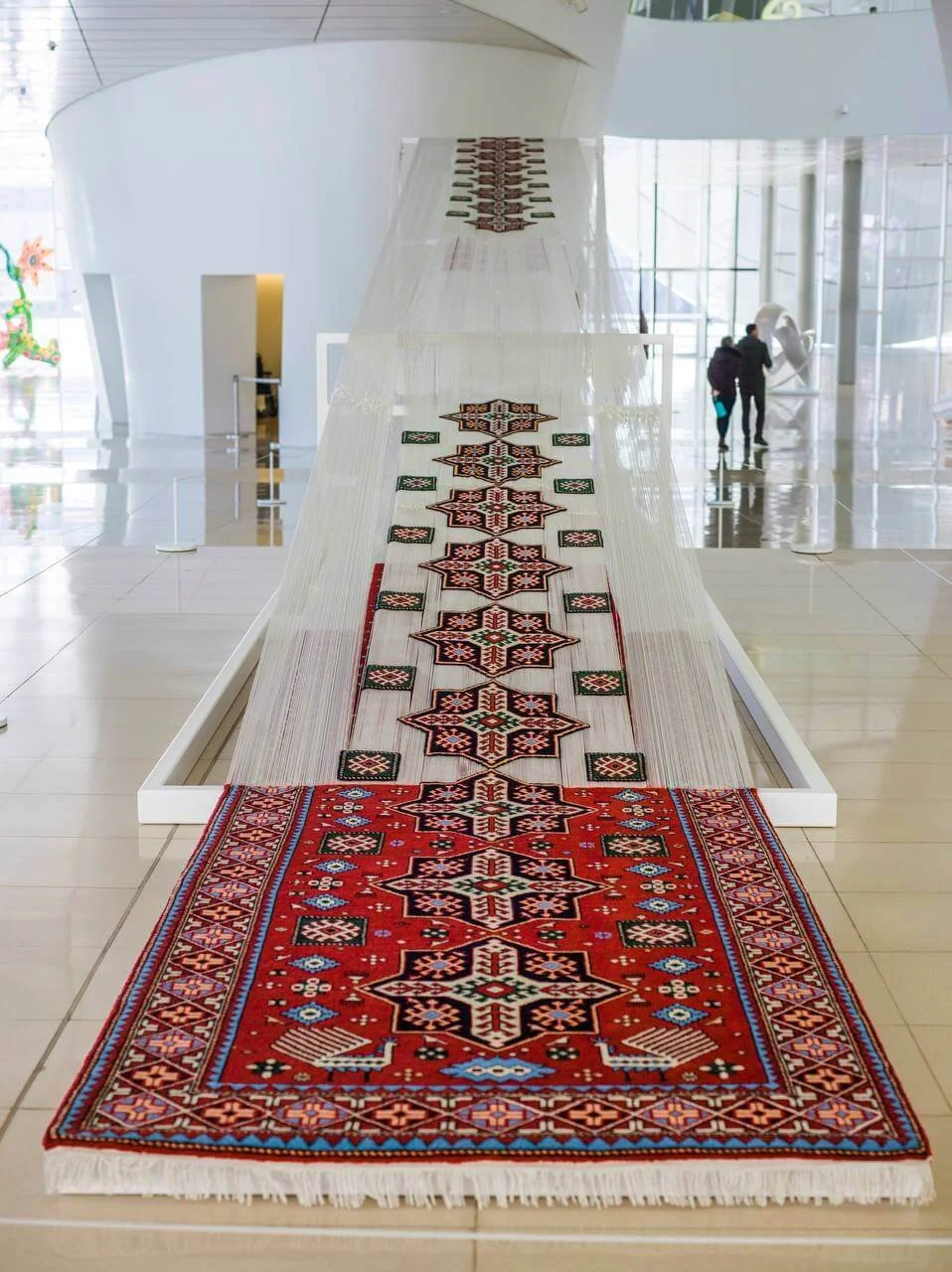

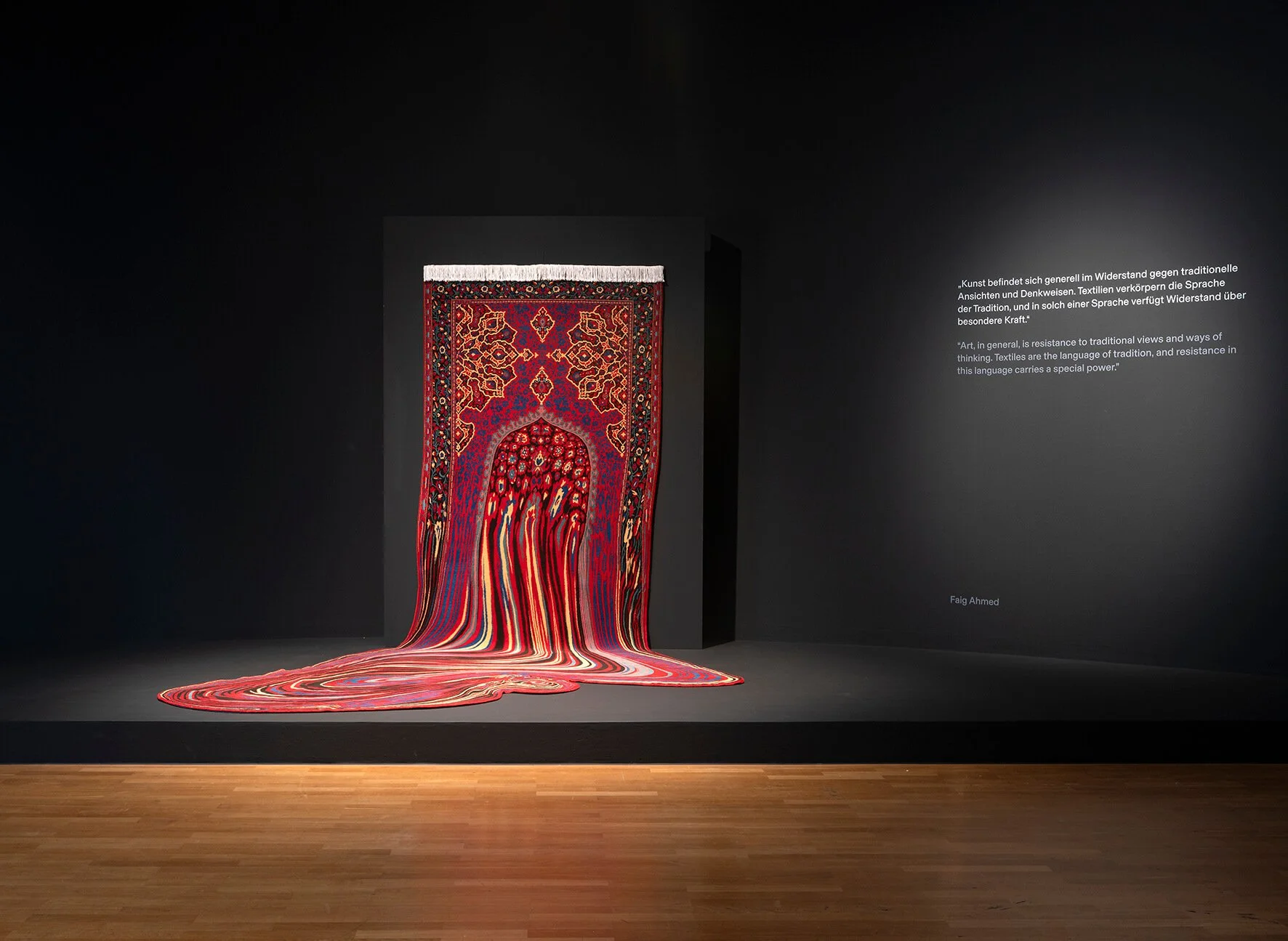
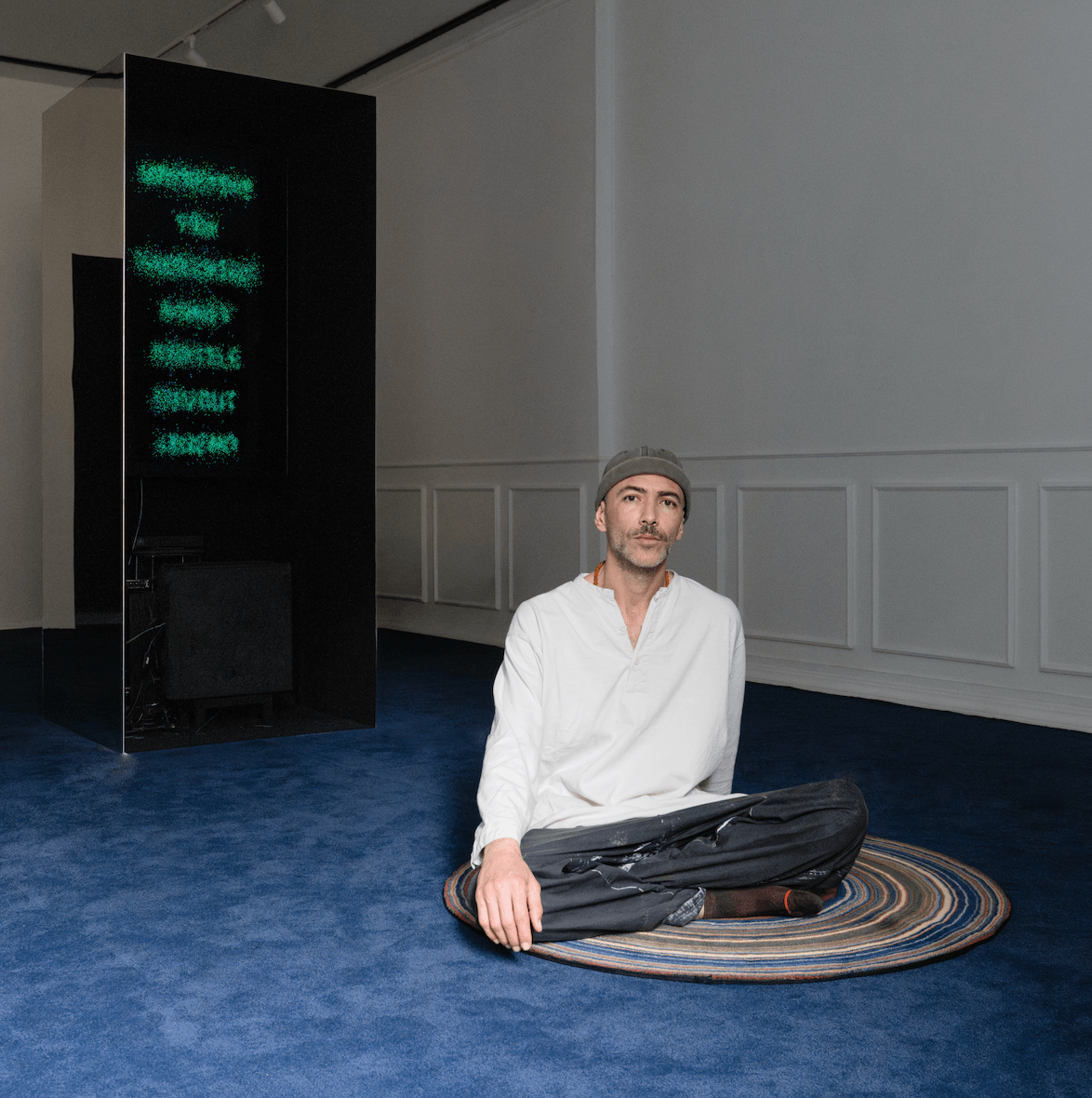
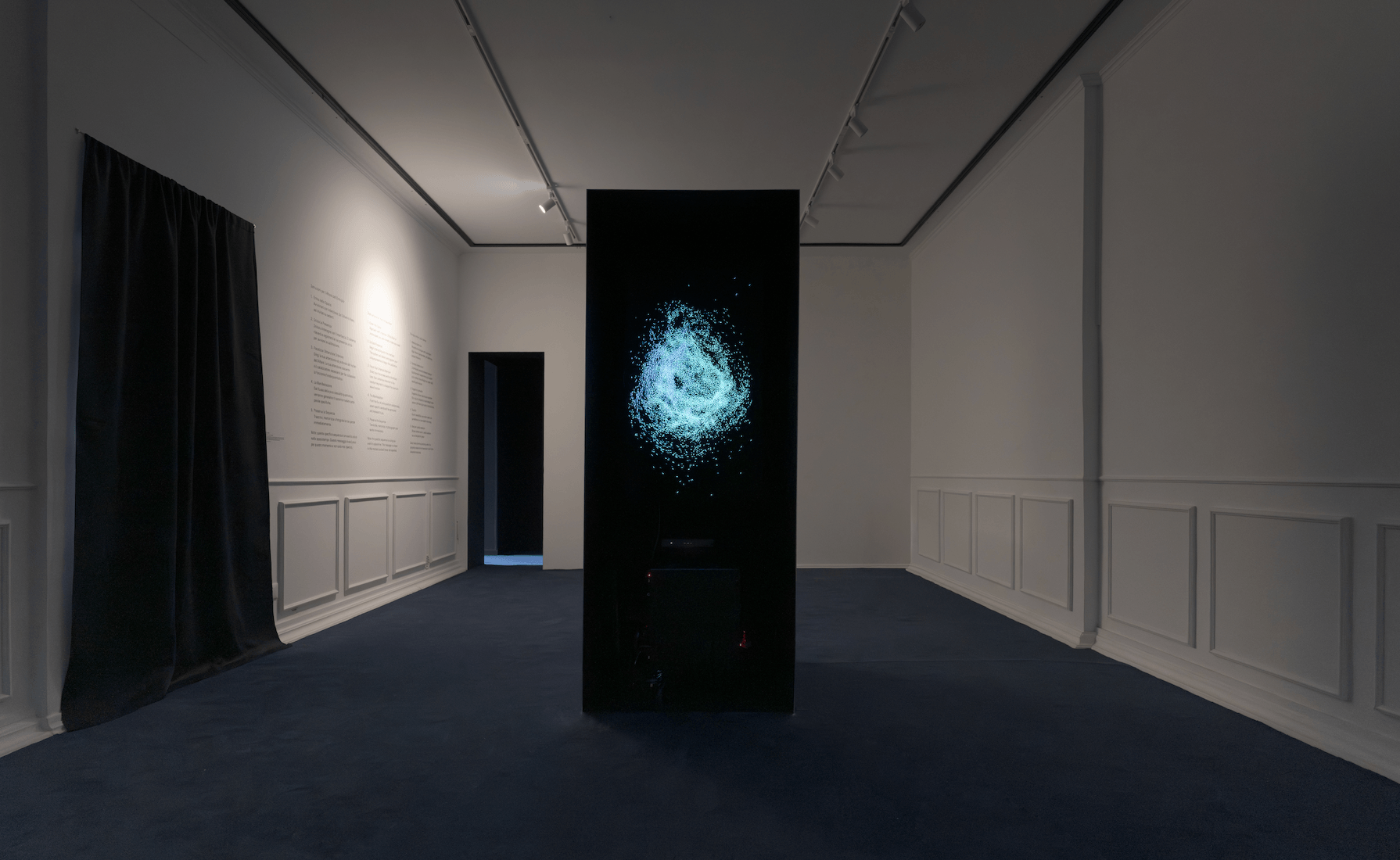
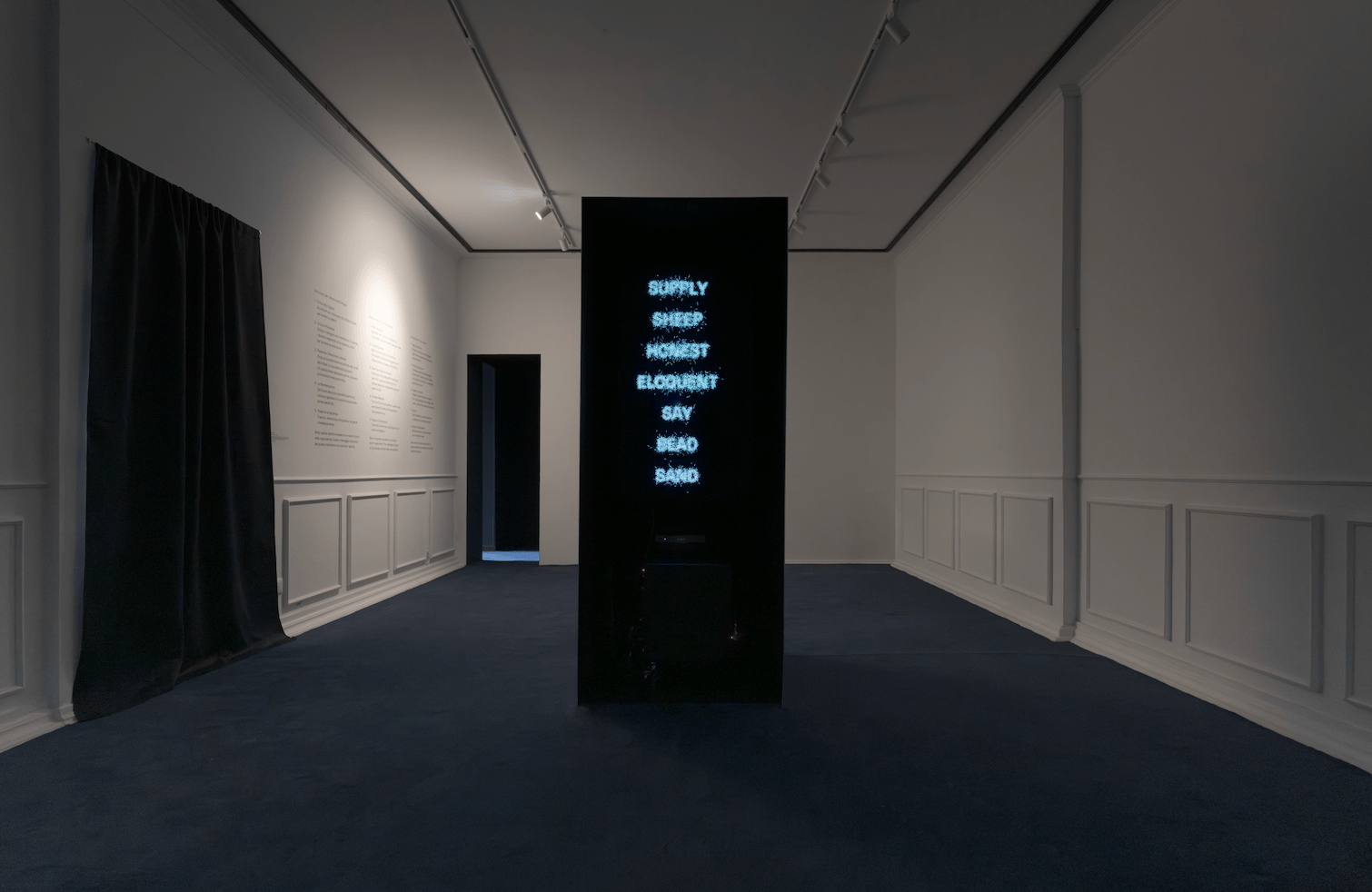
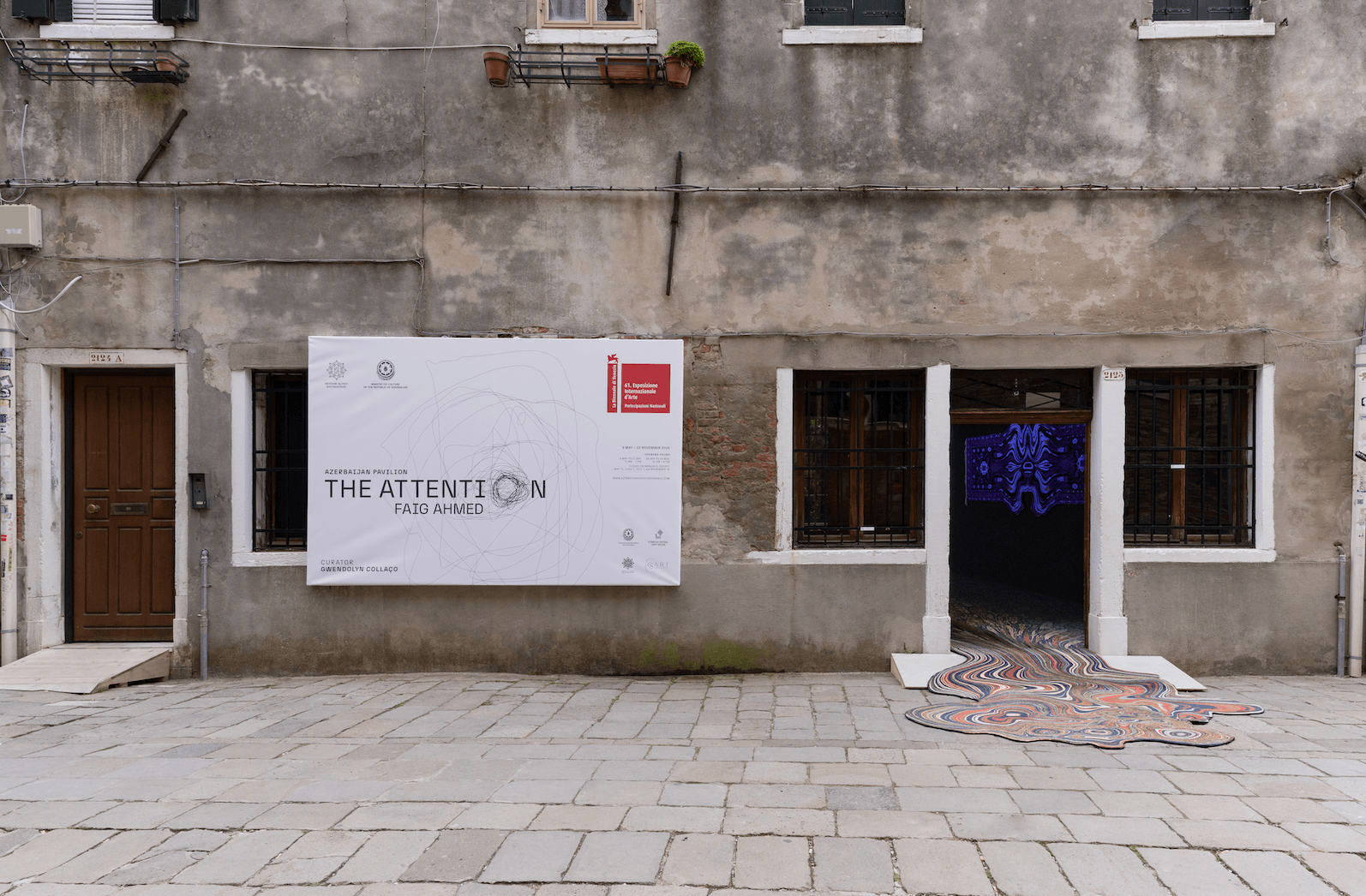
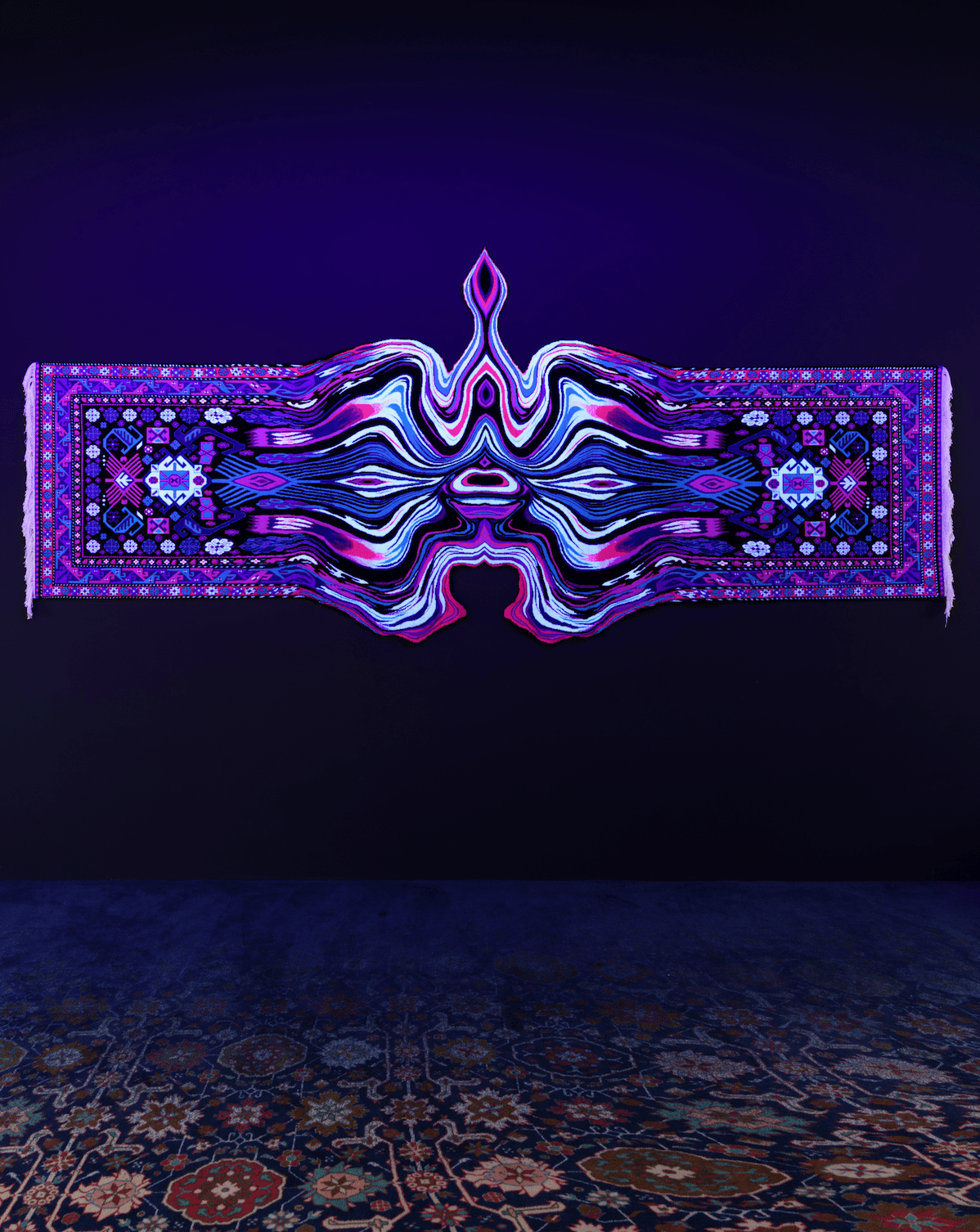

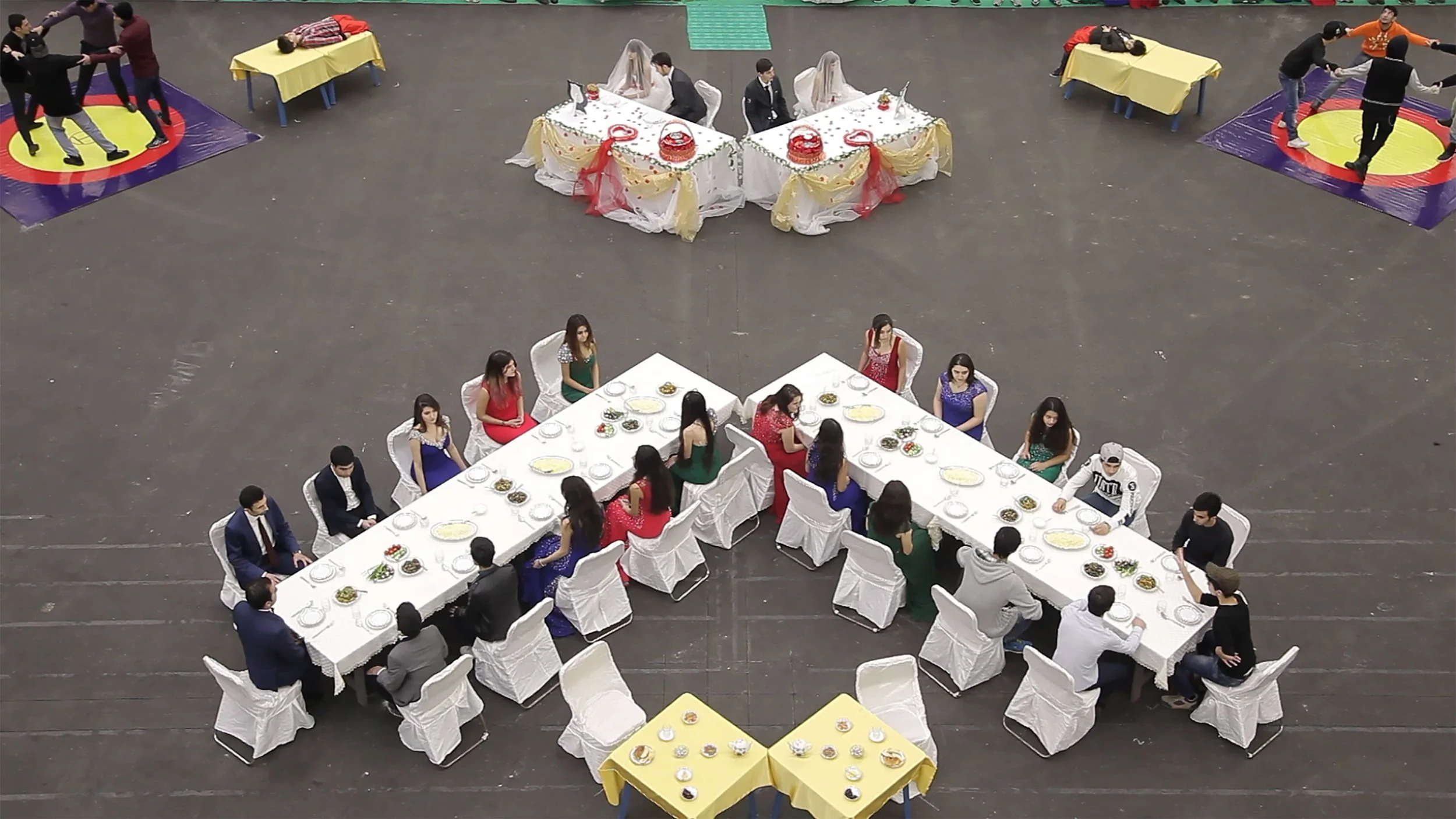

Faig Ahmed (b. 1982, Sumqayit, Azerbaijan) lives and works in Baku. He graduated from the Sculpture Department of the Azerbaijan State Academy of Fine Arts in 2004. Ahmed represented Azerbaijan at the country's inaugural pavilion at the Venice Biennale in 2007 and the Azerbaijan National Pavilion at the 61st International Art Exhibition — La Biennale di Venezia (2026) with the solo exhibition The Attention.
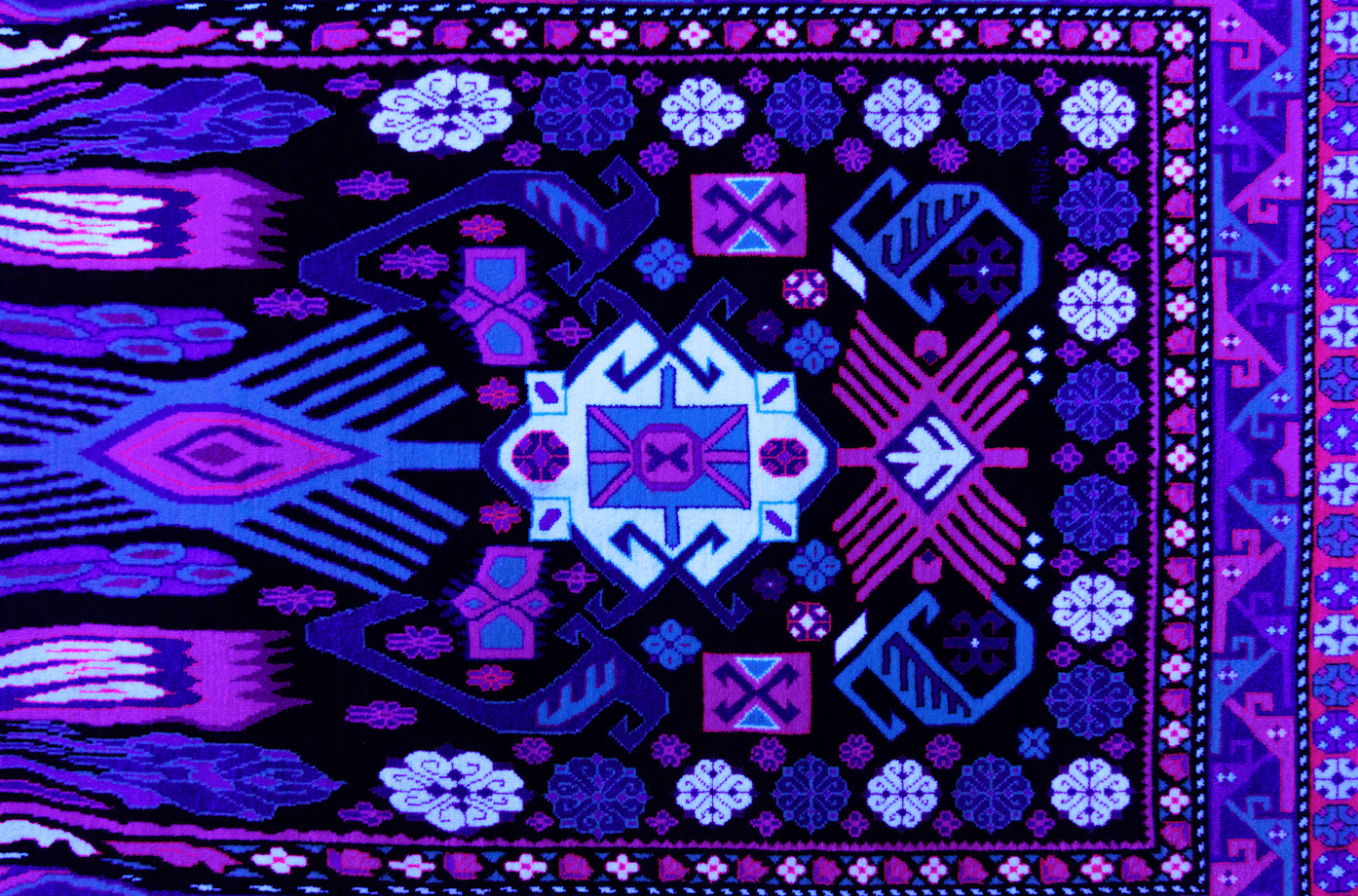
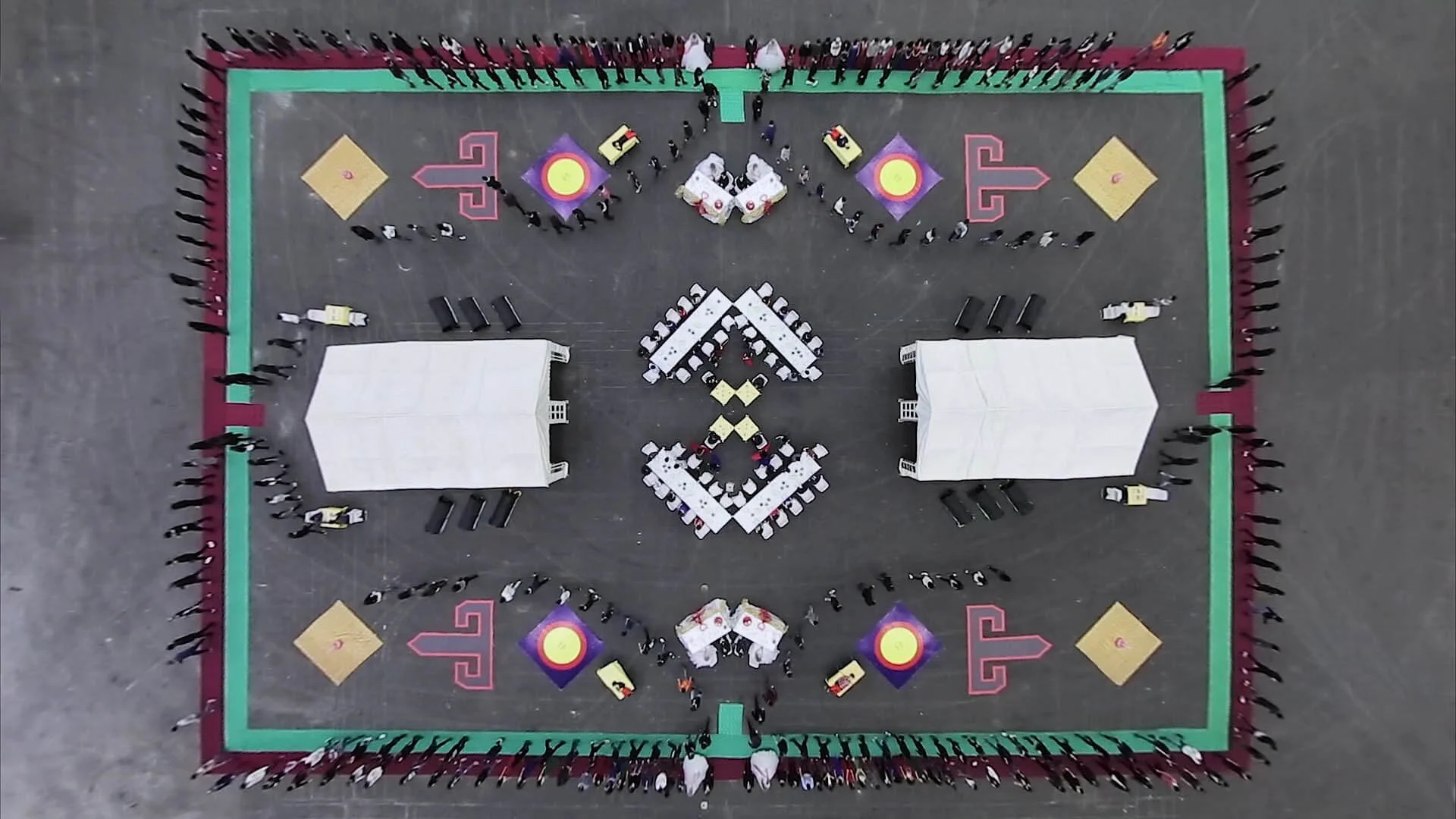
Ahmed is internationally recognized for transforming the visual language and techniques of traditional carpet weaving into contemporary sculptural and conceptual artworks. By reimagining one of Azerbaijan’s most enduring cultural traditions, he challenges conventional perceptions of craft, heritage, and materiality. His practice deconstructs established patterns and symbols, creating unexpected visual forms that merge historical craftsmanship with contemporary aesthetics, digital culture, and emerging technologies.
Working across a broad range of media, Ahmed draws inspiration from world religions, mystical traditions, ancient texts, calligraphy, geometry, science, and technology. In recent years, his practice has expanded into interdisciplinary research exploring consciousness, perception, neuroscience, and the relationship between human experience and emerging technologies. His works often combine meticulous handwoven techniques with digitally informed distortions, examining the intersection of tradition and innovation, the physical and the virtual, the ancient and the future.
His work has been presented in museums and institutions including the Museum of Fine Arts, Boston; Bellevue Arts Museum; Museum of Contemporary Art Cleveland; Milwaukee Institute of Art & Design; Boca Raton Museum of Art; Newport Art Museum; George Washington University; Honolulu Museum of Art; San Luis Obispo Museum of Art; Newcomb Art Museum of Tulane University; Museum of Contemporary Art of Rome (MACRO); Museum of Applied Arts and Sciences, Sydney; Museum of Old and New Art (MONA), Tasmania; Textile Museum of Sweden, Borås; Istanbul Modern; New Tretyakov Gallery, Moscow; Aga Khan Museum, Toronto; Princeton University Art Museum; Maraya Art Centre, Sharjah; Purdue University, West Lafayette, Indiana; Princeton University, Princeton, New Jersey; and Museum Angewandte Kunst, Frankfurt, among others.
Ahmed’s works are held in major public collections worldwide, including the Art Institute of Chicago; Los Angeles County Museum of Art (LACMA); Palm Springs Art Museum; Seattle Art Museum; RISD Museum; Chrysler Museum of Art; Brooks Museum of Art; Currier Museum of Art; Museum of Fine Arts, Houston; de Young Museum, San Francisco; Birmingham Museum of Art; Bargoin Museum, France; Museum of Contemporary Art, Kraków; National Gallery of Victoria, Australia; Arsenal Contemporary Art Montréal; National Museum of Art, Architecture and Design, Norway; Istanbul Modern; and Maraya Art Centre.
The following are excerpts from Faig Ahmed’s interview as conducted by Hugh Leeman
What the Venice Biennale Is Really For
Hugh Leeman: Faig, your work is the solo exhibition for the Azerbaijan Pavilion at the Venice Biennale — where the art world addresses a global stage. In your installation and artworks in Venice right now, what do you want global visitors to notice?
Faig Ahmed: I have an answer, but it's not telling anything — and yet it is. You're right that the Biennale is one of the major events in contemporary art today. But because it's presented by countries, questions of origin, identity, culture, and social context inevitably arise. We all know from the news what's going on in the world. What I keep asking is: what can art give that's different in a world already full of information?
The only answer I arrived at was the person themselves. What I really want — not from all visitors, but from what I'd call special visitors, those who genuinely want to engage with themselves — is for them to simply be with themselves. The whole idea of the space is built so that nothing has to disturb you from yourself. The poetry inside, the carpet itself — it leads you to certain points where you can, literally or abstractly, reflect on yourself as a person. The person is the most important element here, because everything — including the final work, which we'll discuss — only becomes whole if the visitor completes it.
Speaking Freely Through a National Pavilion
Hugh Leeman: There's an interesting complexity to your work. You delve into issues that are, at times, taboo in Azerbaijan. You've said before that the Biennale in Venice remains one of the few places where it's possible to speak freely about everything on equal terms — and yet you're speaking through a national pavilion. How do you want this exhibition to hold that tension between national specificity and shared human experience?
Faig Ahmed: What makes the local global, and the global local? What can traditional culture give to a world that is already full of information and knowledge?
I think the answer is quite a lot. As contemporary humans, we are just discovering how much our ancestors accumulated — and today we talk about data. If we can read that older data, we can access something genuinely tested by evolution, including cultural evolution — things that we may or may not need today.
One of the ideas I approached was poetry, because Azerbaijani culture is genuinely full of it. Even everyday language, even jokes — they have to be poetical for them to make sense, to make humor land. So poetry — and specifically mystical poetry — drew me in. I approached a particular school of thought that comes from the region that is today Azerbaijan. The school is called Hurufiyya, and one of its great poet-presenters is Nasimi, a 14th-century poet who wrote in the Azerbaijani language, which I can read directly.
Nasimi and this school speak about the importance of the self — that in moments of hesitation, of doubt, when you must choose, choose yourself. Within yourself is truth. That idea developed in a direction close to pantheism, but they added something else: that everything in the universe, the world, reality itself, is coded. That thought from 15th-century Azerbaijan runs in a remarkable parallel line with ideas from quantum physics and theoretical physics — what we know today as the simulation hypothesis. Physicists like John Wheeler, who proposed the concept of "it from bit" — the idea that reality itself, not just matter and space and time, but reality as a whole, can be described by information rather than by physical matter and movement — that connection between a medieval Azerbaijani poet and contemporary theoretical physics is what sparked this project for me.
Social Codes, Unspoken Language, and What Art Can Find
Hugh Leeman: You mention personal data and codes, and in many ways, even in your previous exhibitions before Venice, you dig into the sensitive nature of social codes — how unspoken social codes influence an individual and influence a greater whole. Can you give the listener some context about what these social codes are that you're exploring in your work?
Faig Ahmed: Human behavior is extraordinarily complex — behaviorists, theorists, many fields have tried to address this. But art, I think, can offer another view into this language. Through art, we can describe, or even discover, new patterns in human behavior that other methods can't reach. Art can dig into very small details of a certain subject, and at the same time see the bigger picture. That's what art has to do.
Hugh Leeman: You said something to me previously that I want you to expand on. You told me: "Freedom is opportunity, and something that you have to pay for." What has freedom cost you — artistically, socially, spiritually?
Faig Ahmed: For every movement — which is freedom — as in geometry and physics, you have to pay with energy. And in life, it can work similarly. I try to balance. I pay with my own freedom, in a sense, because I'm not free to do whatever I want at any moment. Planning something large means planning many smaller things just to reach the larger goal — it divides and structures my time in ways that don't always give me enough open space.
But on the other side, art itself gives me the opportunity to meet people — like you — and to talk about subjects that genuinely interest me. And without this work, without this direct connection with people, which is what matters most to me as an artist — the connection through the work is one thing, but the direct human connection is something else. Art in that case becomes a language to talk about something deeper.
Balance, for me, is not a static thing. It's a rhythm — finding a rhythm through which you can give and take and maintain some control. And sometimes, like in meditation, there are zero points where you're neither giving nor receiving anything. That stillness is part of it too.
The Women Weavers and the Price of Collaboration
Hugh Leeman: Early in your career you were made to communicate with women weavers through their brothers and husbands because you couldn't speak directly with the women themselves. This sits directly on the intersection of connection with people, freedom, and social codes. How did that experience impact your artwork and your understanding of what remains unsaid in social life?
Faig Ahmed: That was one of the most interesting and complex parts of the work — and honestly, I understood as a young artist that it's not just about a good idea. When you take something that is deeply important to a society and a culture — in this case, the carpet, made by the most skilled weavers who live in traditional communities, far from cities, in villages and countrysides — you're entering a world that is more traditional in behavior and everyday life.
What I realized, though, is that even within that society, nature makes its choices. Between those very traditional women, there were some who were more liberal in their thinking — women who actually liked the idea of doing something different. I understood that only after speaking with them, after learning their perspectives and what they wanted from life. Innovation has to be supported by people who are, sometimes, what looks like a little crazy to their surroundings. And traditional people, at the same time, shape those innovators. Both parts are natural. Without both, the world would not exist as it does.
What will ultimately change these communities is not anything I'm doing — it's the arrival of global ideas in any form: products, television, words, technology. Villages in Azerbaijan today are already using AI for farming. That wave of globalization is, in this particular contest, winning. And the most traditional way of life changes alongside it — not because anyone decided it should, but because that's how evolution works.
The 1990s, the Soviet Collapse, and the Search for Identity
Hugh Leeman: You've described the 1990s as a period of very big changes, and you've said that the carpet became, quote, your enemy, because it stood for a conservative social structure. How did living through the breakup of the former Soviet Union shape your early views toward tradition, and how have those views evolved?
Faig Ahmed: The Soviet society was very specific — there were no capitalistic choices as we have today. And most post-Soviet people appreciated the openness that came after, because they hadn't had the ability to choose or produce freely before. But at the same time, there was no ideological preparation for that freedom — no spiritual framework, no range of perspectives offered to people so they could compare and choose for themselves. And communism as an ideology held that there were no nationalities, no religions — only humans. Which is, in a sense, true. But we as human beings want some personality — I'm from this place, I'm part of this tradition, someone is my brother or sister. We want to belong to something larger than ourselves.
When the Soviet Union collapsed, our generation — and not only in Azerbaijan, but across Central Asia, the Caucasus, Eastern Europe — suddenly had no established identity. The generation before ours couldn't teach us who we were, because they didn't know how to answer it either. We were somewhere between a new world and an old one, with nothing clearly handed to us. And no one in Europe or elsewhere would accept you without an identity — we understood that clearly from our first international exhibitions, mostly in Germany, and then at Venice in 2007, when Azerbaijan participated as a national pavilion for the first time.
That was one of the big conversations then: who are we, and what do we want to say? As young people we were detached from the deep valleys of tradition, hearing only their distant echo. We were looking for a new identity that held elements of the past and elements of the future. My choice of the carpet was some kind of working through that — a beginning of how a new society forms itself by asking: who are we, and where are we going?
Baku and the Village: A Country of Contrasts
Hugh Leeman: For context — Azerbaijan is a very dynamic place. The rural areas remain quite conservative and traditional, while Baku is strongly secular and has embraced digital culture. How does that tension between a deep traditional past and an embrace of the digital future manifest in your work and research?
Faig Ahmed: Geography shapes it first. Azerbaijan is a crossroads — a border between different cultures, between West and East, between North and South. You can't be too conservative when your neighbors are so varied. And within Azerbaijan itself, there are several ethnic groups who have lived together for thousands of years. Some of them have languages so ancient they don't share roots even with neighboring languages. For several hundred years, different religions have coexisted — in the same village, you can find a synagogue, a church, and a mosque together.
People have lived in what I'd call a stable dynamic — accepting what has been there for thousands of years while being accepted in return. If you are different, you are respected. If you respect their difference, you can live together in that condition. That's why, throughout different periods of history, various schools of thought — Christian, Islamic, Sufi — have been respected rather than suppressed.
Baku is super secular. People are not deeply religious in general, but those who are religious have the freedom to practice, and no one blames them. The challenge that comes from this is that when nothing unifies a country — not religion, not nationality, not a single culture or language — it becomes difficult to bring people together around shared action. But when that unifying force is absent, people are also genuinely free to choose how they want to live. Both sides of that are real.
Shame, Secrecy, and the Village That Asked for Silence
Hugh Leeman: There's a story you've told in another interview about going to a village of weavers, where the weavers thought you were mocking or teasing their tradition. One household agreed to work with you — but only under the condition that you, quote, never say to anybody that we created this. Can you talk about that story, and what it reveals about shame, secrecy, and the social risk that comes when innovation first appears as taboo?
Faig Ahmed: That was actually the moment where I almost stopped — I thought I would never do this, because it was too sensitive. But after some time, even within a very traditional society, I found that there were women among them who were more open in their thinking. There were women who actually wanted to participate, who found the idea of making something different interesting. I understood that only after genuinely speaking with them, learning what they wanted from life, trying to see from their perspective.
I had to accept their world before I could approach it again. That wasn't easy. I fought with myself, because as a young person, I had seen some of this work as a kind of resistance against certain traditional views. But later, you understand that both parts are natural. Without both, the world wouldn't be what it is. Maybe it's not even a choice of individuals — it's an evolutionary wave that pushes everything to change, and that's how we survive.
What that story also showed is something positive: bringing those questions into a traditional community creates new conversations. That's always good. It leads to development of ideas and views. And at the same time, yes, global ideas in any form will eventually change those societies — that's the direction globalization moves, and it's not balanced. In that sense, it is winning.
The Importance of the Carpet
Hugh Leeman: Something we should address for context — what is the importance of the carpet, for someone who may not be familiar with Islamic culture or Central Asia?
Faig Ahmed: The carpet is much older than Islam — older than Christianity, older than all the major religions we know. The oldest carpet ever found has been dated to approximately 2,500 years old. So it's an object that already, in a sense, lost its connection to any one religion long ago. It's abstract enough, and has enough faces, that it can accept the character of any society. When one religion prevails, the carpet takes on that color. When another arrives, it shifts again. You can see this through history — even the Communist Party influenced carpet design. There were portraits of leaders, communist symbols woven in. That wasn't traditional, but the carpet absorbed it and survived it.
Through changes of language, changes of religion, changes of writing systems — Azerbaijan has changed its script several times — the carpet survived. Architecture changed, everything changed, but the carpet maintained its value. It's too abstract to be pinned to one religion or one geography or one time. And yet it is that old — my grandmother has old carpets from her grandmothers, because for generations, it was deeply important for women to make a carpet before they married. That knowledge was passed directly from mother to daughter to granddaughter for thousands of years.
The carpet, in that sense, is a kind of living archive that has outlasted every ideology that tried to claim it.
Walking Through the Venice Exhibition
Hugh Leeman: With the context you've shared — the social taboos, the conservative rural areas versus secular Baku, the inherited silences — let's walk into your exhibition in Venice. You are our guide. What should we know, what should we begin to consider?
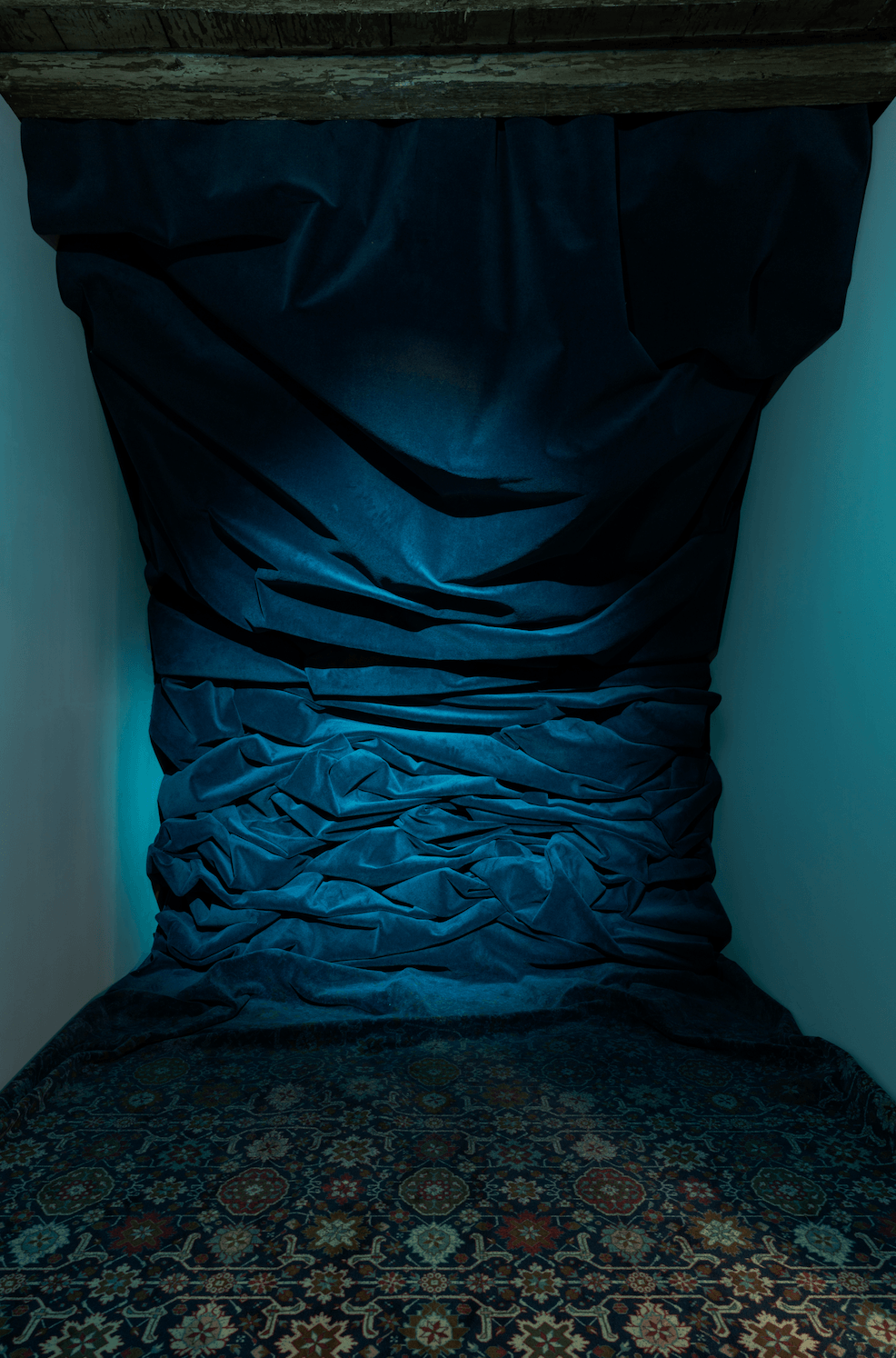
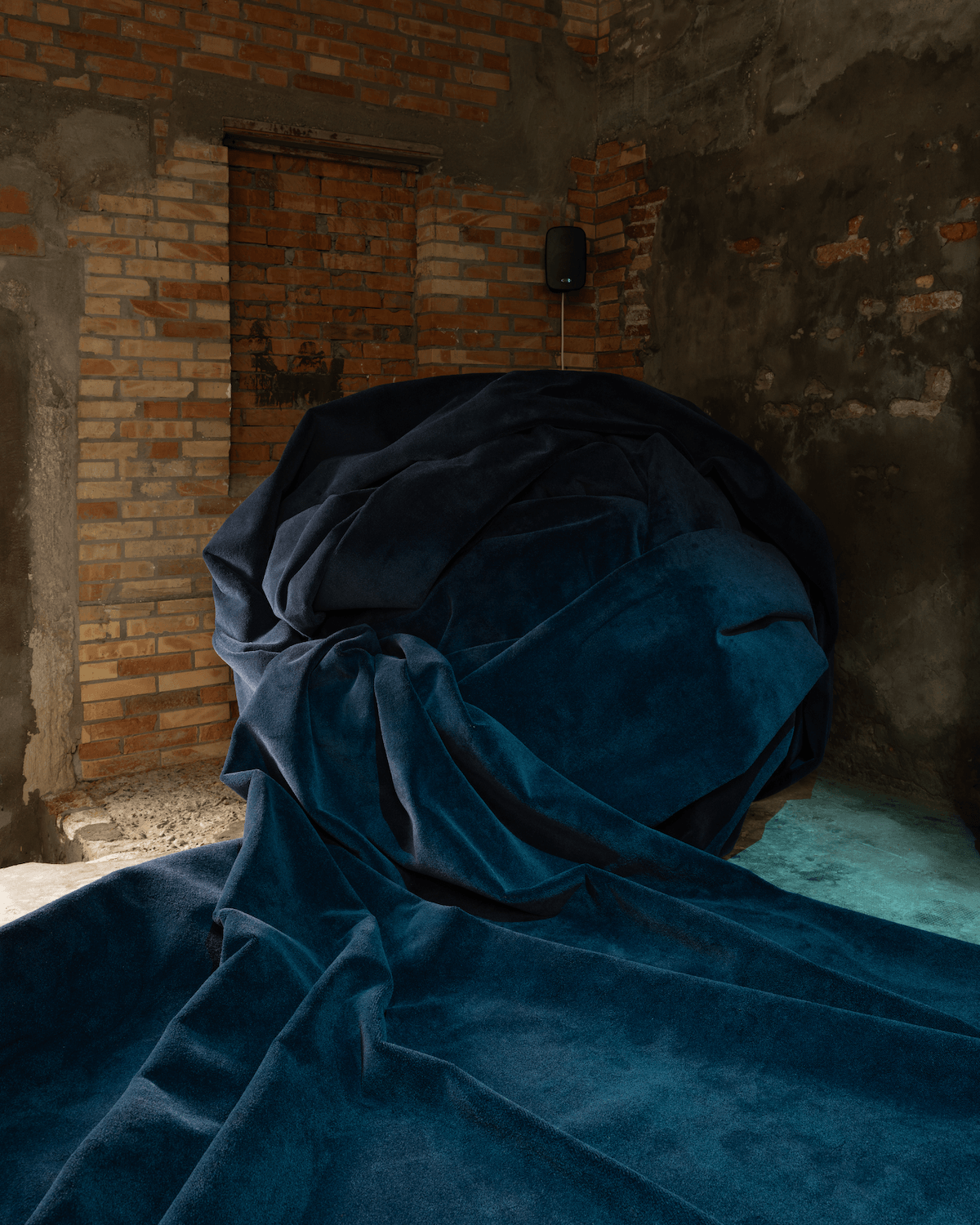
Faig Ahmed: The space consists of seven rooms, including a closed garden. All of them are covered by carpet — as one entity, one continuous pattern that flows from room to room. In some rooms, the carpet begins to lose its stability, its defined personality — becoming undefined. Every traditional carpet pattern comes from a specific geography and a specific time and carries a very exact context behind it. Here, that identity begins to dissolve.
The first thing you do when you enter is take off your shoes. I hesitated about whether to require that, but I decided to do it because during the Biennale, visitors walk an enormous amount, and they need a moment to simply relax and be with themselves. That first contact is through the body. The body connects to the work from the ground up — someone described it as having a logic of chakras, beginning from the bottom and moving upward. You are not separated from what you're feeling under your feet. If you look at what surrounds you, you are part of it — you are not outside looking in.
In the garden, there is a hidden work — directional speakers that play fragments of the poetry of Nasimi, the poet I mentioned before, who spoke of coded reality. You can hear him saying something like: “I Can Contain Both Worlds But I Do Not Fit Into This One” . By "two worlds" he means the outer and the inner — the world of the body and the universe that surrounds it, and the world of consciousness and everything consciousness can achieve. None of these worlds can contain me, he says. What I am — the energy, the power of who I am — is larger than body and mind.
That work is very hidden. There's nothing marking the spot. If you happen to cross it, you simply find it.
In one of the rooms, there is a piece of earth — actual soil — that responds to the presence of the visitor and to the connection with the ground. You can literally ground yourself there. You can meditate with it, and you can feel and hear the sound of that connection. The technology behind it is something we developed specifically for this work — a group of scientists and engineers contributed to it — because as far as we knew, it didn't previously exist.
And then there is the final work — we call it the Altar of Entropy. It's a system built on principles drawn from quantum physics. Inside this structure, you receive a message. A personal message. Everyone who enters receives it as an individual. I didn't fully understand how it would work before opening. Now, after five thousand people have gone through the experience, I understand that it is doing something genuinely interesting. It draws on theoretical physicists' hypotheses about a possible connection between human consciousness and quantum systems — the idea that consciousness itself may interact with probability at the quantum level. The altar makes that interaction tangible, or at least legible, as an experience.
Traditional Society as Battery
Hugh Leeman: You've said that society is effectively a collective order. Does that collective order — the structure you've described of rural tradition, conservatism, unspoken codes — become the very thing your work attempts to disturb?
Faig Ahmed: I think traditional society is, for an artist, something like a battery — an accumulator of energy gathered over thousands of years of cultural change. What makes an accumulator useful is that it can collect and hold energy without it all leaking away. The work I've done has been a kind of bridge — transferring some of that accumulated energy into something new that the current moment needed. I don't think there was a special reason for that. It just seems to be where life led me.
Any natural system looks for the weakest point — the place where two charges come close enough to connect and influence each other. For an audience that had no connection to tradition, my work made them think about the carpet — is it important, does it matter? And for traditional communities, it raised new questions. That exchange, that dialogue between the two charges, is the connection that makes the work meaningful.
Art as Healing: The Shaman and the Contemporary Artist
Hugh Leeman: Beneath the surface of what you've shared — traditions, taboos, cultural wounds, changing languages, changing propaganda, changing ideals — you've told me that the projects of art can heal society. What would healing look like when the wound is not only political history, but also the bodily shame, the secrecy, the inherited silences you've been touching on?
Faig Ahmed: Different sicknesses require different healings. But I see a parallel: if you compare our complex contemporary society to simpler societies where our ancestors lived — or to some communities that still exist this way — there was often one person in the village, a shaman, who performed this healing. Whatever the healing was — psychological conflict, physical illness — that person worked in a complex, non-logical language that could speak to hidden patterns.
I see today's artists doing something similar. The wound you're describing — the questions around sexuality in Azerbaijan, for instance, that have gone untouched for many decades including through the secular Soviet period — those are rising now. Society is becoming more psychologically ready to look at itself, to accept things it has been hiding from itself.
When it comes to social-political questions, artists show something that everyone is following but no one is seeing as a whole. Art metaphorizes the situation. It shows the top picture — the view from above where you can see the whole structure and find yourself within it. And that's why art has to be communicable. It cannot be disconnected from who you already are. It shouldn't ask you to become someone else just to enter it.
That is the healing. When you understand that you are part of a bigger system, something releases. The enormous, invisible weight that culture places on us — the faces we wear, the costumes we put on, the shame installed from childhood — begins to lighten. Not because it disappears, but because you can finally see it clearly from the outside.
Hugh Leeman: Do you mean that culture is literally taking energy from the individual?
Faig Ahmed: Yes. Culture in a kind of standby mode — where you are fighting to maintain it, defending it, preserving it — consumes real energy. And then new ideas arrive, sometimes not even by intention but through external forces like war. Society, faced with questions it has no answers to, accepts any explanation because our biology and psychology require at least one description of a situation more than none at all. That's also how manipulation works, and how ideology takes hold.
Choosing the Matrix, or Stepping Outside It
Hugh Leeman: To close — what is it that we haven't talked about today that you would like to share?
Faig Ahmed: The only thing I really want to share is: experience it yourself. I don't have any other message, honestly. Any other advice.
But there are many subjects we could continue to discuss — the intersection of science and culture, for instance. We're living in a very interesting time when we can look at ourselves not only as free human beings, no longer attached to old ideologies, but as cosmic beings — someone living within the cosmos, with the possibility of building any type of society we want. Of course that will still be attached to certain constraints. But it is possible to release from old disconnections and look at the world from a genuinely new perspective — as a person, and as a society.
Hugh Leeman: How does a person actually do that — accepting the new, releasing from the old?
Faig Ahmed: The most reliable method is the harder one — the way of monks. They literally detach from society, living outside of it. They release from the first instinct, which is to be near your people, near safety. They don't have sex, they have very limited food. They save that energy and redirect it toward what they choose to redirect it toward, depending on their tradition — Christian, Islamic, Hindu, Buddhist. It's a radical method.
For contemporary people, it's very hard to live as a monk. But it's possible to apply the same methodology at a smaller scale. Detaching from the screen, from the smartphone — even sometimes — gives you perspective. You come back more effective, with more clarity. And as you detach, even briefly, you feel the resistance. That resistance is actually a good sign. It means: I am not free from that yet. And when you look at yourself in that space, you see yourself more naked — not always a comfortable sight, because we carry so many faces, so many costumes, applied through social communication and shame installed since childhood.
It's a little like the character in The Matrix who says: I would rather choose the Matrix, even knowing it's all fake and simulated, than struggle the way we struggle. That's easy to understand. And we are living in an interesting moment because all knowledge is now open. We have the opportunity not to choose the matrix. But we don't yet have a form of society, a shared strategy, for how truly free and released people can live together. What would our new plan be? Because culture itself is a language — the way people walk in Japan is a different language than the way people walk in New York or in Baku. We are always inside a language we didn't consciously choose.
That conversation is just beginning.
Hugh Leeman: Faig, you have your fingers on the pulse of a very interesting heartbeat — not just of Azerbaijan, but of the world, on the Venice stage and in the undercurrents of culture. I appreciate what you're doing, and thank you for making time to share with us today.
Faig Ahmed: Thank you very much. This was one of the rare things I would not call an interview — it was truly a conversation. It's very rare that you can go this deep into different subjects with someone who is this thoughtful. And I will repeat what I said earlier, because it's an important part of what I do: it's not about objects, it's not about systems — it's about this communication with people, where we can share these kinds of ideas. Thank you.
