
And Yet, We See, Nasim Moghadam, SF Camerawork

And Yet, We See installation
The extraordinary killings and brutality that have convulsed Iran over the past six weeks are so disturbing that words alone can't convey the continuing grief that's unfolding within the country's borders. Tehran's clerical regime is still in power, but Iran is collapsing. Economically. Politically. Socially. We can't unsee what's happening in Iran, even as devastating events there overlap with parallel tragedies in the United States, Ukraine, Gaza, and elsewhere, which means that people's attention gets sidetracked, redirected, and often "numbed" to the bloody volatility that has claimed thousands of Iranian protesters' lives.
That's why Nasim Moghadam's new art exhibit at SF Camerawork is so timely, so tear-inducing, and paradoxically so hopeful. Moghadam's art has turned the small exhibit space into something that's surely needed in these times: an inviting sanctuary where people can grieve if they want, contemplate as they need, and get lost in the details of Moghadam's highly personal takes on events in her homeland. And Yet, We See isn't an overtly political or politicized exhibit nor a response to current events in Iran since Moghadam and curator Zoë Latzer planned the show last year — months before the most recent protests began roiling Iran anew.
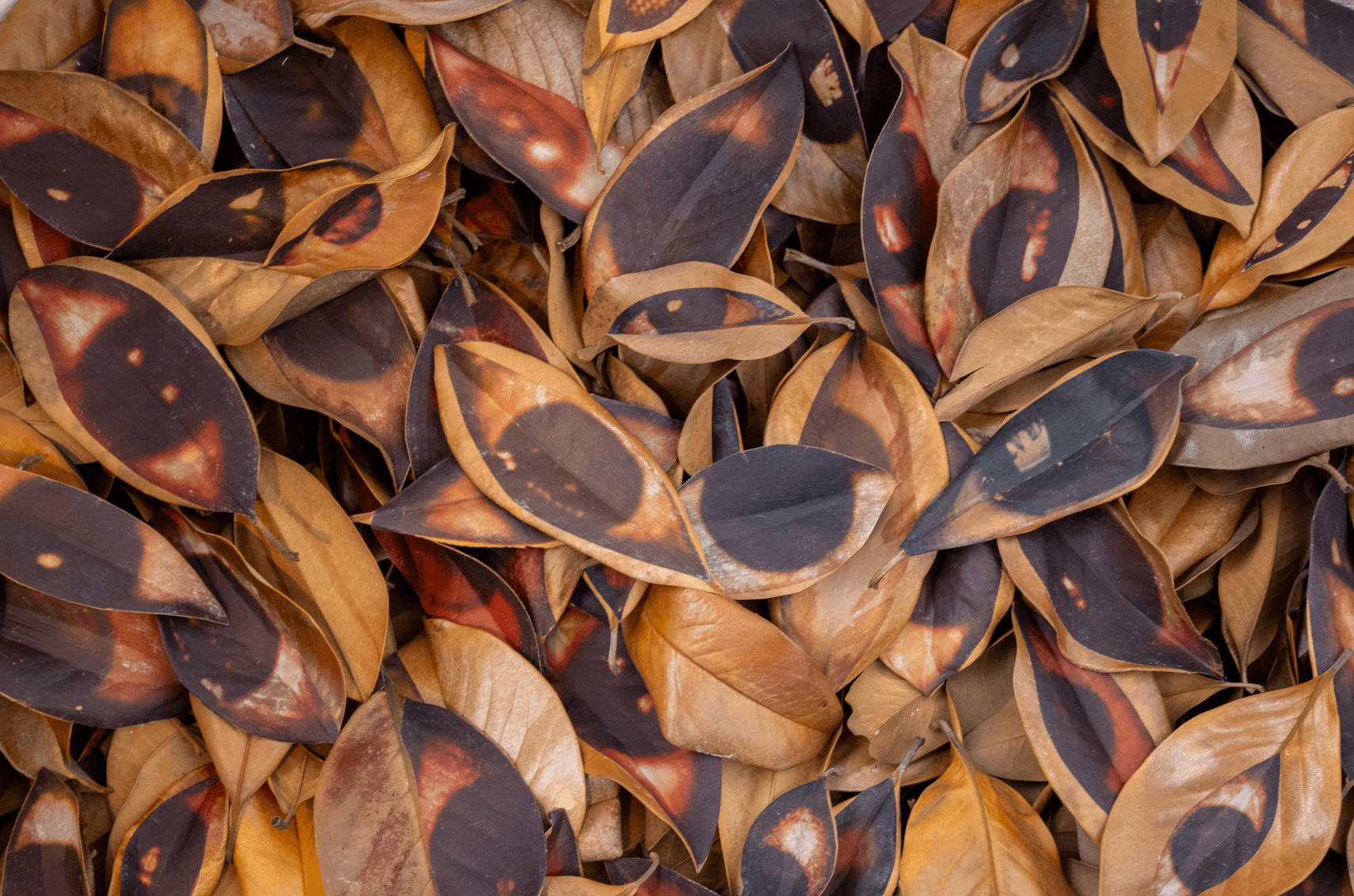
Fallen Eyes, magnolia leaves
Instead, it's Iran's previous wrenching period of protests and crackdowns – the bloody events from 2022 and 2023, where crowds chanted "Woman, Life, Freedom" in the wake of Mahsa Amini's death — that is explicitly reflected throughout SF Camerawork, as in the artwork called "Fallen Eyes," in which Moghadam has transferred images of eyes onto scores of magnolia leaves that stare back from a corner of the exhibit space. In the 2022-2023 protests, Iranian authorities deliberately targeted demonstrators' eyes — using rubber bullets, tear gas canisters, and other propellants to inflict mass injuries and deaths. Seeing eyes on leaves that are ordinarily from buoyant, blooming trees but are now on the ground in a seemingly static state of existence is a kind of Rorschach test. Are they highlighting the protesters' legacy of resistance? Their physical loss? Something more amorphous? Moghadam's wall text makes clear that "Fallen Eyes" is a mosaic of tragedy and defiance, saying her corner of leaves "transforms loss into collective witnessing, returning the gaze that was forcibly taken. Through fragility and persistence, it holds memory, grief, and resistance together — insisting that even silenced eyes continue to see."
For Moghadam, seeing her own exhibit has been emotionally challenging. Born and raised in Iran, but now living in the Bay Area, she has a sister, cousins, aunt, and uncle who still live in the country of her birth. Because Iran's government imposed communications blackouts that made it difficult, if not impossible, to call Iran, Moghadam has to wait for loved ones to call her and say they are safe — a feeling of intense unknowing that has exacerbated media reports of deaths and suffering during a period that Amnesty International has called "mass unlawful killings (in Iran) on an unprecedented scale." On the opening night of Moghadam's exhibit, she spoke with a flurry of well-wishers — but Moghadam had been so upset beforehand that she considered skipping the opening altogether, she tells me.
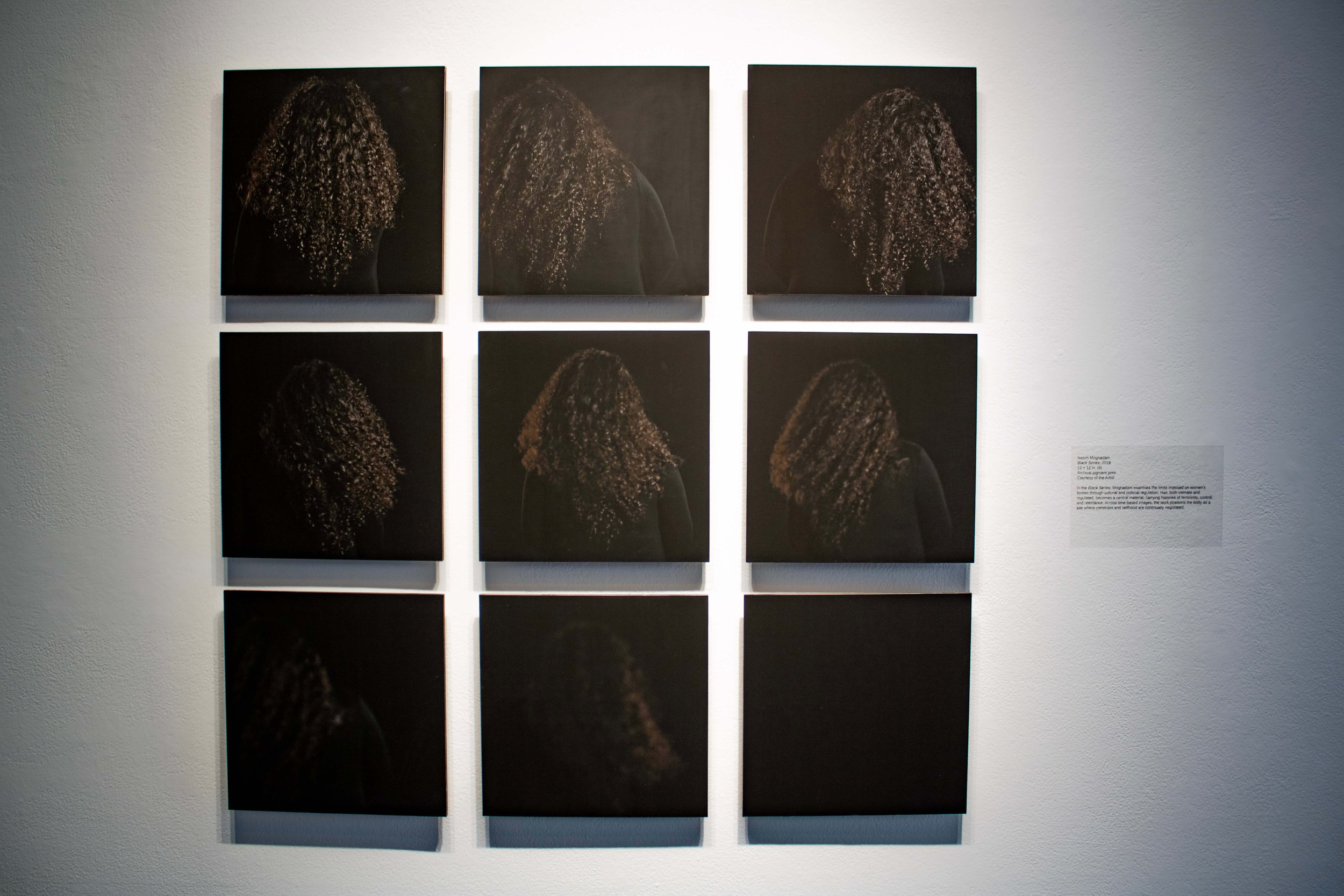
Black Series
"Usually when I have an opening, it's my most exciting day because I want to see people and I want people to look at my work," Moghadam said days later. "I want to have conversations with people. But I was crying the night before. And that day — and the whole last 2-3 weeks — was too hard just to be able to be present to have conversations with people. I really didn't want to attend my opening. However, when I did it, I was having amazing conversations with so many supportive people. And knowing how many people know about the situation — the amount of solidarity that I received — was amazing and supportive. It felt so nice to me."
That feeling of relief didn't last for long, as Moghadam adds: "Every day that I talk to my sister and my family, they are asking for help. My sister was crying the day before last night. She said, 'We hope that some help comes, because we'd rather for 80 percent to die but that 20 percent live a free life'. And that broke my heart."
Moghadam, who has an MFA in Studio Art from the San Francisco Art Institute, didn't think of interjecting her current, anguished sentiments into the SF Camerawork exhibit. "I'm one of those artists," she says, "who always avoids . . . I don't know how to say this in English, but we have a saying in Farsi, 'We don't want to follow the waves of what's happening to just show ourselves'. My concerns have always been the same. I always talk about the pressures, restrictions, and limitations placed on females and their bodies."
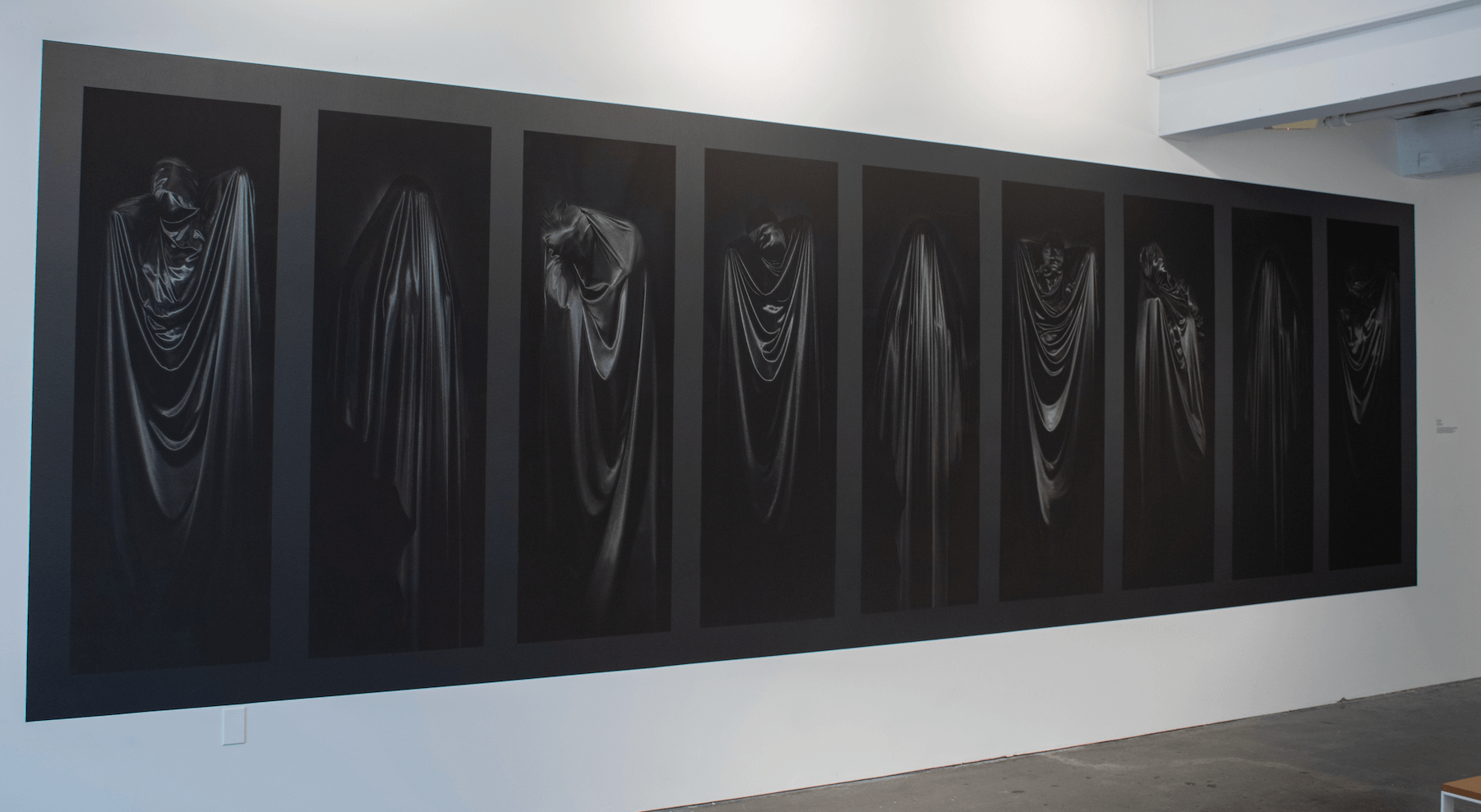
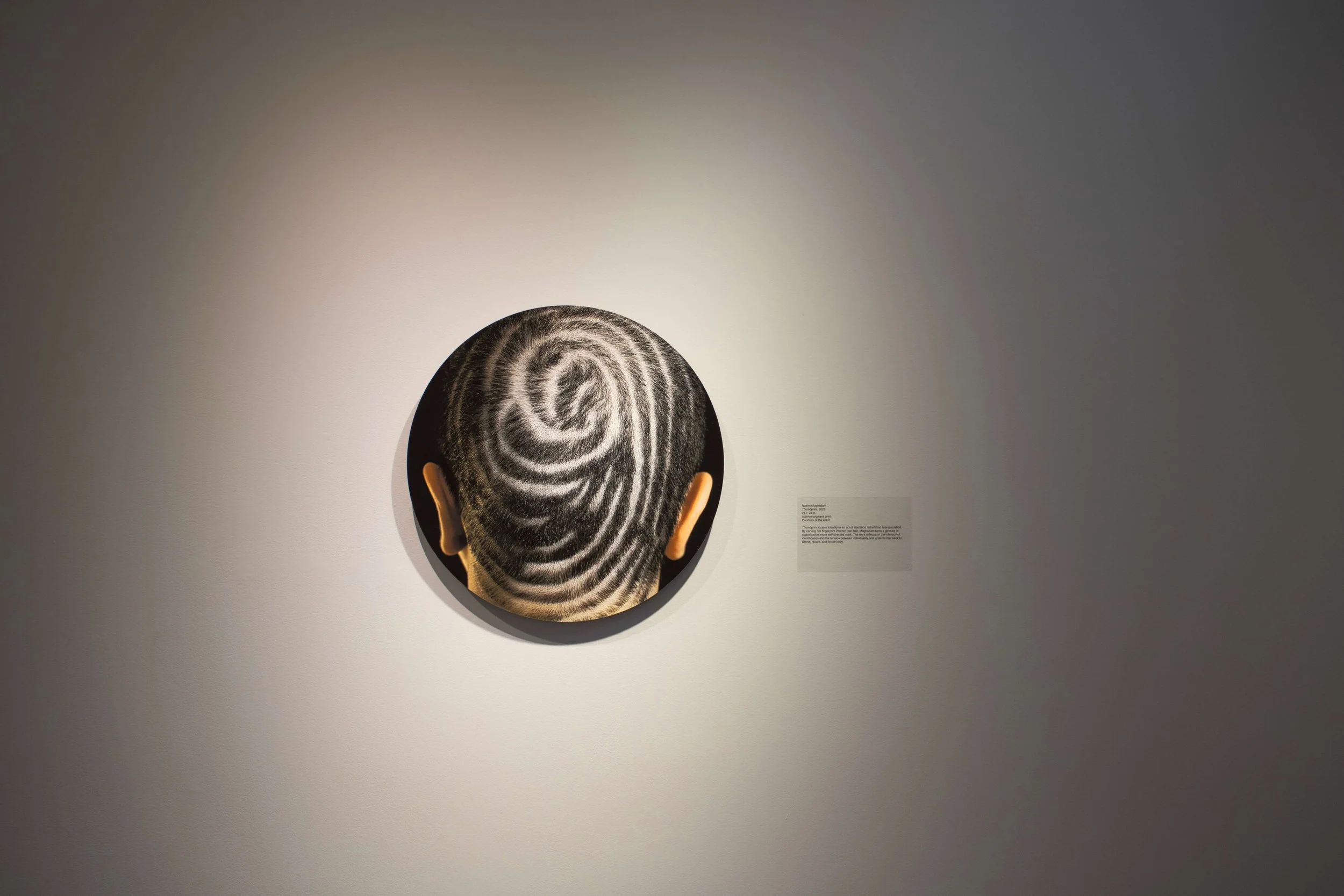
And Yet, We See features Moghadam as a proxy for Iranian women, as in "Black Bars," a nine-panel sequence of vertical photos that shows Moghadam wearing a black chador-like covering that completely veils her body through different poses; "Thumbprint," which shows the pattern of Moghadam's fingerprint strategically cut into the hair and scalp of her head (the original image is from 2018); and "Eye," a giant photo of Moghadam's face at age 16, which goes from her hairline to the middle of her nose and, like "Fallen Eyes," is an open invitation to parse out the meaning of its powerful gaze.
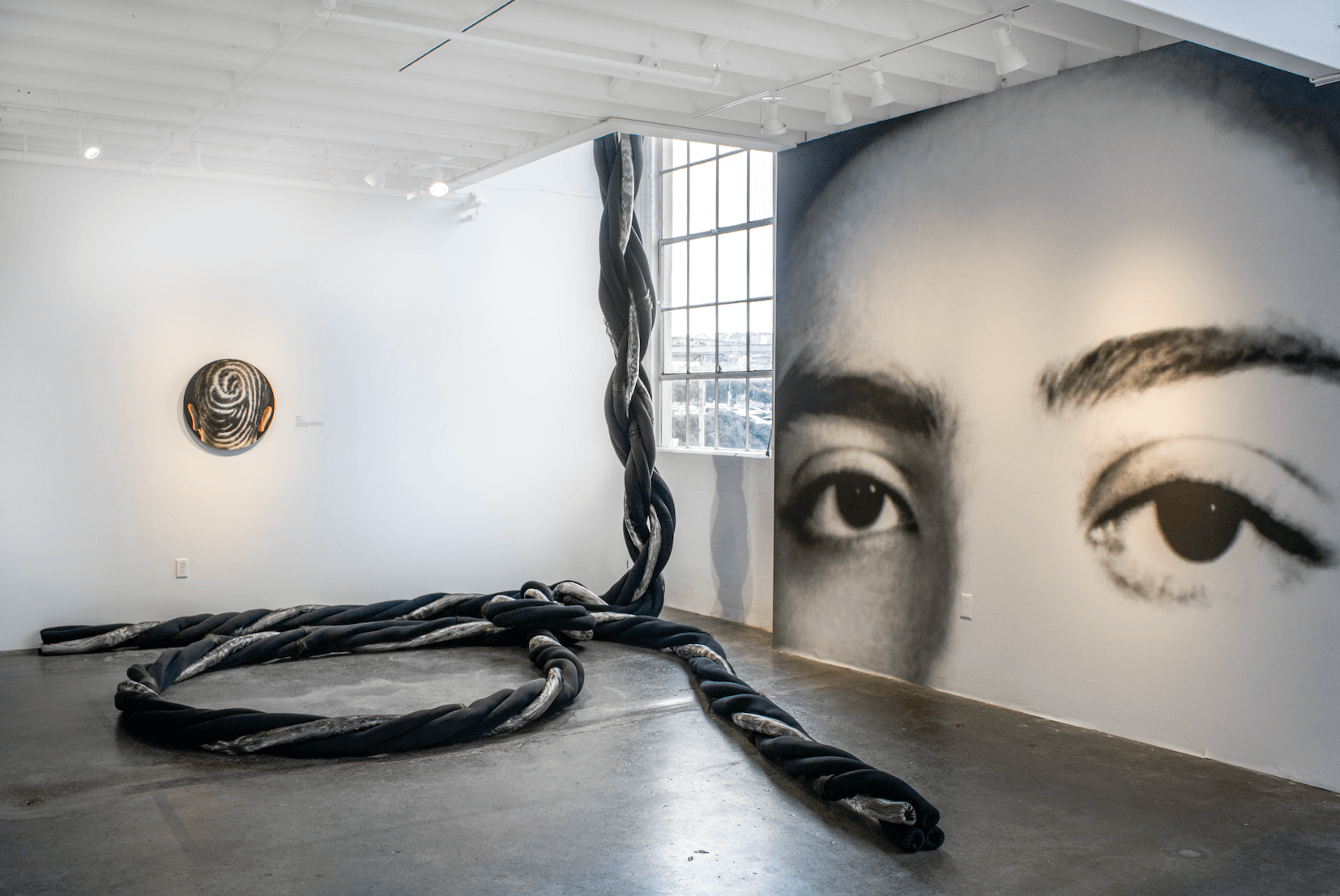
Noose II
There's a tactile undercurrent to And Yet, We See that speaks to Moghadam's art practice of not just involving her own body but the bodies of others. In "Noose II," she incorporates the hair of Iranian women (and her own hair) into a gigantic coil or foreboding rope that goes from the ceiling to the floor. For anyone who's followed Iran's traumas over the past decades, where the regime's mandatory covering of women's hair has been a constant flashpoint between protesters and authorities, "Noose II" is a visceral shock to see. Mahsa Amini's death in 2022 came after Iran's morality police arrested her for revealing her hair and ignoring strict women's hijab laws. Over the years, Iran has executed people in public by hanging them in streets, then leaving their bodies to dangle in the air for hours. The hair in "Noose II" sticks out in places as if emerging from a sarcophagus, giving the artwork an even more dramatic physical presence. (For "Noose II," women in Iran contributed their hair for Moghadam's use, giving their locks to Moghadam's mom, who then flew to the Bay Area with them.) Without reading Moghadam's accompanying wall text, "Noose II" could be construed as an almost macabre commentary on women's lives in Iran. Instead, Moghadam says, "Noose II" reflects "how restriction operates on women's lives while holding space for resilience, memory, and the persistent acts of resistance that survive within constraint."
And Yet, We See, then, is trying to be hopeful at the same time that it presents a harsh reminder of Iran's realities. This is the tension that's so palpable at SF Camerawork. Embedded in each artwork is darkness and light, tragedy and hope, and constraint and resistance. In a small but airy exhibit space whose windows overlook the Bay and anchored sailboats, there's no escaping these dichotomized, tension-filled layers within Moghadam's art. She knows that better than anyone – which is why talking with people at the exhibit's opening was so hard. On opening night, I saw the happy face she put on, but the eyes and faces that visitors see on the exhibit artwork — the ones that are covered in shrouds or seem to be searching for the truth — are more accurate reflections of Moghadam's inner life. The faces don't shout out in voice or erupt via video or do anything that resembles an urgent media/social media report. In this way, Moghadam's art conveys silent cries of exposition. We don't see any tears, but we know they're there. In fact, it's what we don't see but feel that turns And Yet, We See into an in-depth space for reflection about events in Iran. It's a country that's halfway around the world, but now seems closer than ever as we recognize the similarities between street protests in Tehran, demonstrators in Minnesota's Twin Cities, and people everywhere who are saying, "Enough is enough!"
"This," Moghadam says, "is the most painful time for us."
