
Can you describe your work, what you’re working on now, and your preferred medium or subject matter?
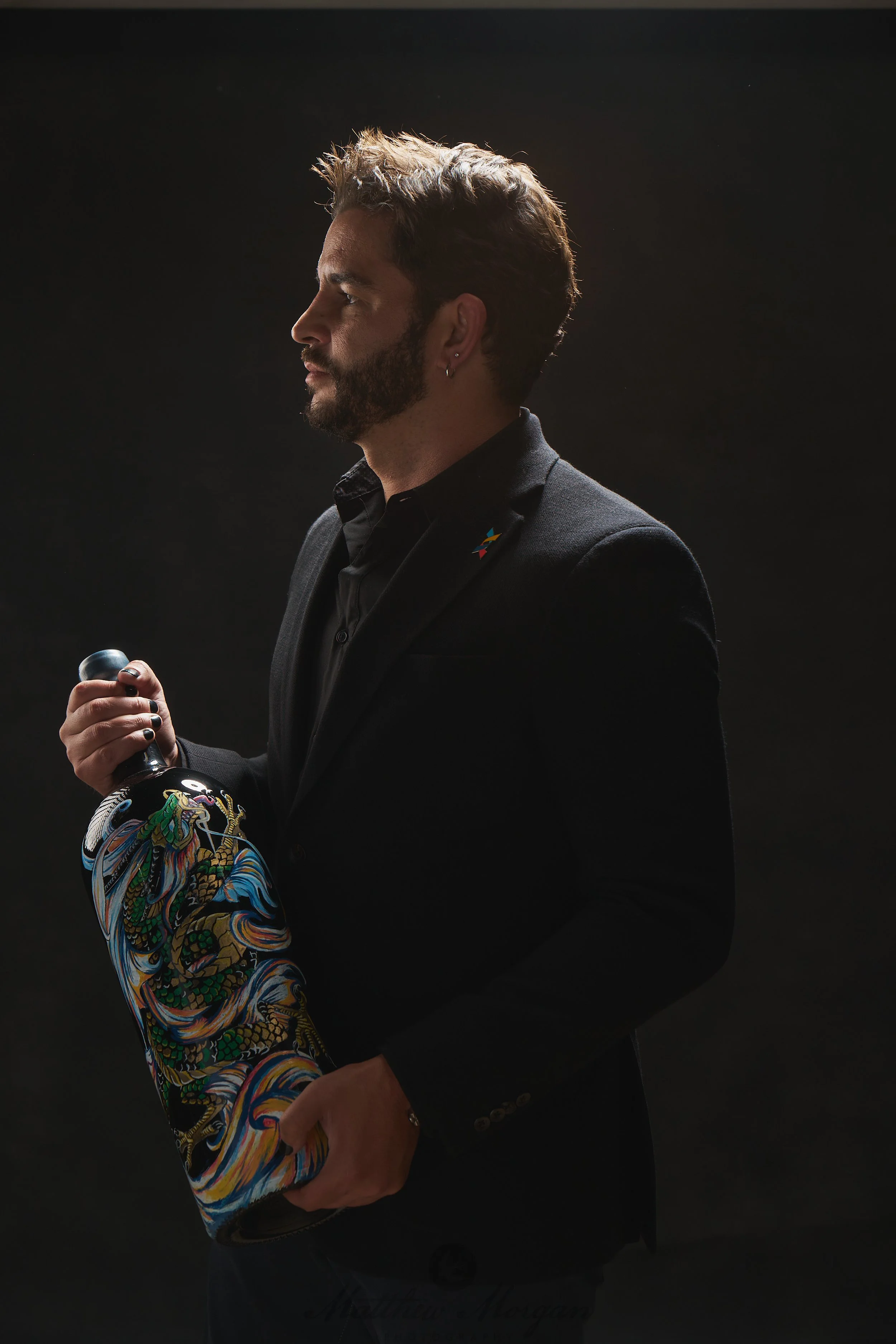
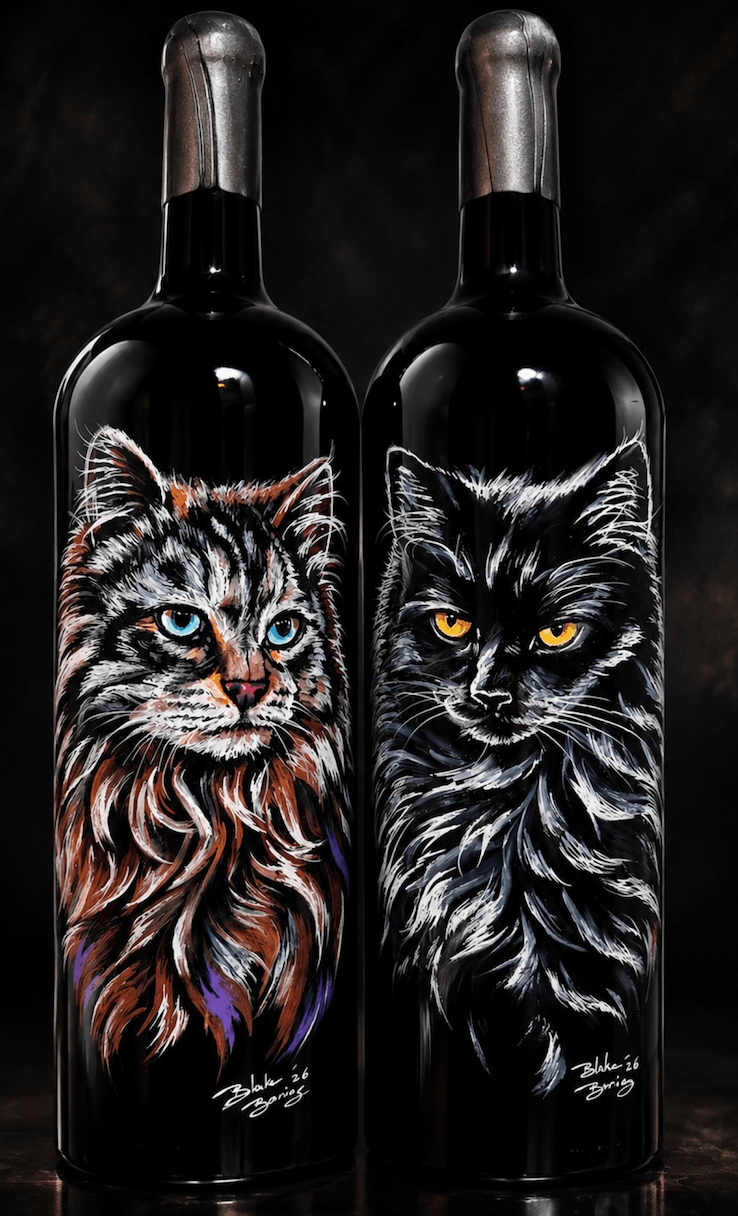
I’ve never believed art should be confined to a canvas. My work lives on everything from hand-painted wine bottles and guitars to large-scale murals and collaborative installations. I founded Rebellium Wines & Studio to bring together two worlds I’ve spent much of my life in—art and wine.
I gravitate toward bold imagery, movement, contrast, and pieces that tell a story. I love working on unconventional surfaces because they challenge me to think differently. A wine bottle can become a sculpture, a guitar can become a statement, and a mural can bring an entire community together.
Lately, I’ve been working on custom projects with wineries, musicians, and charitable organizations, including pieces connected to the Milwaukee Brewers and collaborations throughout Napa Valley. I’m also spending more time teaching young artists. That’s become one of the most meaningful parts of what I do.
Where can people see your work? Are you exhibiting anywhere, and do you welcome studio visits?
My work can be found in private collections, wineries, charitable events, and collaborations with musicians and organizations across the country. I’ve never relied on traditional galleries or exhibitions to showcase my art. I prefer creating experiences and personal connections that allow the work to speak for itself.
Much of my journey and projects have been documented in the media, so a simple search of my name offers a good look into what I’ve been doing.
I also welcome private studio visits by appointment, where people can experience the work and the stories behind it firsthand.
How did you become an artist? Did you have formal training or a defining moment?
I’m a self-taught artist, and my path was anything but conventional.
Growing up, I struggled in school, and I know what it’s like when traditional ways of learning don’t necessarily bring out your strengths. Creativity gave me another way to see the world and recognize what I was capable of.
I spent roughly eighteen years working in the wine industry, building relationships and learning the business from the inside. Art eventually became a way to combine my creativity with those experiences.
There wasn’t one magical moment when everything changed. It was more of a realization that I could build something meaningful by following my own instincts rather than waiting for permission.
One of the biggest turning points was discovering that my artwork could help people. When something I created started generating real support for charitable causes, it changed how I looked at being an artist.
I stopped thinking only about what I could create and started thinking about what that creation could accomplish.
My own experiences growing up are also a big part of why I enjoy encouraging young people to discover their strengths through creativity.
What is the most challenging thing about being an artist today? What are your thoughts on the changing gallery landscape?
The biggest challenge is that being a talented artist and making a living as an artist are two completely different things.
You can create incredible work and still struggle to get it in front of the right people. The traditional gallery system has its place, and I respect the people who keep it alive, but I don’t believe an artist’s success should depend on being accepted into that system.
I’ve built much of my career through relationships, collaborations, live painting, charitable events, and creating experiences around the artwork.
I think the landscape is changing because artists have more opportunities to represent themselves. That’s exciting, but it also means you’re not just an artist anymore. You’re running a business, building an audience, and constantly finding ways to keep creating.
The challenge is doing all of that without losing the reason you became an artist in the first place.
Have you organized exhibitions? What kind of exhibition would you like to create?
I’ve organized and participated in collaborative art experiences, particularly live painting events where people become part of the creative process.
I’m much more interested in bringing people into art than asking them to stand quietly in front of it.
If I could create my ideal exhibition, it would bring together visual artists, musicians, winemakers, and young emerging talent. I’d want people to experience the creative process in real time, not just see the finished product.
And I’d want the exhibition to serve a purpose. Imagine an event where every piece sold helped fund arts education or provided opportunities for young people who otherwise might never have access to professional supplies or mentorship.
That’s the kind of exhibition I’d love to build.
Should art make political or social commentary? Does your work do that?
Absolutely, although I don’t believe every piece of art needs to make a political statement.
Art has always been a powerful way to communicate things that words sometimes can’t. It can challenge people, bring awareness to injustice, or simply remind us of our shared humanity.
My work tends to focus more on social impact than politics. I’ve spent years using art to support causes involving children, health, and people facing difficult circumstances.
I believe artists have a responsibility to use their voices when something matters to them. But I also believe that creating something beautiful, inspiring someone, or giving a young person hope can be just as powerful as making a statement.
Sometimes the most meaningful message is what happens because of the artwork.
Does art reflect an artist’s identity, diversity, and background?
I believe every artist brings their own experiences into their work, whether they realize it or not.
Our backgrounds, struggles, relationships, and the people we’ve encountered shape how we see the world. That perspective naturally becomes part of what we create.
My own work reflects the different worlds I’ve been fortunate enough to experience—wine, music, philanthropy, and the communities I’ve worked with.
I don’t necessarily approach a piece thinking about identity or categories. I’m more interested in the human connection.
One of the most beautiful things I’ve experienced while volunteering is working with young people who face challenges communicating, whether because of disabilities, language barriers, anxiety, or simply being shy.
When I bring them together to create something, those barriers begin to fade. They find ways to express themselves, collaborate, and understand one another without needing the same words.
That’s what I love about art. It has its own universal language, one that allows people from completely different backgrounds and abilities to connect, feel included, and be heard.
Sometimes the most powerful conversations happen without a single word being spoken.
What should artists be talking about right now?
Access and opportunity.
There are incredibly talented young people in underserved communities who may never discover their creative potential simply because they lack the resources, encouragement, or opportunities to explore it.
I can relate to young people who may find their strengths outside of traditional learning environments. That’s one of the reasons I love spending my time inspiring the next generation.
I volunteer with Teen Wild, which is helping create a safe park and recreation center for American Canyon and Vallejo. I’m working alongside students to create murals for the park, teaching lessons in artistic techniques, and providing professional art supplies to help them develop their skills.
For me, it’s about more than creating artwork. It’s about giving young people confidence, a creative outlet, and something they can take pride in for years to come.
I think artists should be talking more about how we create opportunities for the next generation, not just how we advance our own careers.
Outside of artmaking, what cultural projects or hobbies interest you?
Music has always been a huge part of my life. I’ve had the opportunity to collaborate with musicians and create custom guitars that connect visual art with live performance.
There’s something surreal about seeing an instrument you’ve painted being played onstage by an artist you’ve admired.
I’m also deeply involved in charitable projects. I’ve worked with organizations supporting children, medical research, mental health awareness, and community programs.
One of my favorite things is bringing different worlds together. A winemaker, a musician, an artist, and a nonprofit might seem like an unlikely combination, but those collaborations can create something extraordinary.
Which contemporary or historical artists inspire you?
My inspiration doesn’t necessarily come from traditional artists. I’ve always believed everything can be an art form, even business. I’m inspired by people who think outside the box, challenge convention, and encourage creativity in others.
John Peacock of Pensacola, Florida, inspires me through his philanthropy and commitment to making a difference in people’s lives. Juan Porter, whom I grew up around in Napa, inspires me as an innovative entrepreneur who understands the art of thinking differently.
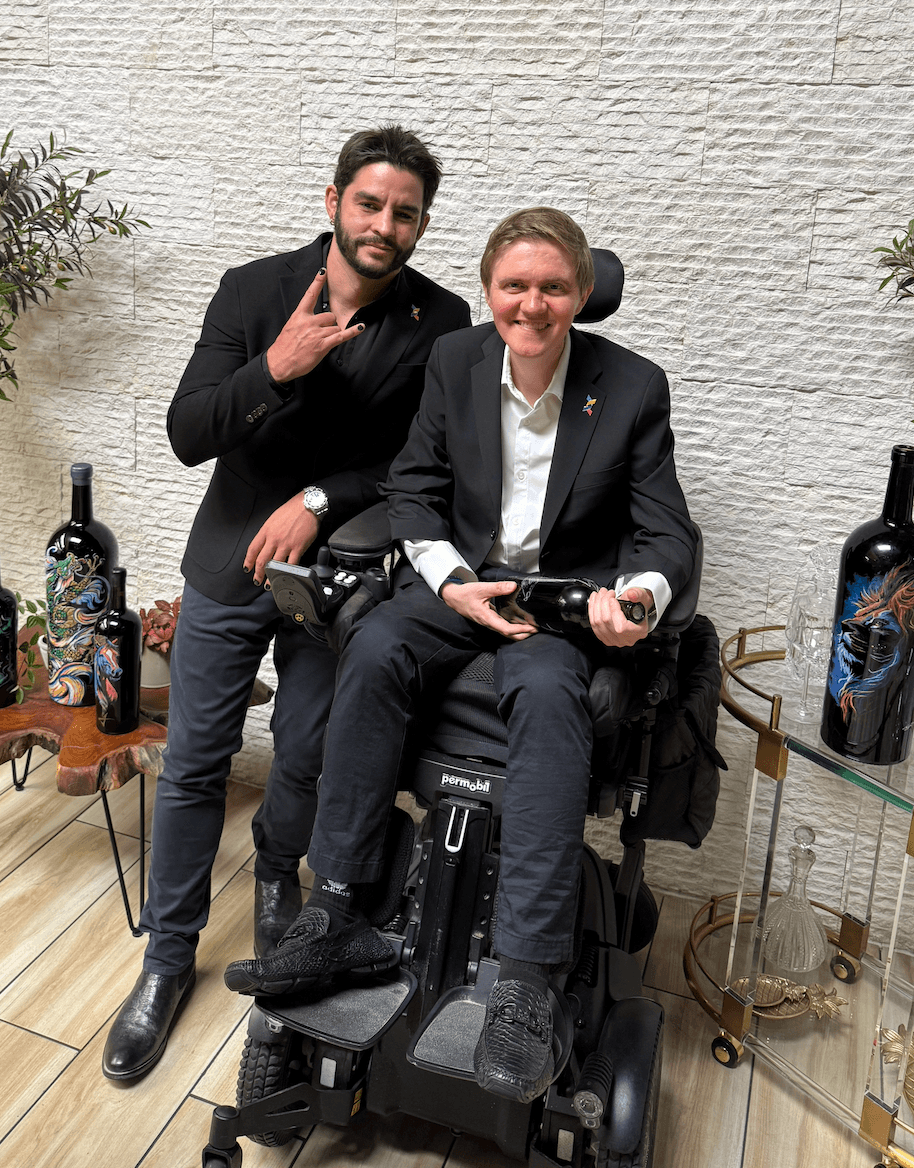
Another person who has inspired me in a very personal way is Hawken Miller. We participated in a photoshoot together to help raise awareness and funds for Cure Duchenne. As comfortable as I am expressing myself through art, I’m naturally shy when the camera is pointed at me. Hawken brought an energy and confidence that made the entire experience feel effortless. Having him there reminded me that the moment wasn’t about having my photograph taken. It was about using that moment to serve something much greater than myself. He probably doesn’t realize how much confidence he gave me that day.
Some of my greatest inspiration also comes from my students. Their imagination is fearless, their ideas are unfiltered, and they remind me that creativity doesn’t need permission or a set of rules.
To me, being an artist isn’t defined by what you create, but by how you see the world and what you choose to do with that vision. Sometimes the people we set out to inspire end up inspiring us the most.
Do you have a favorite piece of public art?
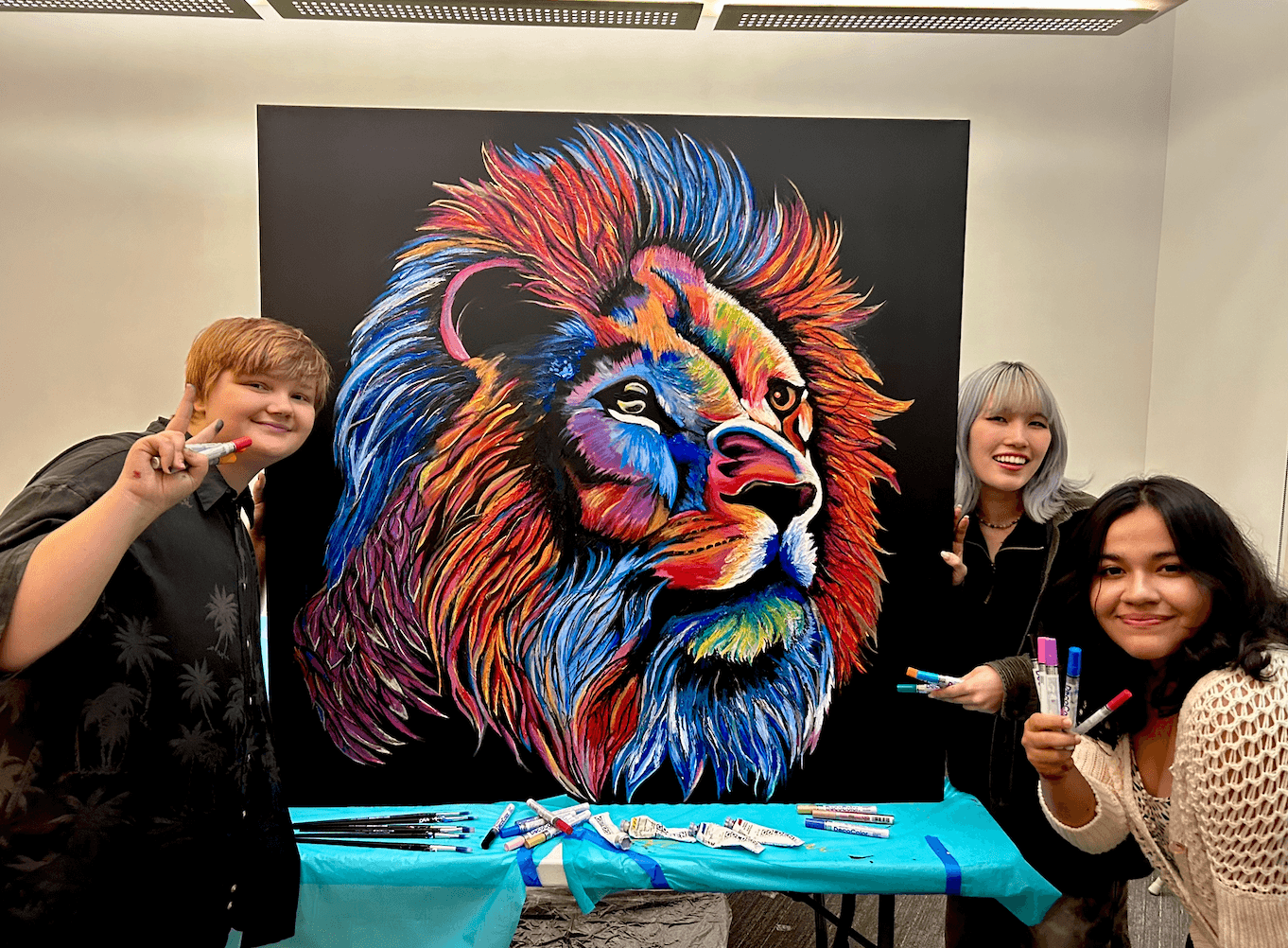
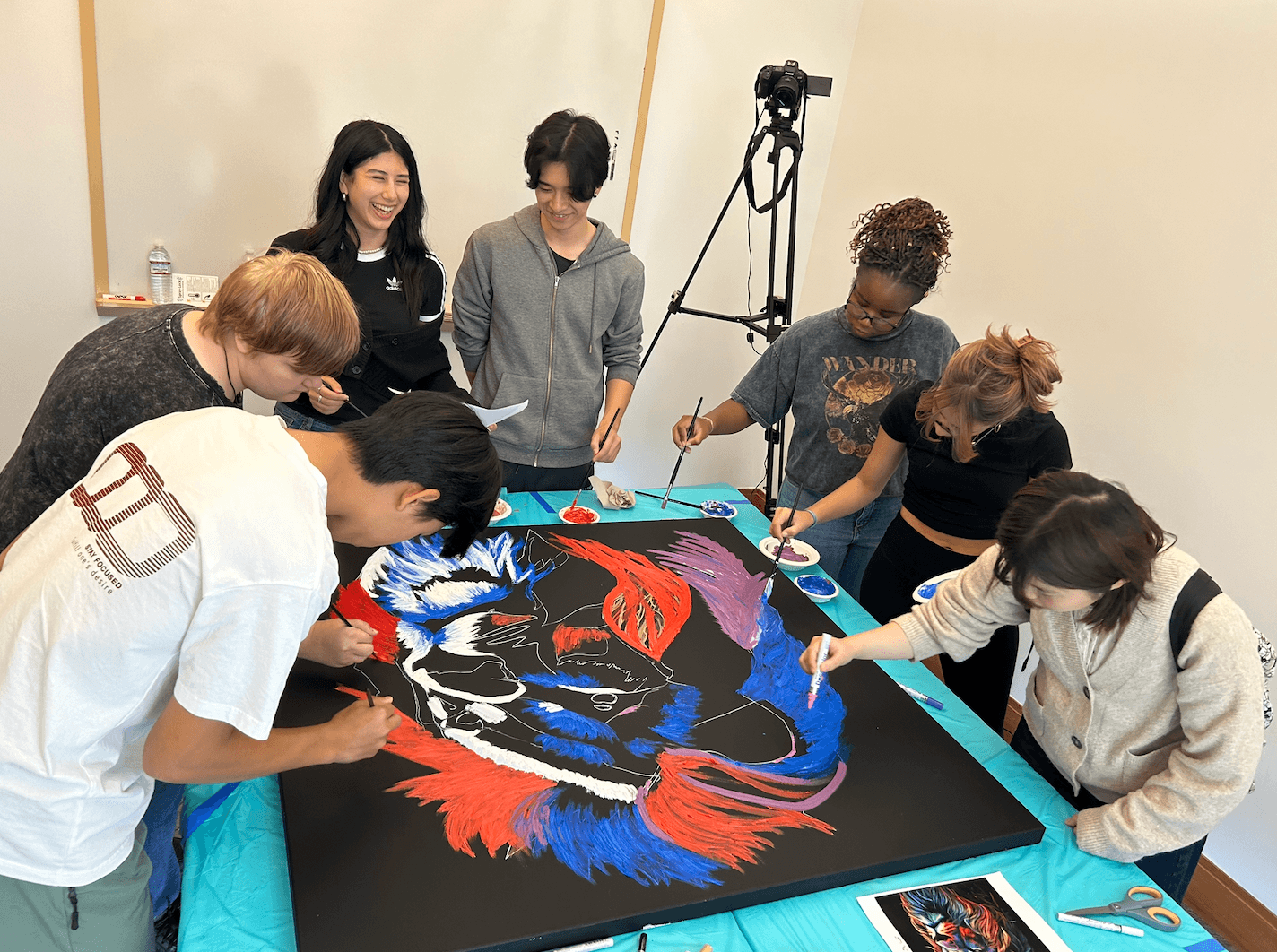
My favorite piece of public art is the lion mural I created with students at Soka University. I had the opportunity to teach them through the creative process, with the project helping raise money for scholarships.
What makes that mural special to me isn’t just the finished artwork. It’s the experience of creating something together, watching students discover their abilities, and knowing the project would help open doors for others.
Those moments are why I love teaching. The artwork is something we leave behind, but the confidence and inspiration students take with them can last a lifetime.
That’s what I believe public art should do. It should bring people together, inspire them, and leave something meaningful behind. To me, that’s art with purpose.
What art do you live with, and how does it influence your work?
I surround myself with art from all over the world, representing different cultures, backgrounds, and walks of life. My collection ranges from pieces found in galleries to artwork displayed on cardboard by a homeless artist on the street.
I’ve never believed the value of art should be determined by a gallery, a price tag, or someone’s reputation. I’m drawn to the creativity, the story, and the person behind it.
I love supporting artists at every stage of their journey. Every piece I bring home reminds me that talent exists everywhere, and sometimes the most meaningful art comes from the most unexpected places.
How do you feel about social media? Has it helped your career?
I’ve never put much faith in social media. I believe in personal connections, real relationships, and the impact you make on people face-to-face.
I’ve built my career through those experiences, not by chasing followers or online attention.
If someone wants to know more about me or my work, a simple search of my name will tell much of the story through the media coverage and projects I’ve been fortunate to be part of.
I’d rather leave a lasting impression on someone’s life than a temporary impression on a screen.
What does a sustainable life as an artist look like? Is the art world honest enough about money?
I think we need to be much more honest about the financial realities of being an artist.
People see a finished piece and sometimes assume the price reflects a few hours of painting. They don’t see the years of experience, failed experiments, materials, travel, relationships, and sacrifices that made that work possible.
I’ve spent years learning how to balance creativity with business. My background in the wine industry gave me an understanding of relationships, sales, and the importance of building something sustainable.
I also believe artists should be compensated fairly for their time and talent. Being passionate about your work doesn’t mean you should be expected to give it away.
For me, sustainability means being able to support my family, continue growing creatively, and still have the freedom to donate my time and artwork to causes I believe in.
Success isn’t just what you earn. It’s what you’re able to do with the opportunities you’ve created.
What are you unwilling to compromise on, even if it would make your work easier to sell?
Authenticity.
I’ve never wanted to create something simply because it’s fashionable or because someone tells me that’s what collectors want.
I want my work to have character. Sometimes that means taking risks, experimenting with materials, or creating something that doesn’t fit neatly into a category.
I’m also unwilling to compromise on the purpose behind what I do.
Art has opened doors for me that I never imagined, and I believe there’s a responsibility that comes with that.
If I can use my talent and relationships to help someone else, especially a young person who needs an opportunity, that’s something I never want to lose.
Whose opinion of your work matters most to you?
The people who are genuinely moved by it.
Of course, I value the opinions of people I respect, especially those who have supported and challenged me along the way.
But some of the most meaningful reactions I’ve experienced have come from people who aren’t collectors or art critics.
A young student who’s suddenly proud of something they created. Someone who connects with a piece because it reminds them of a loved one. A person who sees a charitable project and decides they want to help.
Those reactions remind me that art is about connection.
And ultimately, I have to be proud of what I create when nobody else is watching.
If you had unlimited money, space, and time to create one project, what would it be?
I’d create a national arts initiative for underserved youth.
I’d build creative spaces where young people could work alongside professional artists, musicians, and mentors, with access to materials and opportunities they might otherwise never experience.
It’s a vision I’ve already shared with Fiona Ma, California’s Lieutenant Governor-elect, a close supporter of my work and a strong advocate for the arts. Having conversations with people who believe in the power of creativity gives me hope that something like this could one day become a reality.
I’ve always believed talent exists everywhere, but opportunity doesn’t. Some of the most creative minds I’ve encountered are young people who simply needed someone to give them the tools and encouragement to express themselves.
I would bring together the relationships I’ve built throughout the wine, music, and art worlds to support it.
Imagine a young person who has never held a professional paint marker getting the opportunity to collaborate with an artist, exhibit their work, and see that creativity could become part of their future.
That’s where my heart is, and where I’d love to continue investing my time and resources.
Over the years, I’ve been fortunate to use my artwork and collaborations to help raise millions of dollars for charitable causes. But what means the most to me isn’t the amount raised; it’s the lives those efforts have touched. With unlimited resources, I’d want to turn that impact into something permanent, something that continues inspiring young people long after I’m gone.
What current art trends do you support? Which do you think will disappear?
I love seeing art move beyond traditional spaces.
Artists are experimenting with unconventional materials, immersive experiences, live collaborations, and new ways of connecting directly with audiences.
That’s something I’ve believed in for a long time. Art doesn’t have to exist only in a frame on a wall.
What concerns me is when the conversation becomes more about hype than substance.
Trends come and go, and technology will continue changing how people create and consume art. But I believe originality, craftsmanship, and emotional connection will always matter.
I’d rather create something that means something to one person for a lifetime than something that gets attention for a week and is forgotten.
What do you think about celebrities becoming visual artists?
I believe in one love and appreciate all forms of creative expression. Whether someone is a musician, actor, athlete, or lifelong visual artist, everyone deserves the freedom to explore their creativity.
I’ve been fortunate to establish my own career as an artist, and I don’t see creativity as a competition. I’ve always believed art has no boundaries, and the more people expressing themselves creatively, the better.
Art should bring people together, not create division.
There’s room for everyone to create, inspire, and make a difference.
If a collector wanted to take you to dinner anywhere, where would it be? And where would you recommend an inexpensive meal?
I’ve been fortunate to experience some incredible places through my work in Napa Valley, and I appreciate a great meal as much as anyone.
But for me, the company and conversation matter more than the price of dinner.
I’d happily sit down at an extraordinary restaurant with someone who shares a passion for art, wine, and giving back. I’d be just as comfortable grabbing a burger or tacos with a young artist and talking about their dreams.
Some of the most meaningful relationships in my life started with simple conversations. You never know where the next opportunity, friendship, or collaboration will come from.
I’ve always believed that one person, one idea, or one act of kindness can make a difference. It’s a belief that has shaped both my art and my life, and one that Rob Siltanen captured beautifully in Here’s to the Crazy Ones:
“The people who are crazy enough to think they can change the world are the ones who do.”
To me, that’s what Art with Purpose is all about.
