
Adam Leao
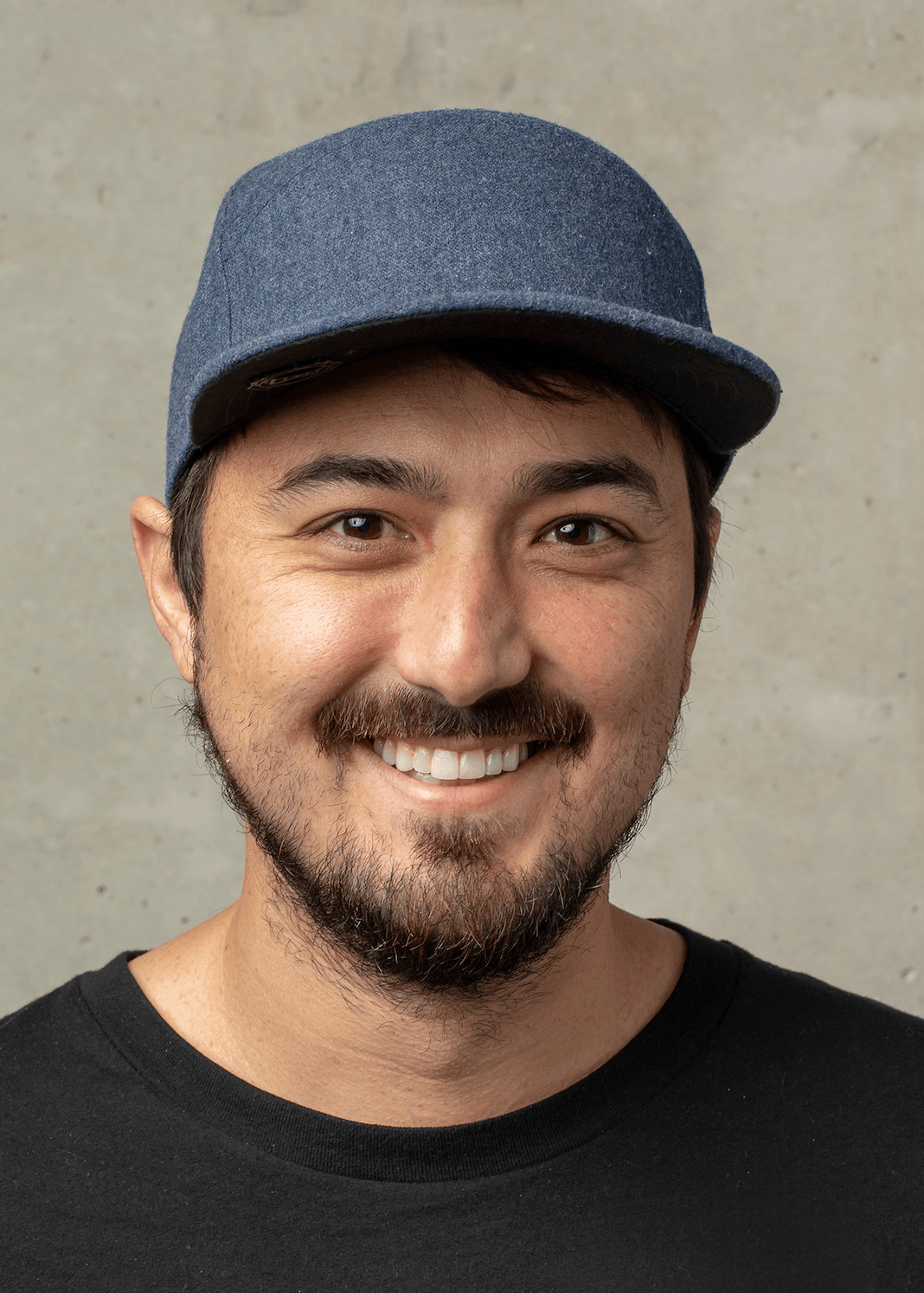
Adam Leao is a Bay Area filmmaker and award-winning producer. After over a decade making rideshare platforms and burrito delivery apps look cool, he’s now directing documentaries about the real human stories on the streets of San Francisco. No ROI required.
Leao is the director of San Francisco Rising, a documentary that follows a year in the life of San Francisco as it attempts to find its footing after an era of turmoil and tough headlines, told through the voices of everyday residents: a homeless advocate, a Muni driver, artists, event-goers, and the people who quietly honor the unclaimed, the film pieces together a living mosaic of hope, grit, and community.
The following are excerpts from Adam Leao’s interview, as conducted by Hugh Leeman.
Editor’s note: Hugh Leeman appears briefly in Adam’s documentary San Francisco Rising.
From Bronze Lions to the Streets of San Francisco
Hugh Leeman: Adam, the first thing I learned about your work was that you won a Bronze Lion at the Cannes Film Festival for commercial work you had done. And then you quit your job and decided to make a year-plus-long personal film project with no major funding. It was quite a leap. What was your inner dialogue like in leaving a secure job to create this documentary?
Adam Leao: Great place to jump off. And it's so funny that you're interviewing me now — I've interviewed you for my documentary. But yeah, leaping off of that — the Lion award was funny because I'd done a lot of creative projects for marketing teams. That project in particular was the Postmates Don't Cook Book. Instead of cooking, it gives you a recipe and at the end says, just forget it and order it on Postmates — with a QR code to order that item. Really cool photography and artwork from food photographers and food stylists. I did a little bit of work helping organize it, but it wasn't one of my biggest or most meaningful projects. And that won the award.
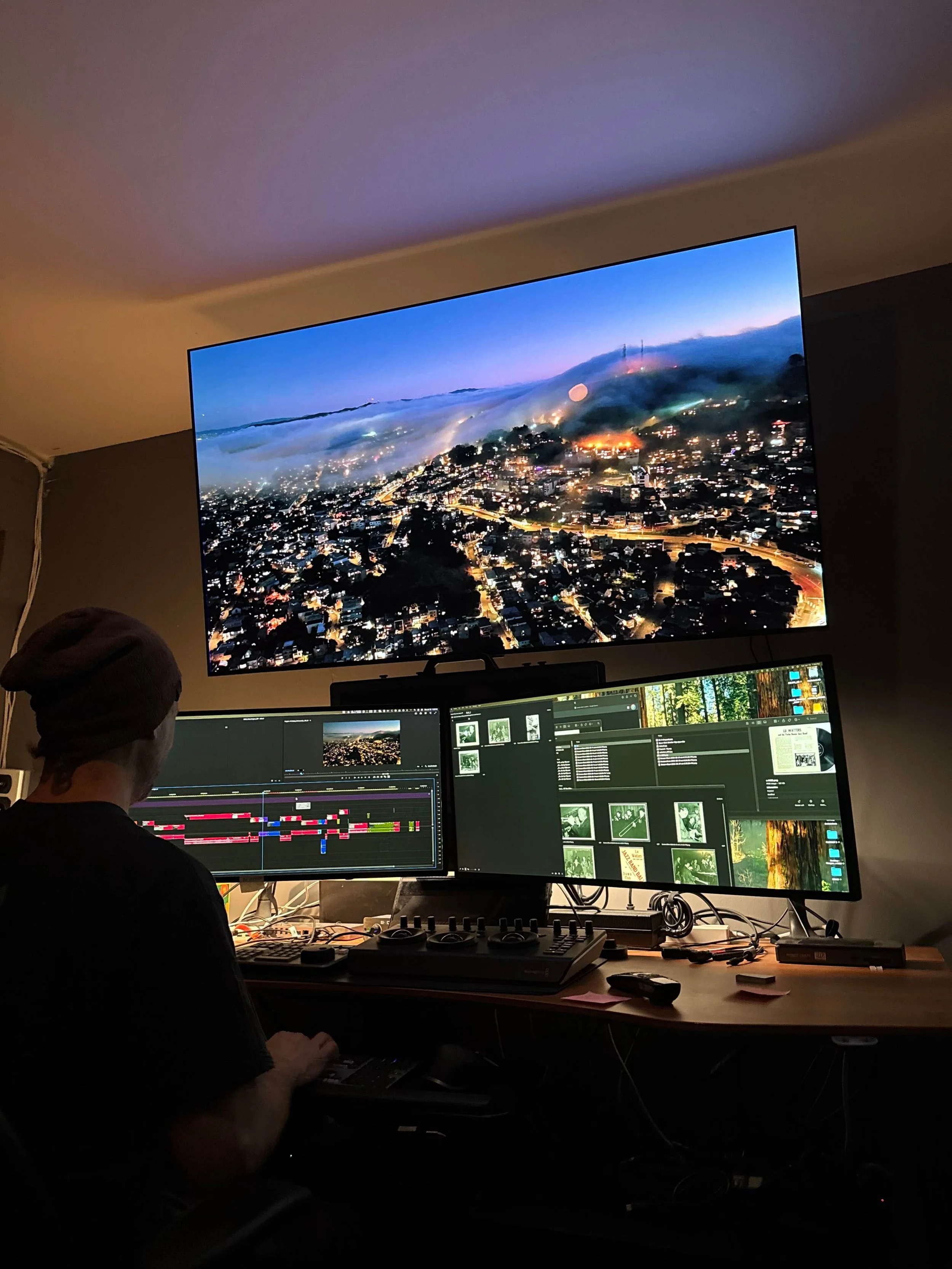
Then I'd do another project that I thought was really powerful — an AAPI Asian lunch thing where celebrities would talk about how they were made fun of for their Asian lunch as a kid, and now you could order their school lunch on the app. That one wins nothing. It's just funny within the corporate world — what gets rewarded isn't necessarily the meaning and the power behind the idea. Sometimes things are marketable and sell well and are cool. I think that also tied into why I wanted to leave the corporate world. Being on a creative marketing team is awesome if you're creative and want a job, but over time it can be a little creatively deteriorating, because everything at the end of the day is for a sale or a delivery or a new product. Marketing burritos or car rides. I had this itch — I went to film school, I grew up loving film and storytelling — to make something of my own just for the purpose of making it. So after about a decade in tech, I was ready, probably skill-wise but also financially and mentally, to take a year — which turned into like two years — to do this documentary project.
The Unclaimed: Spreading Ashes Under the Golden Gate
Hugh Leeman: You mentioned the word meaning, and that it was perhaps a little devoid of meaning doing some of those projects. The documentary you made is beautiful in its sense of connecting with people and the meaning in their lives — you interview everyone from the mayor of San Francisco to a social media influencer to those deeply impacted by the opioid epidemic. I want to focus on a very touching scene in which you're on a boat riding out to where the San Francisco Bay meets the Pacific Ocean. The boat goes under the Golden Gate Bridge, and you begin documenting a process in which the unclaimed ashes of individuals are spread at sea. Can you tell the story of who these people are who are spreading the ashes of the unclaimed?
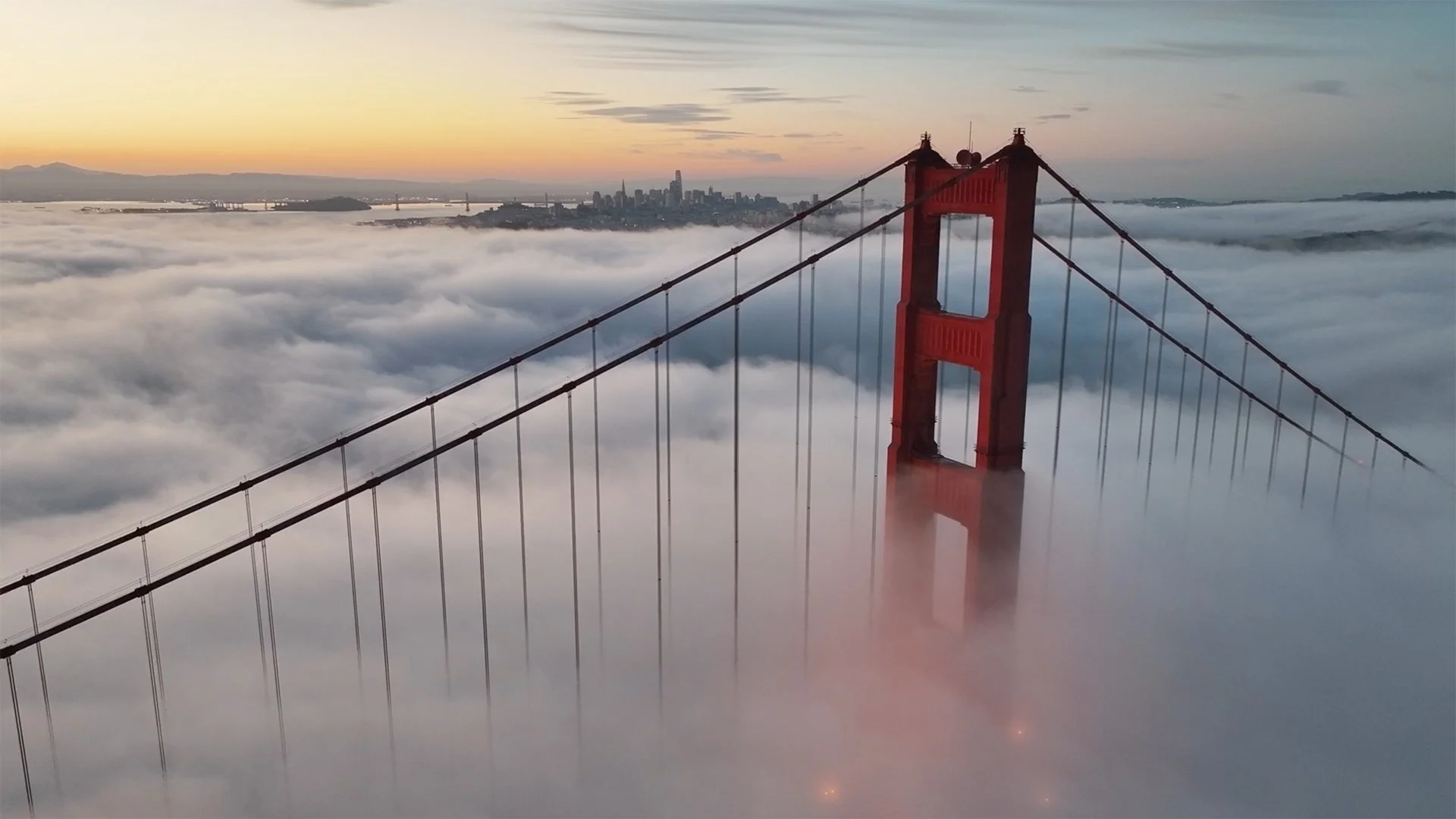
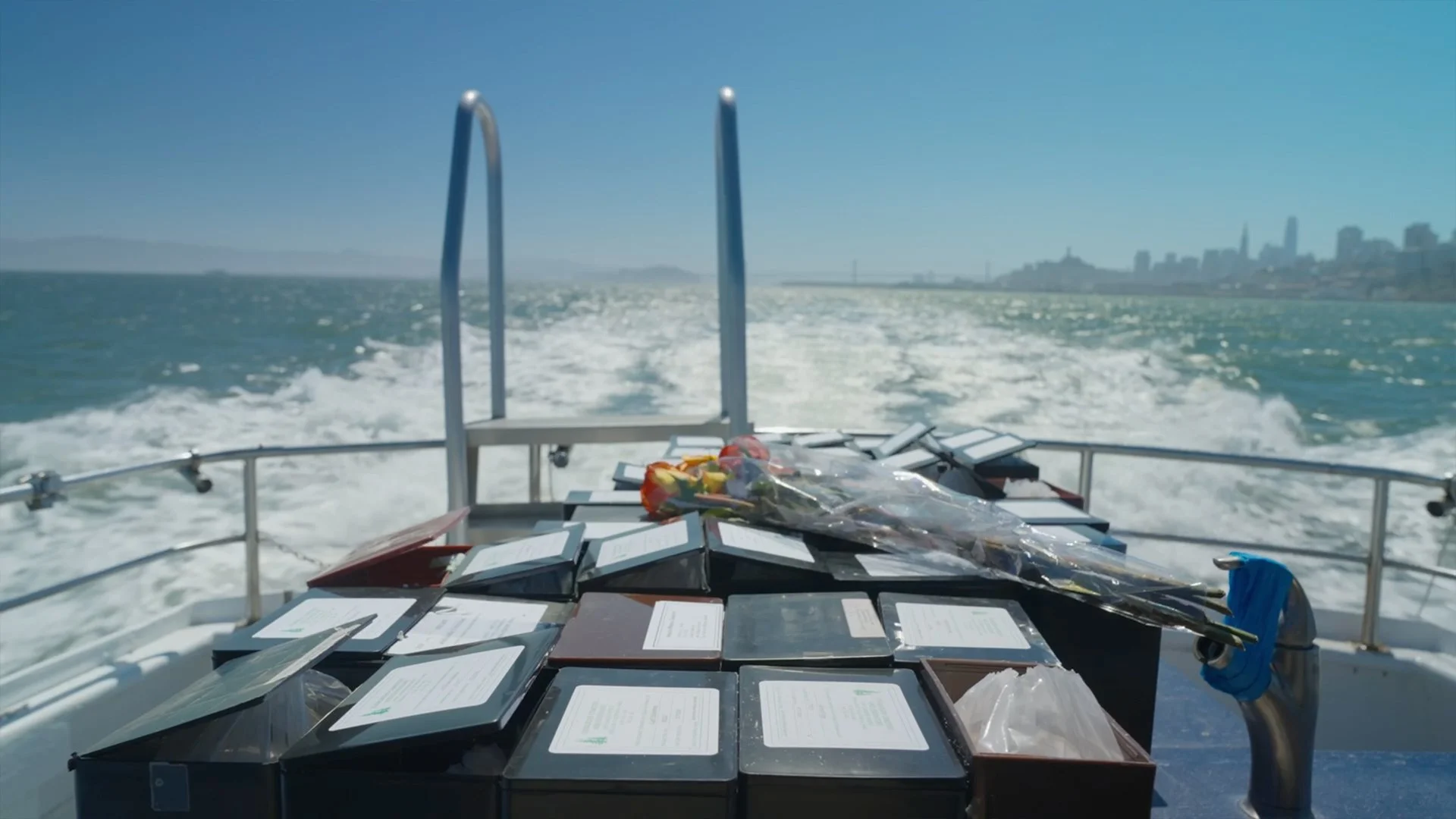
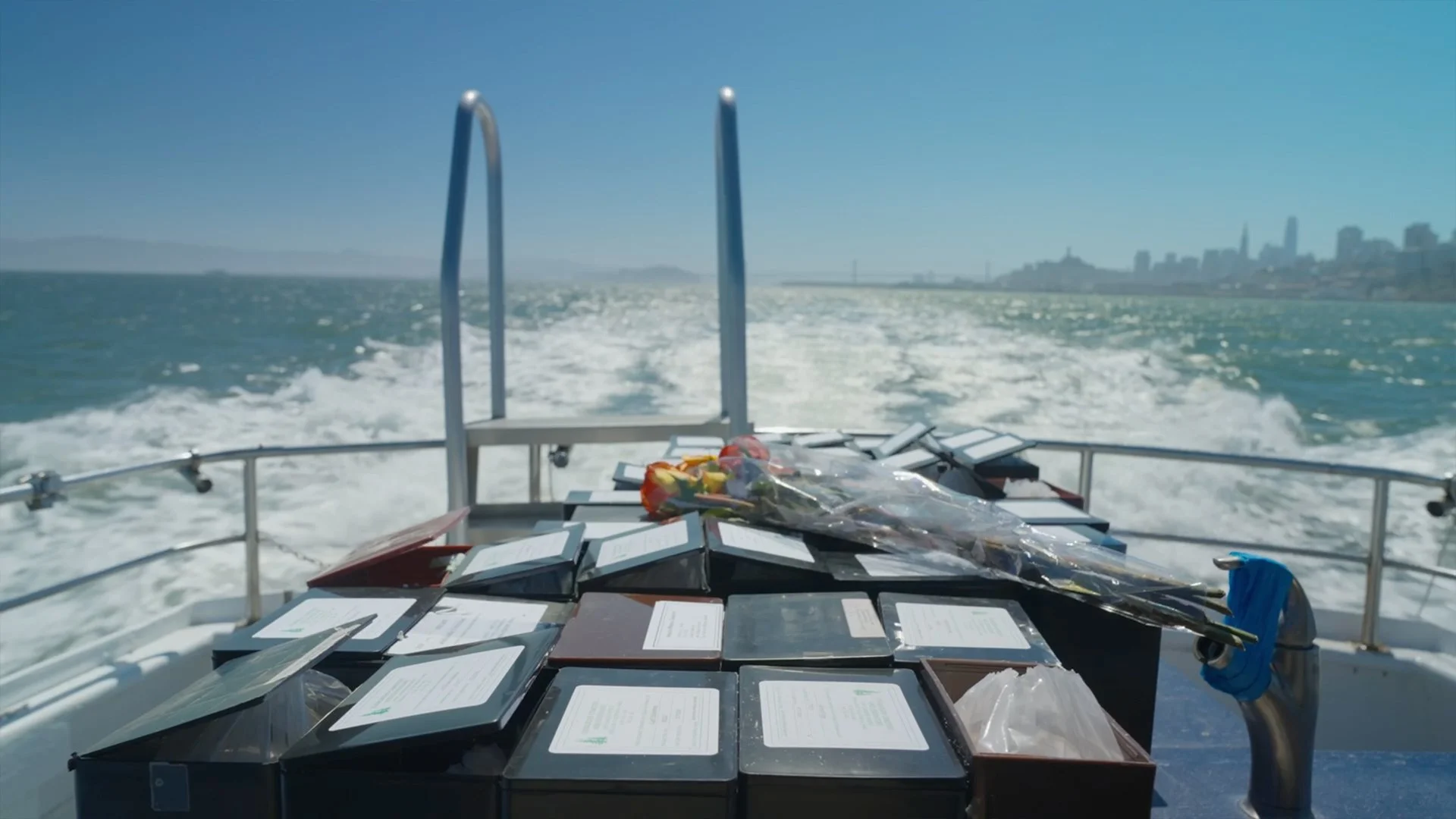
Adam Leao: That's definitely one of the best scenes. The documentary has about thirty, thirty-five characters — each one is a little three-to-five minute vignette. This one is Ruben Houston, the director of Colma Cremation and Funeral Home Services. Essentially, like you said, he's paid for by the city to receive the bodies of unclaimed individuals — sometimes elderly people, sometimes unknown people, but mostly victims of the opioid and fentanyl epidemic specifically, who have died on the streets with no family or friends to claim them. He gets their bodies, they cremate them, and they wait a year to see if anyone comes to claim them. After a year, they have — for lack of a better word — a disposal service. In San Francisco, it's actually a really beautiful operation where he takes them under the Golden Gate Bridge, out into the ocean, and pours them into the water. He also brings a priest who does a prayer, they play beautiful music, and they throw out flower petals with all of them.
I saw someone cover his story on Instagram with a little post, and that was one of those things where I reached out and said, can we come out? We have bigger, better cameras. We can really show your story to a bigger audience, and people can see it on bigger screens because it's such a beautiful moment. It kind of caps the fentanyl scene. We went out there and filmed him for an afternoon and yeah, it was intense. We went out on a fishing boat and right when you get to the Golden Gate Bridge, it starts getting choppy. There were about ten of us on the boat and about thirty-five to forty cremated remains — we kind of joked that there were forty souls on board. People were getting seasick. It was intense, but also very beautiful. He doesn't get paid to do the prayer service and the flowers — that's something he does on his own, and it speaks to his character and how he wants to honor these people. Considering a lot of them died from fentanyl overdoses or addiction or some other really sad ending to their life, this is actually a beautiful final note on their song.
JJ Smith, the Tenderloin & Narcan
Hugh Leeman: This is very touching, and it hits at this darker element of San Francisco — and frankly, of the United States and perhaps globally — with this epidemic. But also, like you say, it shows something very beautiful. There are several scenes that wind their way throughout the documentary, and one features a gentleman deeply connected to the inner city and the Tenderloin neighborhood of San Francisco, working with people affected by the fentanyl and opioid epidemic. There's a particularly touching scene in which a woman is being resuscitated, and later there are interviews with her and the man that helps her. Can you talk about these people and how documenting this situation impacted your understanding of San Francisco?
Adam Leao: That's exactly what happened. You're talking about a character right before the last scene. His name is JJ Smith online, and he goes around the Tenderloin almost as a street journalist — but he's much more than that because he follows up with people weekly. He gets them showers, gets them food. He wants them to tell him their story, on or off camera. If they're willing, he'll share it online, primarily on X but also on Instagram. He has, at this point, probably fifty to one hundred stories of people he's met and their addiction journeys. The one in the film is a woman he knows — she's overdosing, and you get to see him ride up to her on his scooter as it's happening and help administer Narcan. I didn't even know about Narcan until I started looking into the fentanyl epidemic.
Hugh Leeman: Can you give a bit of context to what Narcan is for people who are listening?
Adam Leao: Narcan is basically a recovery drug for when you're overdosing. I don't understand the full science behind it, but in this scene the woman is overdosing from fentanyl and they put these small Narcan bottles up her nose. It's something between a smelling salt and a liquid that kind of wakes you up from a deep slumber or an overdose. You still have to go to the hospital after, but it prevents you from dying — from your muscles relaxing too far or however that overdose system works. It's administered all over. In the documentary there's an EMT who says they administer it thirty to forty times a day, back in 2024.
Hugh Leeman: So go back to this — JJ is on a scooter, he rides up, he sees the overdose taking place and they administer Narcan.
Adam Leao: Yes. The woman wakes up and then about two to three weeks later, JJ is interviewing her again in his deli — which is another thing he started. He shows her the video of her overdosing on an iPad and gets her reaction. He does this with a lot of people online. She's a very sweet woman, grew up in the Bay Area. But to see yourself overdose, I think, is a big wake-up call. There's another one he posted on X where this guy is kind of laughing about his overdose — oh yeah, that happened a few weeks ago — and then JJ shows him the video and the guy totally changes his tune and gets really serious and sad. JJ is honestly doing his own documentary and journalistic endeavor. He also has a beautiful voice and a beautiful story that ties him to the Tenderloin and to San Francisco. I think his voice is probably one of the most powerful in the piece.
Hugh Leeman: So JJ is going out and doing this, and he also has a deli?
Adam Leao: Yeah. At the end of the documentary — and this is a bummer because there are a lot of people I'd love to follow up on — he opened a deli in the Tenderloin called Tenderloin Deli and Connect. His goal is to help people eat, but he also feeds a lot of people for free — sandwiches, hot dogs, ramen. The connect part is that you can come in, charge your phone. He's really big into getting people to call their family members. He has a whole series of videos where he gets family members' phone numbers, then meets the person on the street and says, do you want to call your brother? Do you want to call your mom? And they say, I don't have a phone, I don't know their number. He says, I have a phone. Here's their number. And then they call. The deli is a place where people can come, do that, and feel safe and recharge. It did have a big flood this past December, which was really sad — he was raising money to fix it up, and that's on our website, sanfranciscorising.com. When it comes to characters in the Tenderloin who are picking up the community and sharing their stories, I don't think anyone's better than JJ.
Earning Trust on Camera
Hugh Leeman: That's powerful. Just you saying that hit me with some emotion — this idea of calling the family member and such. With these deeply intimate portraits that you record, how do you earn the kind of trust that allows everyday people to truly be themselves once the camera comes on and that red light starts recording?
Adam Leao: That's such a good question, and it's a learning process. The first few interviews I was so bad — I would just ask someone on the street or at the beach, can we interview you, we're making a documentary, can you sign this release form, let's go. And then they would get nervous and not know what to do. Over time, for the main interviews, I would reach out to the person or be introduced to them generally over email, then typically do a phone call and explain the project a bit more. I made a trailer, and the people involved were typically interesting people who were already a little bit open to sharing.
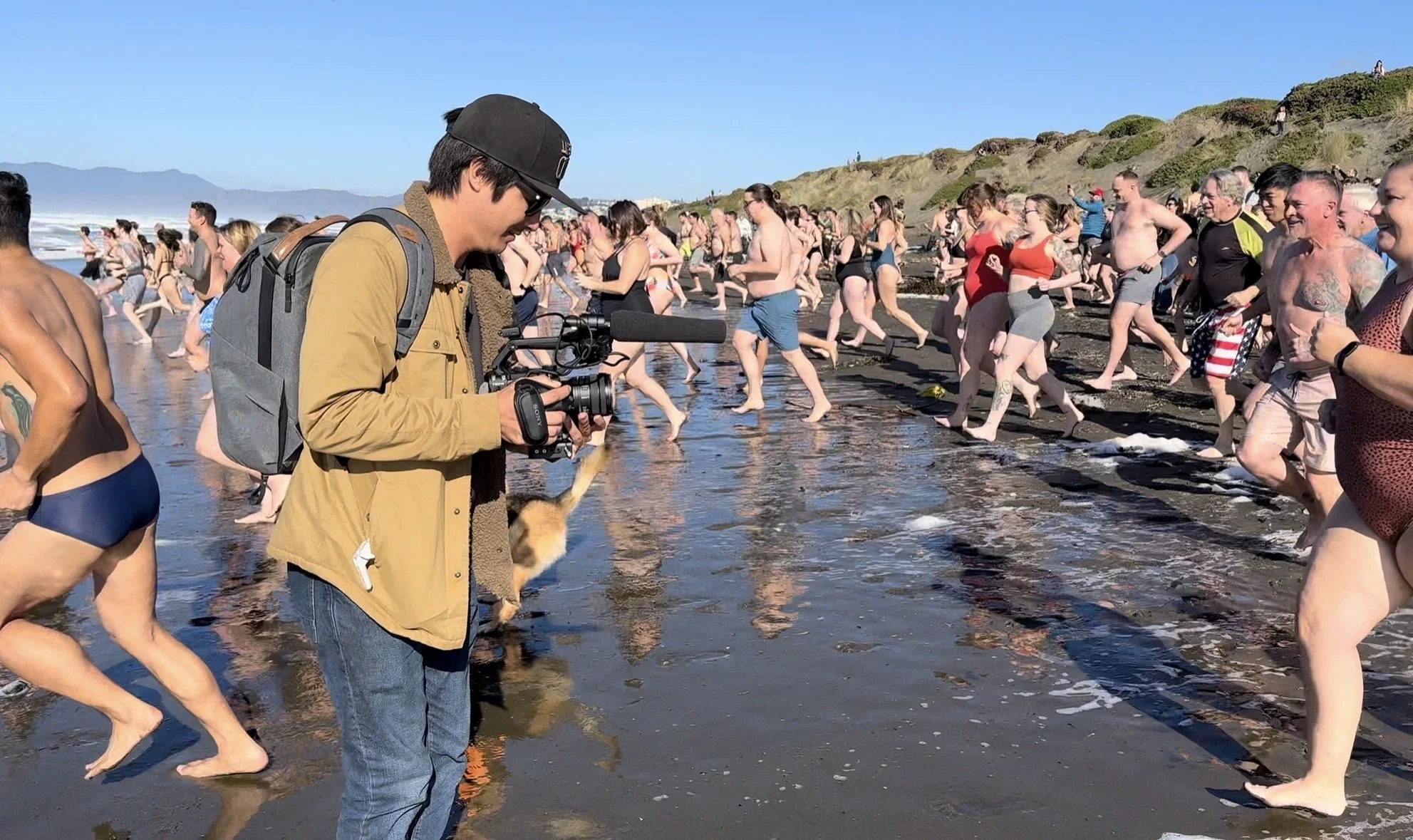
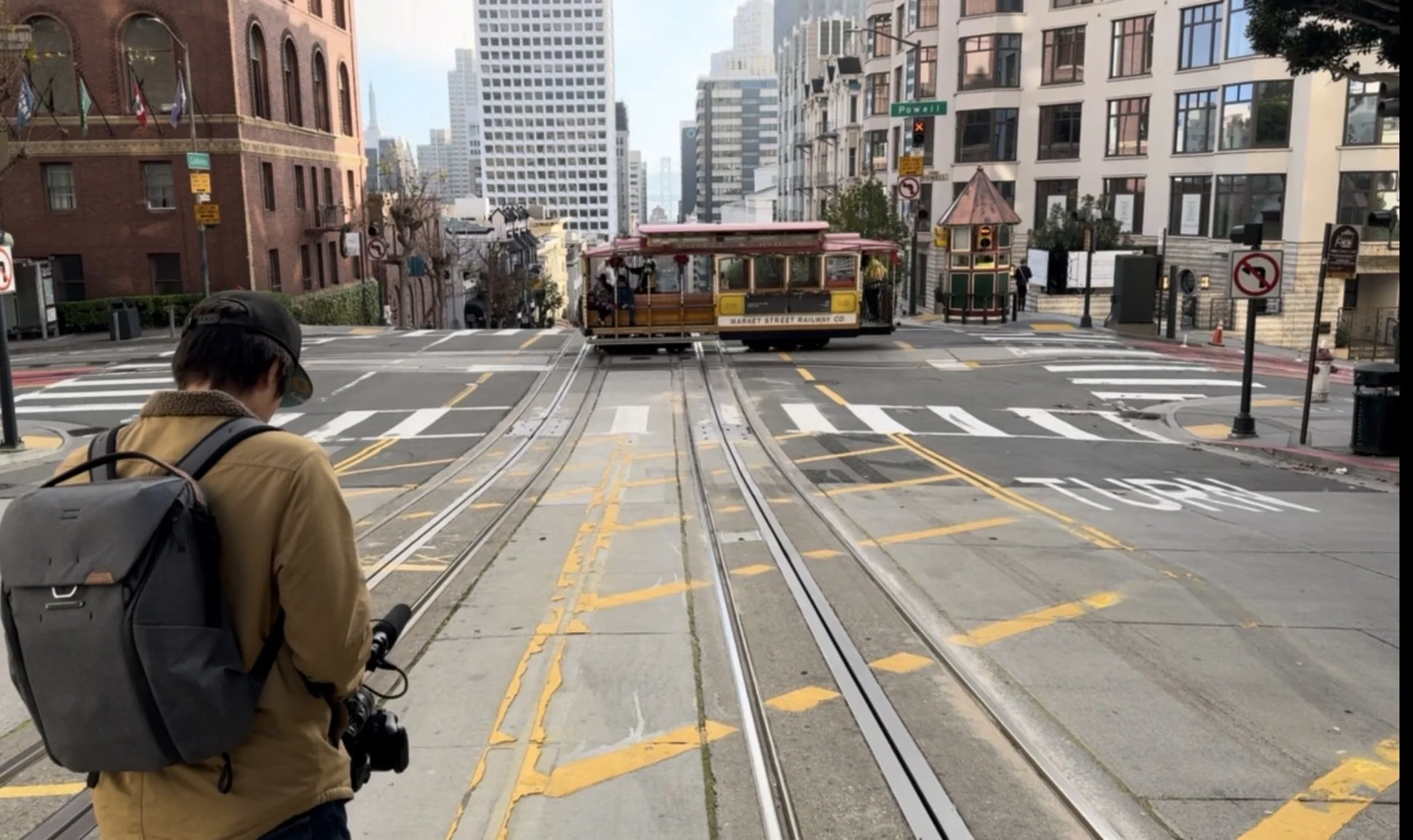
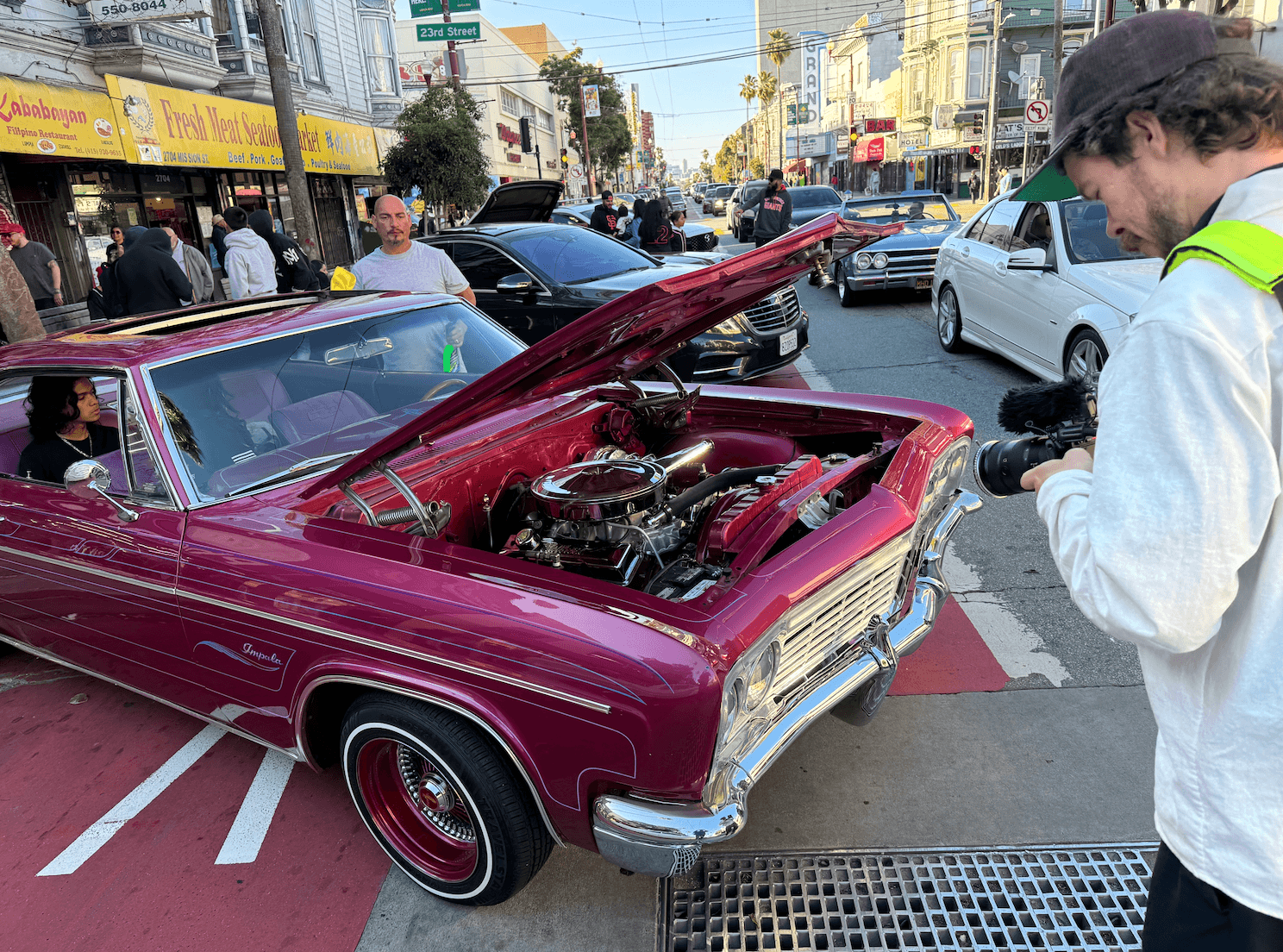
The main thing was just making people comfortable. We had a big Sony camera, a medium Sony camera, and a small Sony camera — they all shoot beautifully, but the big one goes on someone's shoulder with all these wires and it just looks intense. People got nervous in front of it. The medium-sized camera is almost like a DSLR, and people seemed more comfortable. Towards the second half of the project, we pretty much only shot with that one. Even at events, it allowed us to talk to people in a bar or backstage without making them feel like a big production setup was happening.
Hugh Leeman: What's the system? I like this.
Adam Leao: Oh man, I don't even know if I remember it anymore — most of this happened almost two years ago. I even had to watch clips again today to try and trigger more memories. I think it definitely involved doing my research, asking them to introduce themselves, and I typically had some sort of joke ready — or maybe even interrupt the first question just to shake things off and loosen everyone up. And if someone gave a good answer, I was really open to giving them a high five or a fist bump and kind of breaking the wall for a second — just reminding everyone we're having a conversation and it's not so formal.
Filming the Mayor: London Breed & the Phoenix Story
Hugh Leeman: The people you've just mentioned are one end of the spectrum. The other end, in some regards, is the then-mayor that you interview. You have Mayor London Breed on camera — she's in a highly contested reelection campaign, going through a lot. She ultimately loses. How did you manage to connect with someone that busy, and how do the ideas she shares on camera connect to the larger narrative of what was going on in San Francisco?
Adam Leao: Good point. When we started the project, I really just felt like San Francisco was doing better and coming out of a bad place, and I wanted to show people that — show these characters and places of beauty not being shown in the news. We started with a coffee shop, the Polar Plunge on January first, my hair salon lady, close friends. At the time, if you had said you're going to interview the mayor for this project, it would have been a moonshot.
But by the end of the year, we had been growing, meeting cooler and cooler people, going deeper into these pockets. Her name had surfaced a few times — especially around the theme of hope for the city. We got in touch with her social media manager and he said she was interested, but then it kind of died off. I think because there was no real benefit for her to do an interview with us — a documentary coming out a year and a half later. She didn't know who we were.
So it died off, and then she lost. We reached back out, and this was another thing throughout the process — incentivizing people to be a part of the project. I kind of shifted her role from running for mayor to: you just wrapped up your job as mayor, you're moving on after six years, do you want to do an interview about your appreciation for the city and your time there? Pitched it that way to her social media manager and they were down.
We showed up — just me and one cinematographer, Allen, both a little more dressed up than we had been the whole project. She came in a bit guarded, which makes sense. But after I told her we had filmed her at the Chinese New Year parade and at this pride flag ceremony and a few other events, she really opened up. She told her own story — London Breed grew up in the projects of San Francisco. She had brothers and sisters who had been to jail, who had drug issues. For her to end up as mayor was so unlikely. She very much had her own legend of rising up. Whether or not you agree with her politically, she definitely has a unique story to tell. Her scene is mostly her appreciation for the city and her hopes for the future.
Casting a City: How Characters Were Found
Hugh Leeman: It's beautiful — in watching the documentary, you see her story and all that's going on in her life and in the city at that moment. You're in the mayor's office, and then you've got JJ on the street, and there's that one scene where there's a woman literally on the threshold of death. How did you pick the characters you interviewed? How did that process go?
Adam Leao: It's wild. The way it's edited is a bit of an acid trip flying through the city — different areas, different people, all in one year. The way we picked characters was kind of like following the omens from the universe. I didn't know it was going to be a time capsule of 2024 to start — we just started filming January first, 2024. We kept meeting people and then they would introduce us to a friend who's doing something cool — who's a photographer on the Golden Gate Bridge, who's there seven days a week for six years and no one's gone up and filmed him. So we'd go do that. And then he'd introduce us to someone else, and one of them is busy but knows someone who might be cool for the project. It came very organically.
It would be tricky though, because sometimes someone would say, I have five people you need to meet, and we already had three or four planned. You have to feel out whose story is interesting, and whose story is visual — that was really important to me. People working on the bridge, artists, a music event, going to the ocean. Another big thing was showing the beauty of San Francisco even when that means the center of the Tenderloin — showing it visually as well as interviewing the people who are part of it.
Separating Self from Story
Hugh Leeman: In watching the documentary, I had a brief interview with you in this on an unrelated project and there was something beautiful about going back to that — thinking about what do I want to share, what do I want to have remembered? You had this insight face to face, looking at London Breed sitting at the threshold of a very big change in her life, just having lost this election, thinking about what she wants to be remembered for. When you're working this close to people and this deeply connected to San Francisco — you've grown up around here — how do you separate your own beliefs and affections from the story you're capturing?
Adam Leao: That's a really good question, and I think every artist probably deals with that — especially when you're doing a documentary about a city and all its people. You're doing interviews and they give you answers, some politically charged, some not. You have to choose four or five sentences of their entire hour-long interview to create a little scene. What do you choose?
I tried to pull out my own biases and stay very centered and show as many sides of each coin as possible, with that throughline of hope, but also allowing people to state their problems and talk about issues. Not to flip the script on the interview, but with you — we hung out for a day, we interviewed you in the alley. You told multiple stories, really great ones. About moving to San Francisco, about your art project with the QR codes, about the classes you teach. I had to figure out which one to put in for your scene. In the end, the one I went with was your art project where you would paint some of the people of the Tenderloin — especially the homeless — put up posters with a QR code where people could scan it, buy a t-shirt with the print, and that money goes to the person. That story just fit in really well after the Tenderloin scene and the last third of the film about what people are doing to make the city better. But how did you feel — you did that whole interview and then you just see that one snippet come out?
Hugh Leeman: Thanks for asking. It's really interesting. Beforehand, I remember thinking, what do I want to tell, what is the story here? And I came up with all these different ideas. Generally speaking, I'm a pretty quiet person, a listener — I ask a lot of questions. But deep down I'm a storyteller, and that day in the alley I just kept going and going. We talked about a project in the Philippines, the Spanish-speaking project with Latin American immigrants, the Tenderloin project using AI, and so on. There was something really cathartic about hearing one's own thoughts about one's life out loud. And I think for other people who maybe didn't say it, there was something really beautiful where you bestow this gift upon people — where they get to think about who they are, what they did, what their actions are. And I remember watching it for the first time on a big screen in the theater and thinking that it was — you did a great job editing it. It was very right that it be about San Francisco and the Tenderloin and the gritty areas and the people I had collaborated with for five years on that project. And when I'm standing there, one of the things is you shot not just my scene but everything on location — no special setup, no special lighting. It seems like there are incredible challenges in that, but also an incredible opportunity. What was gained by doing it that way? What was perhaps lost?
Adam Leao: With corporate marketing, you typically have full lighting, full audio, a soundstage — it can create really beautiful images and videos. But when you're going for authenticity and realism in a documentary, sometimes all of that makes it feel a bit fake and staged. It also limits your access. If you want to interview someone in the back of a bar or on the Bay Bridge, you can't always bring that much equipment, especially if you want to make the person comfortable.
We actually shot one interview with two cameras, tripods, and lights in the first week. Then we shot a few other interviews outside the coffee shop, just holding the camera with them miked up. Seeing the difference between those two, I was like, this is the way we need to go. No tripods, no lights. Generally we should be filming outside in a cool spot. What that allowed for was getting into a lot more intimate scenarios. What made it difficult is lighting is trickier — you have to find a really cool corner, and sound can be harder, wind and all these things. We didn't shoot anything in a studio and didn't really use any tripods except for that first scene. What you get is a really realistic view of what it would be like to capture San Francisco as an individual with a camera. I actually think those challenges — where the camera jiggles a bit, the lighting is off — those actually make it more of a documentary. Looking back in a few years, those will be the parts that are really cool.
Jake Ricker & the Golden Gate Bridge
Hugh Leeman: You mentioned something really interesting contextualizing one of the other characters. He's the man photographing the Golden Gate Bridge day after day for years. On the surface, there's perhaps nothing more iconic to San Francisco — and in many ways to the West of the United States — than the Golden Gate Bridge. There's a tourist appeal to it on a visual level, but there's a much darker underbelly to it, and you touch on both at the same time. Can you tell some of his story?
Adam Leao: His name is Jake Ricker and he's a photographer. He was out there for almost seven years — I believe from 2018 to the end of 2024. He actually stopped the year we were filming after getting into a bit of a tiff with bridge control. They were installing suicide nets for the prior few years and just finishing them in 2024 — so when you jump, you land in the net about fifty feet below. He was thinking of wrapping up his project at the end of that anyway. But he's just out there every day, from around seven-thirty in the morning to six in the evening, seven days a week. I think he had missed four days in six years when we filmed. Some of that was to go to doctor's appointments. He did have a girlfriend, which he still has — I've met her and she's lovely. I always thought that was funny, speaking of spouses letting you do crazy projects.
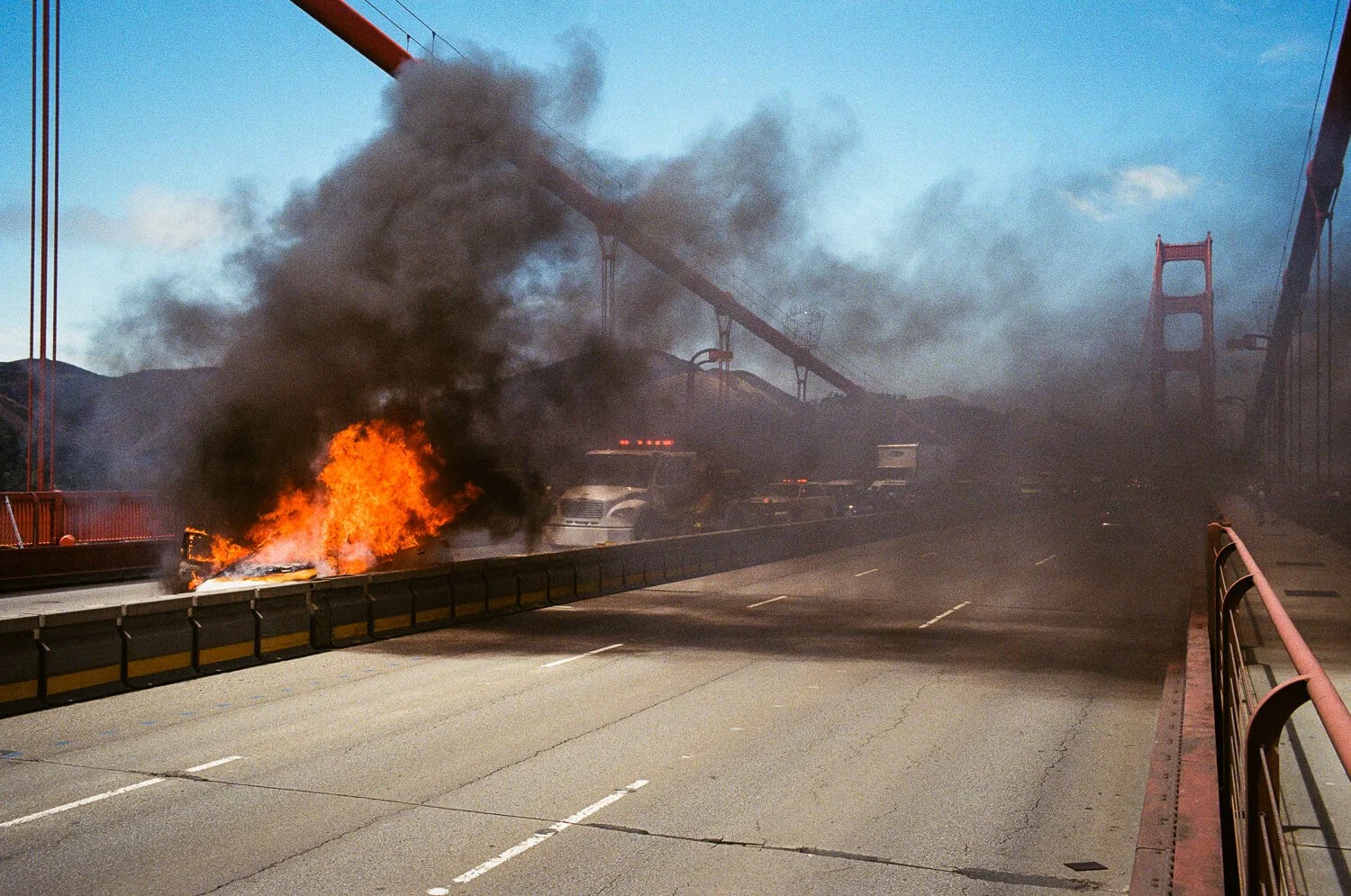
He shoots film, so he has so many photos still to develop. He's made a few books, and they're iconic — there have even been copycat people trying to do similar things on the Golden Gate Bridge. He has all these incredible photos of protests, car crashes, people getting engaged, people sitting on the ledge contemplating their life. Literally where someone is getting engaged, maybe a week later, same spot — someone is potentially taking their life. We show a slideshow of his photos after his scene, and I just wanted to give his photos time to breathe. There are a lot of artists and musicians featured in the documentary, so even the song playing during his scene is a local musician named Jamie, whose song touches on the highs and lows of city life. We arranged the photos around that. It's a little story within the story itself.
The Premiere, the Crimson Fist & Seeing It on the Big Screen
Hugh Leeman: That's impressive. And there's something very beautiful about how you move from the light — the fireworks, the countdown to New Year's, people running into the ocean, some nude — to these much darker elements. You don't gloss over those. I want to hear about your internal landscape during editing. You're buried in phenomenal amounts of footage, making these hard cuts, surrounded by this project for months — and then you finally walk into a theater full of people, a huge screen, and suddenly it's all very public in front of so many people. What were you feeling?
Adam Leao: It was a lot of feelings. The making of this project was its own adventure and journey for me — I learned so many things. The premiere that you were at was definitely a moment where it felt complete. All the people involved, close family and friends coming together to see it. I was very nervous for people to see it. I didn't know how everyone was going to react. But I knew it had to be done — I had told a lot of people we were going to do a premiere around this time and people wanted to see it, wanted to see themselves. Everyone was so joyous and happy and appreciative. I'm kind of weird where everyone's clapping at the end and telling me they liked it, but to my wife I'm just going, did they really like it or are they just telling me that because what are you going to tell me at the premiere?
But I had a great time. And then another lesson I learned — that's not the actual end. Then there were names to fix in the credits, a few color issues. Even during it, I felt like it could have been louder in the theater. You're always still thinking about the performance and the project. But I look back on it now as a very special memory — we got to have the premiere at the Vogue Theater and everyone involved with the project got to be there. One of the best nights of the last few years for sure.
Hugh Leeman: It was beautiful. I remember walking into the theater and seeing a gentleman dressed up like a superhero. What is going on? And then about halfway into your documentary, he's a part of it. That's what makes San Francisco such a dynamic place — people like him.
Adam Leao: The Crimson Fist. It felt like this little Hollywood premiere of San Francisco — eclectic characters. My wife and the cinematographer and a few other people had seen the film five or six times, so we all knew you guys. We see you walk in the door and it's like, oh my god, that's him, oh my god, that's her. It was really fun.
The Phoenix Rising: How a City Flag Became a Film's Soul
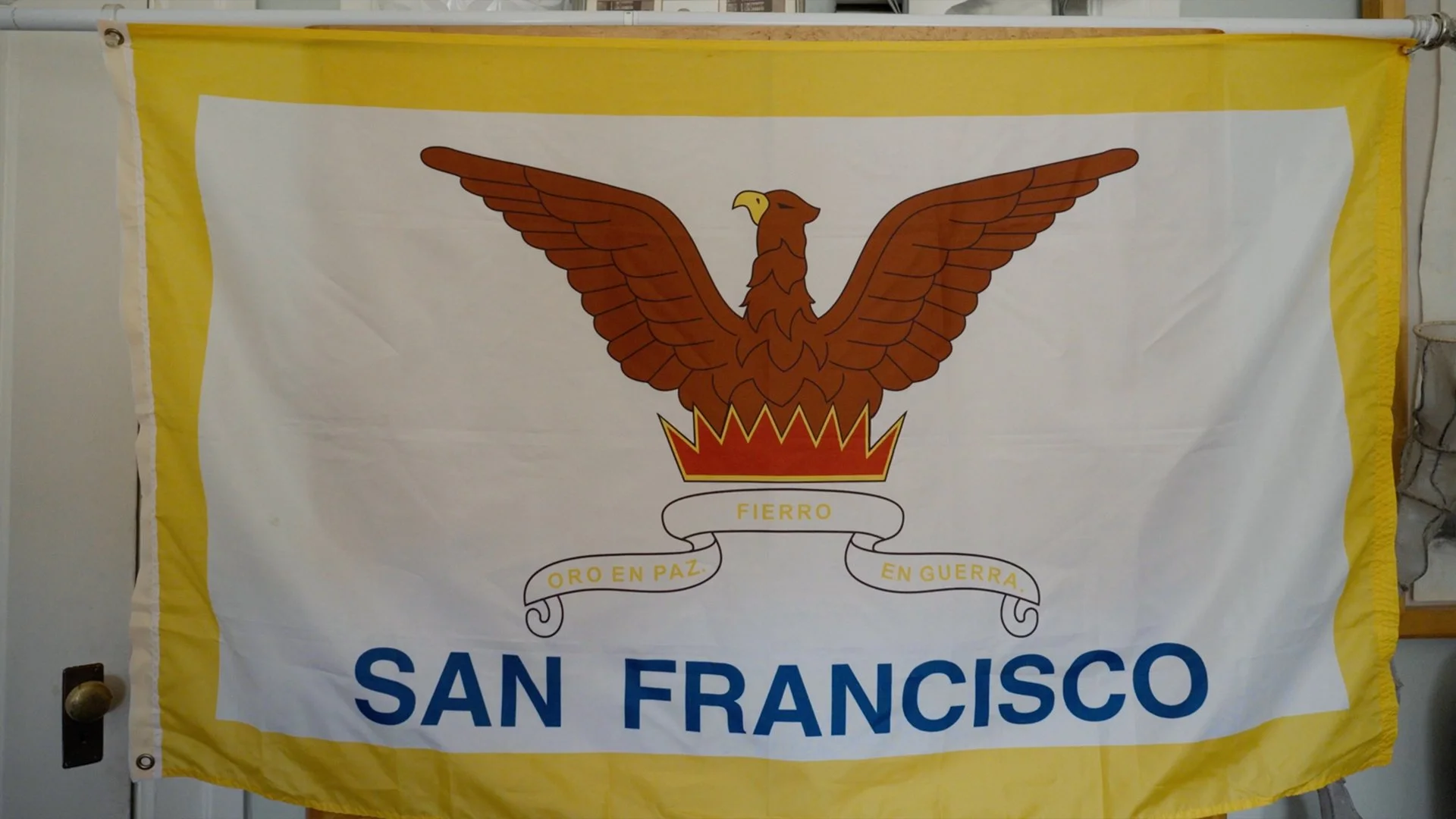
Hugh Leeman: You mentioned earlier the Phoenix Rising, in the context of London Breed. For context for people listening — the Phoenix is on the San Francisco city flag, and it becomes the central metaphor in your documentary, this idea of rising from the fire and the ashes. At what point in the process did the Phoenix Rising become a central theme?
Adam Leao: I think it was probably a few months before we started filming. I had initially thought of the idea in 2022. San Francisco felt to me like it was in a very dark place — a lot of businesses and restaurants had been shuttered from COVID and were having a hard time reopening, a lot of people had moved out, the tech boom had faded, and the fentanyl crisis was growing out of control. I was like, should I make a documentary? But it was kind of a sad theme. Then in 2023 it felt like things were getting a little better — people moving into new leases, starting new restaurants and businesses, coming together. That felt like, okay, maybe this is more enjoyable to capture and more entertaining to watch.
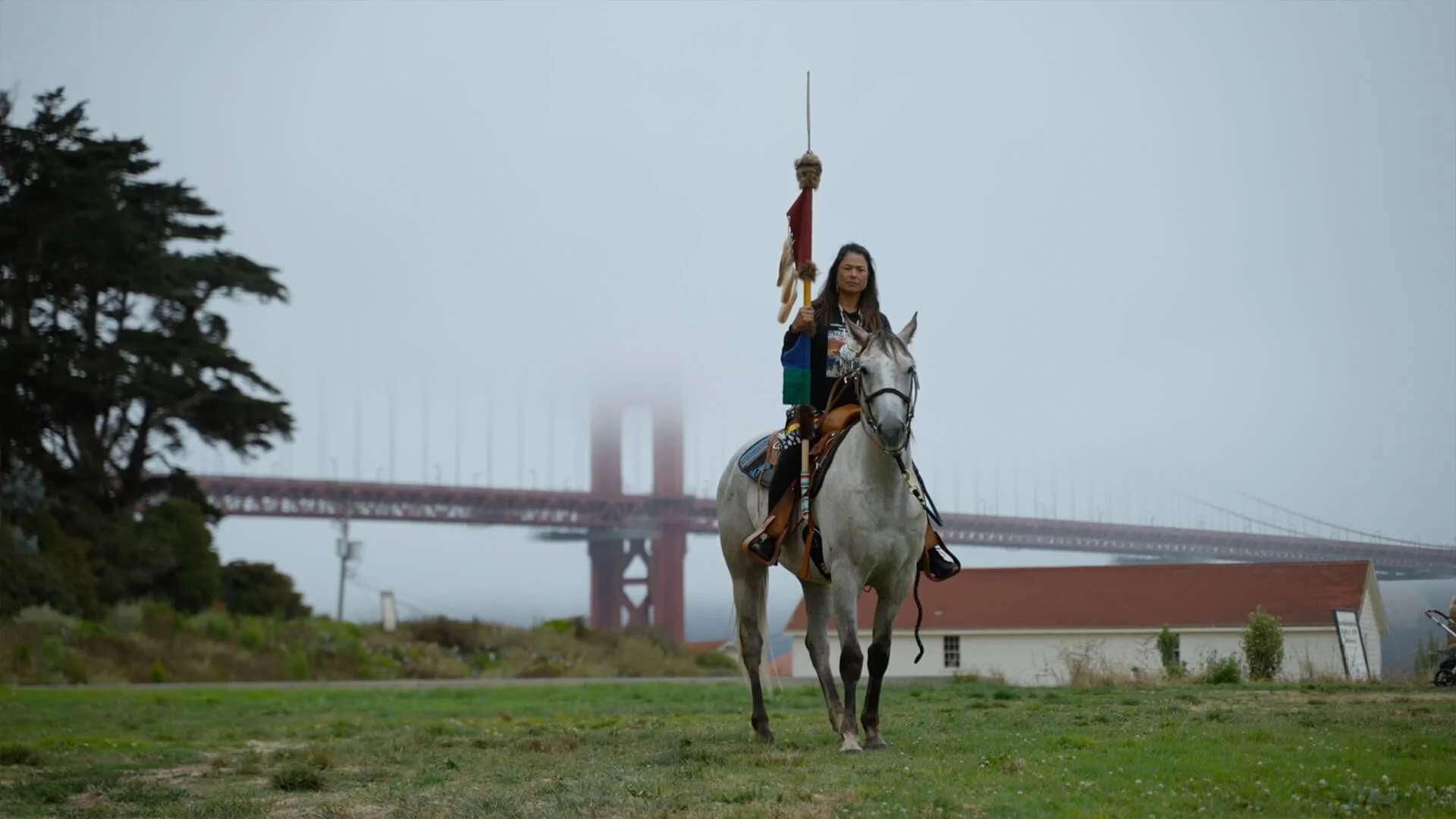
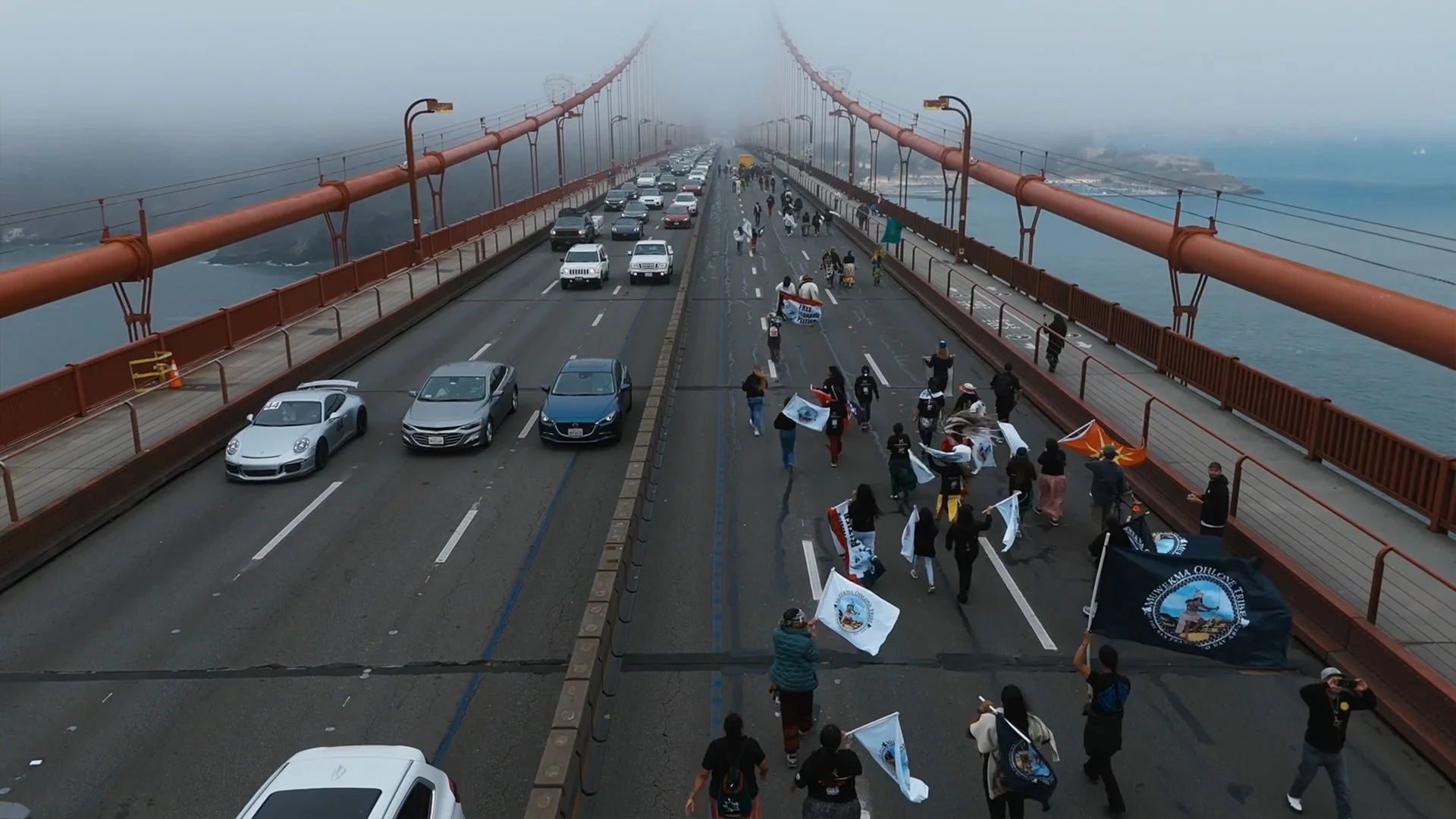
As I was looking into that, I was looking into the history of San Francisco. We also have a scene with the Muwekma Ohlone tribe, which I learned about in that process. I came across the flag and its symbolism — and I'm very into visuals and storytelling with symbolism. It looks like a chicken on the flag, honestly. It's a really poorly designed flag. But the symbolism behind the Phoenix Rising — after the 1906 earthquake and the fires after the Gold Rush — inspired this idea of rising from the flames. San Francisco historically has had these super highs and lows. I think a huge part of it is the geography. It's on this amazing piece of land — beautiful, European in the way the houses are built, but then you have a beach, the fog, the bridges. I just don't think it can die. It's too nice of a place. So even when the economy is tough, it always seems to rise again.
So in 2022, going into 2023, the world was really shitting on San Francisco, especially in the news. But that probably means it's going to make a comeback soon. When I saw that about the flag, I got inspired, and I think it spearheaded the theme for the whole project. I even found a guy who was designing a new flag that was more powerful visually — and he's in the piece as well.
A Time Capsule of Hope
Hugh Leeman: It's a beautiful element of the Phoenix rising. The film is now going out into the world — people are going to see this on Apple TV and streaming, seeing something that's clearly in the past from 2024 with some hindsight. How do you see the film and the Phoenix Rising metaphor now?
Adam Leao: It's so weird, because it feels like I just finished it a few months ago, but all the content was shot in 2024 and we're now doing this interview in April 2026. It is a time capsule, which I'm really happy about — I kind of decided on that about a third through the project because it almost gives it this forever feeling. In ten years you could look back at what San Francisco was like then.
Viewing the project now, done almost two years ago and coming out in 2026, has been really interesting. To me, it's felt like the city has been rising and getting better in a lot of ways. In some ways it's stayed the same, and in some ways it's gotten worse, but the overall perspective from outsiders — which is important — has definitely gotten better. And from the people who live there, the feeling of community and growth is something most people are feeling. Even things like the Super Bowl recently — a lot of people came and were saying San Francisco's amazing, and I'm like, thank god we said it was rising and it's rising. But then there'll be another event where something goes wrong with the fentanyl situation or a murder, and it seems like the city's going down again.
Overall I do feel like the city is heading in a better direction, and I think you kind of have to have that optimistic approach — for that and for life. I feel very happy that we took a chance on that occurring, that the city would rebound. And I'm feeling very optimistic that it's going to continue to do better.
Hugh Leeman: Adam, you made a beautiful film. It shows the uplifting, the beauty, the symbols of San Francisco and you showed the darker realities too, and that's what makes it so special. Thank you for making time to share. Adam, thank you.
Adam Leao: Thank you very much. And thanks for being a part of it.
